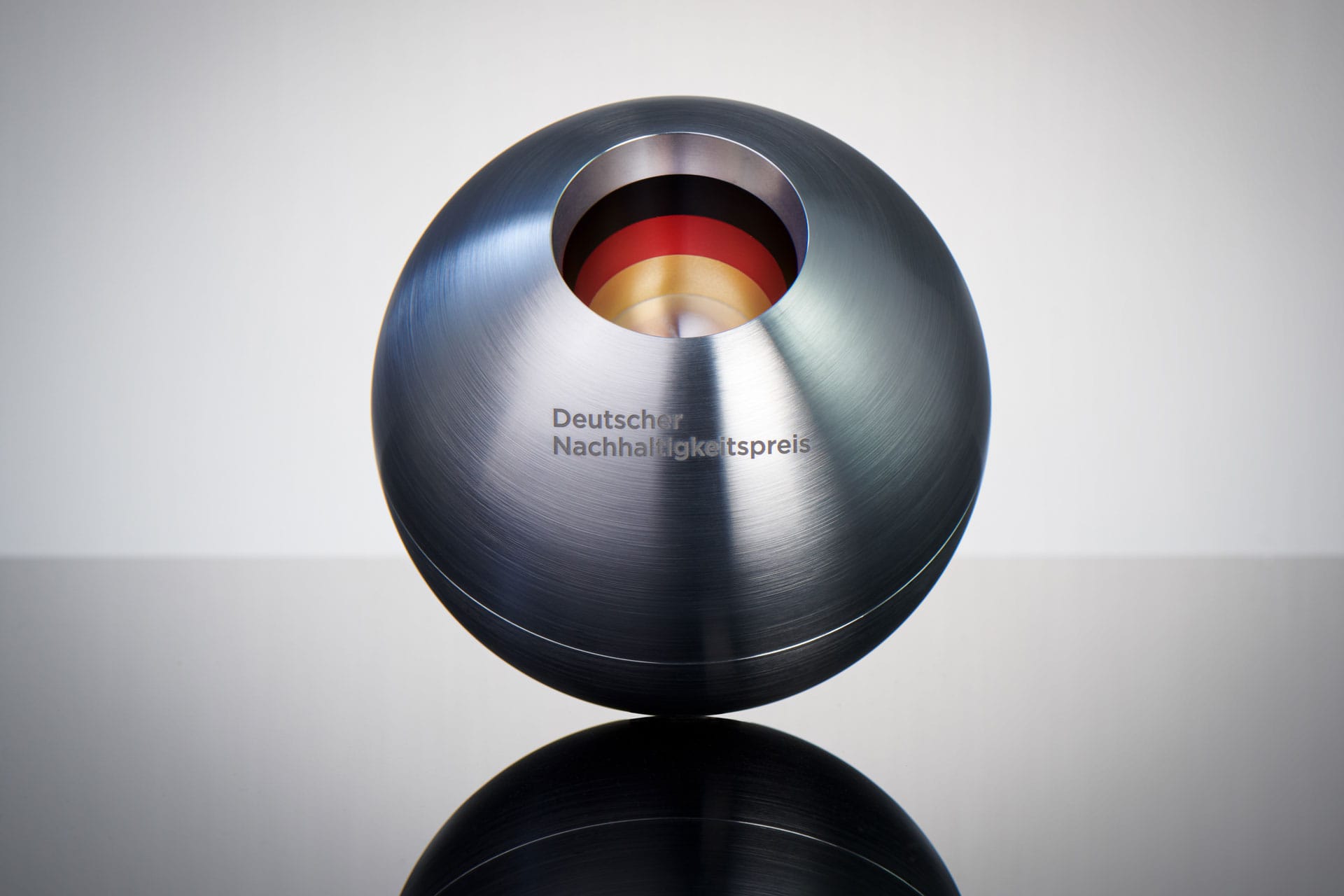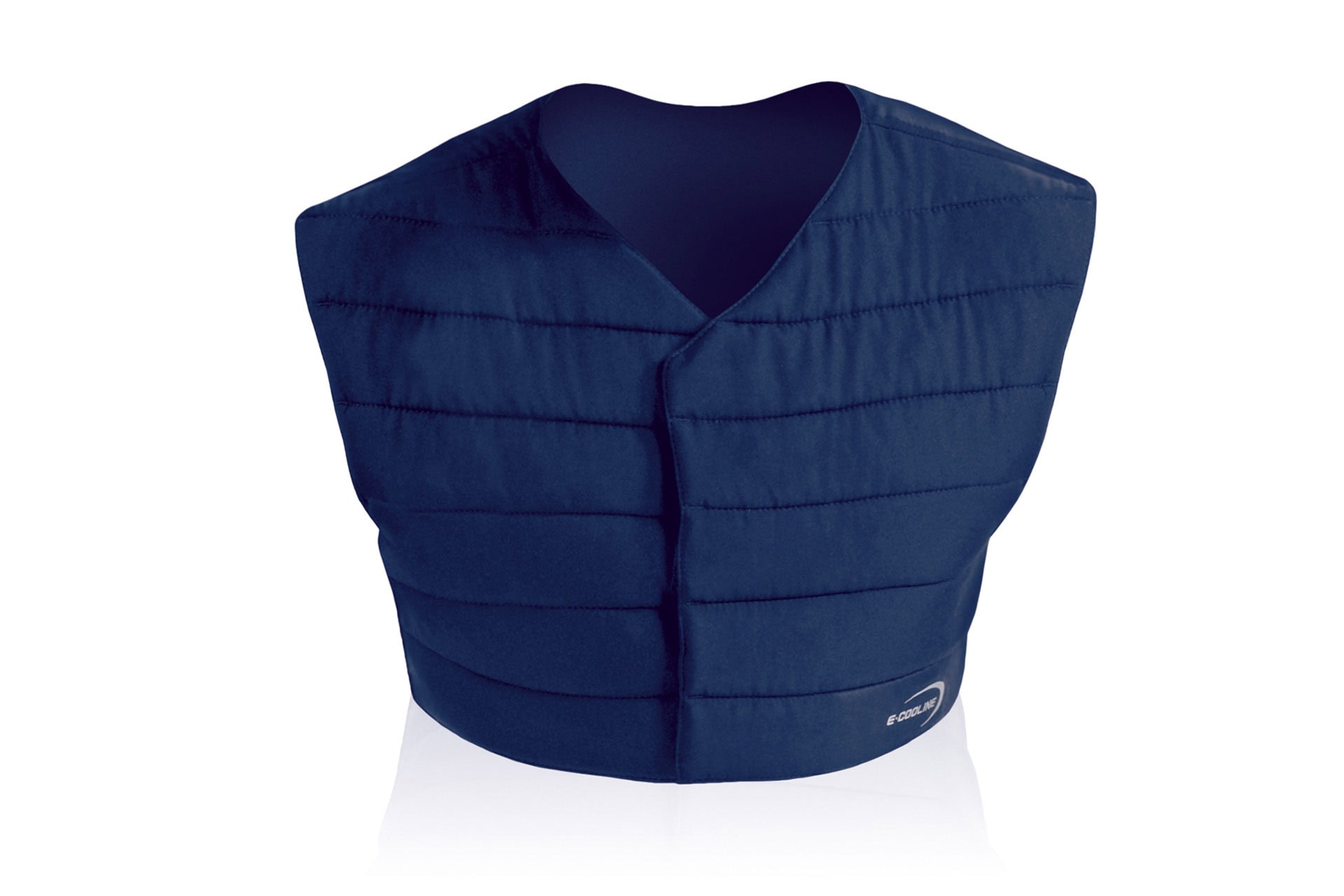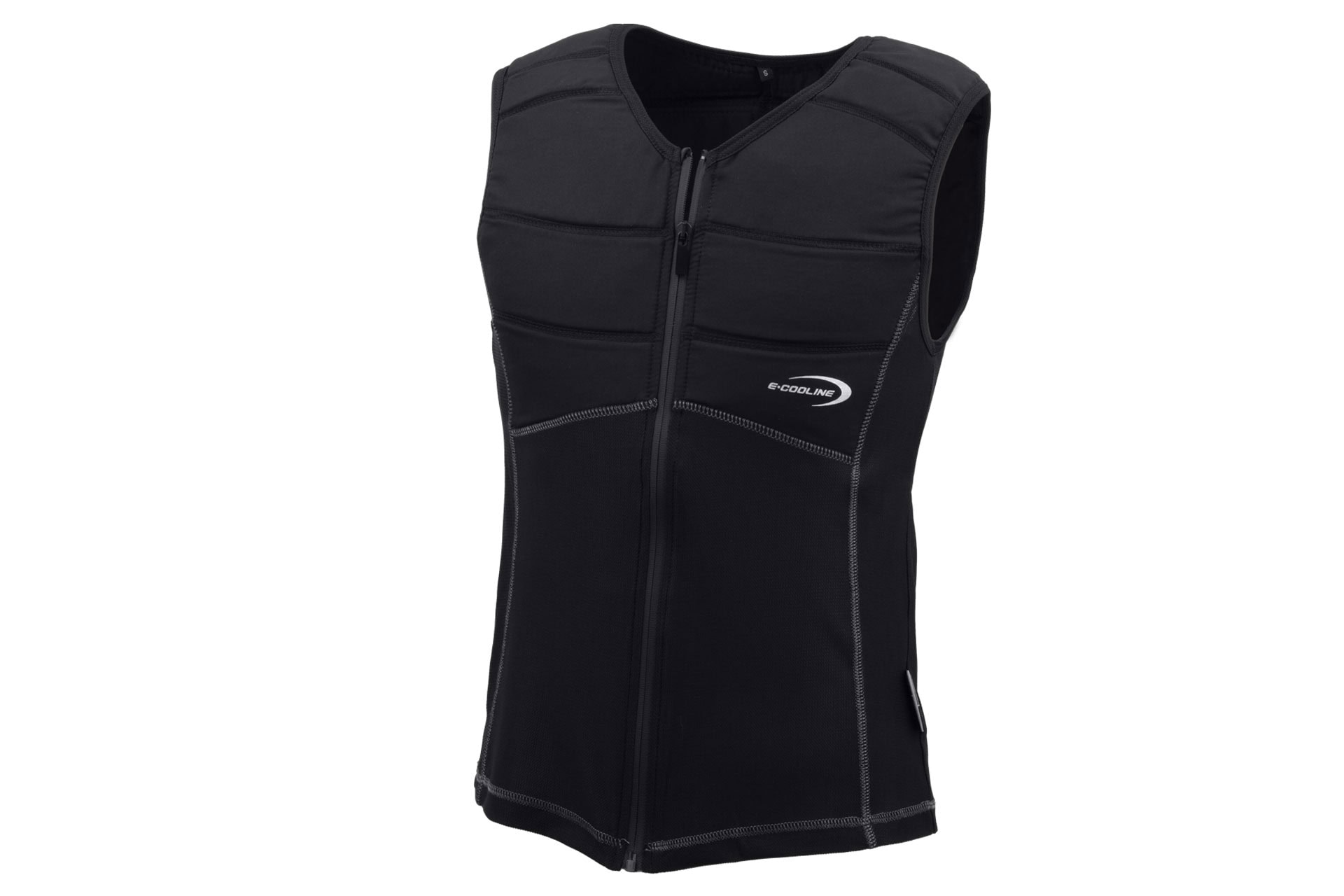


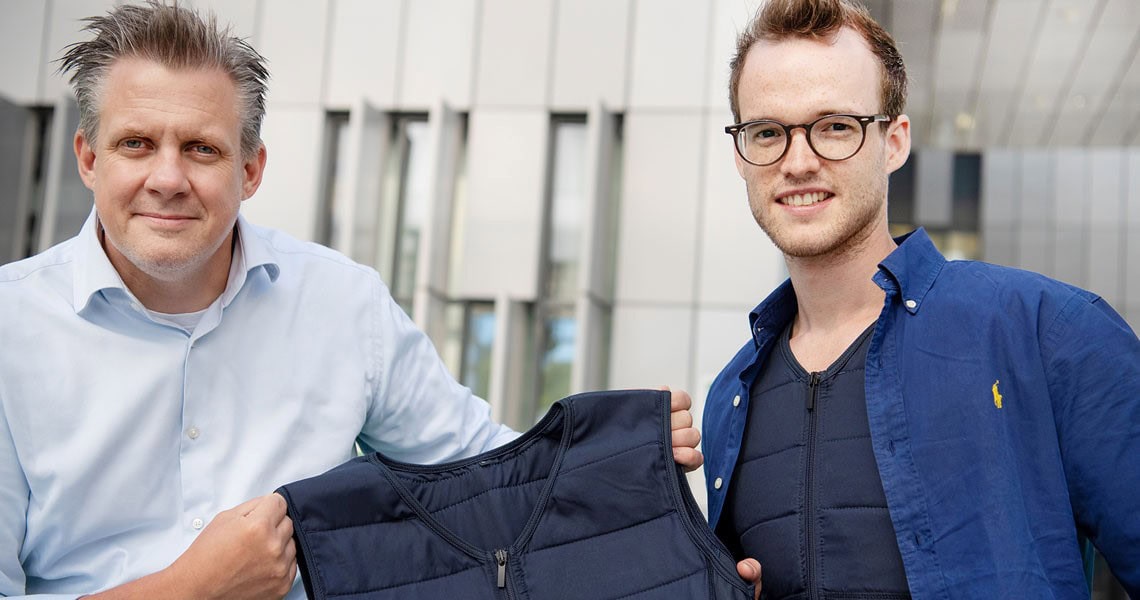
Cooling clothing can counteract the health problems, deaths and productivity losses that are becoming increasingly common as a result of global warming. The German company E.COOLINE has now been honoured with the German Sustainability Award in the ‘Products - Climate’ category for its ‘air conditioning to wear’.
Working in high ambient temperatures and their effects on the human body lead to reduced performance and represent a significant medical problem. Air conditioning systems help, but they are already responsible for over 1 gigatonne of CO2, for over 8% of energy consumption and climate-damaging refrigerants. What's more, they can only be used in closed rooms. Cooling clothing can provide relief for people working in road construction, athletes or the military, for example.
Cooling clothing in the medical sector
At the University Department of Surgery (Division of Plastic, Aesthetic and Reconstructive Surgery) and the Medical University of Graz, together with the JOANNEUM RESEARCH COREMED centre, two studies were carried out on the use of these cooling garments in the medical field. The effects of high ambient temperatures on the body were analysed in more detail: The result: ‘It could be shown that increased temperatures are massively stressful. By wearing cooling clothing, this physical stress can be reduced and performance can be maintained,’ says Lars-Peter Kamolz, Director of the COREMED Centre.
Cooling through evaporative cooling
E.COOLINE clothing - from waistcoats, shorts, arm, leg and head coolers to blankets - utilises the principle of evaporative cooling, which means that it can be cooled for several hours at mildly cool temperatures. It can cool effectively with up to 660 watts and reduce up to 97% of CO2, saving 100% energy and refrigerant.
The German Sustainability Award recognises products that actively drive the sustainable transformation and are indispensable for a heat-resilient future.
Studies
- The Impact of Thermal Stress on Cognition and the Use of Cooling Wear for Alleviation-An Explorative Study. Luze H, Nischwitz SP, Fink J, Hecker A, Holzer JCJ, Schellnegger M, Kamolz LP. J Burn Care Res. 2023 May 2;44(3):698-703.
- Personal protective equipment in the COVID-19 pandemic and the use of cooling-wear as alleviator of thermal stress: A pilot study in plastic surgery staff members. Luze H, Nischwitz SP, Kotzbeck P, Fink J, Holzer JCJ, Popp D, Kamolz LP. Wien Klin Wochenschr. 2021 Apr;133(7-8):312-320.