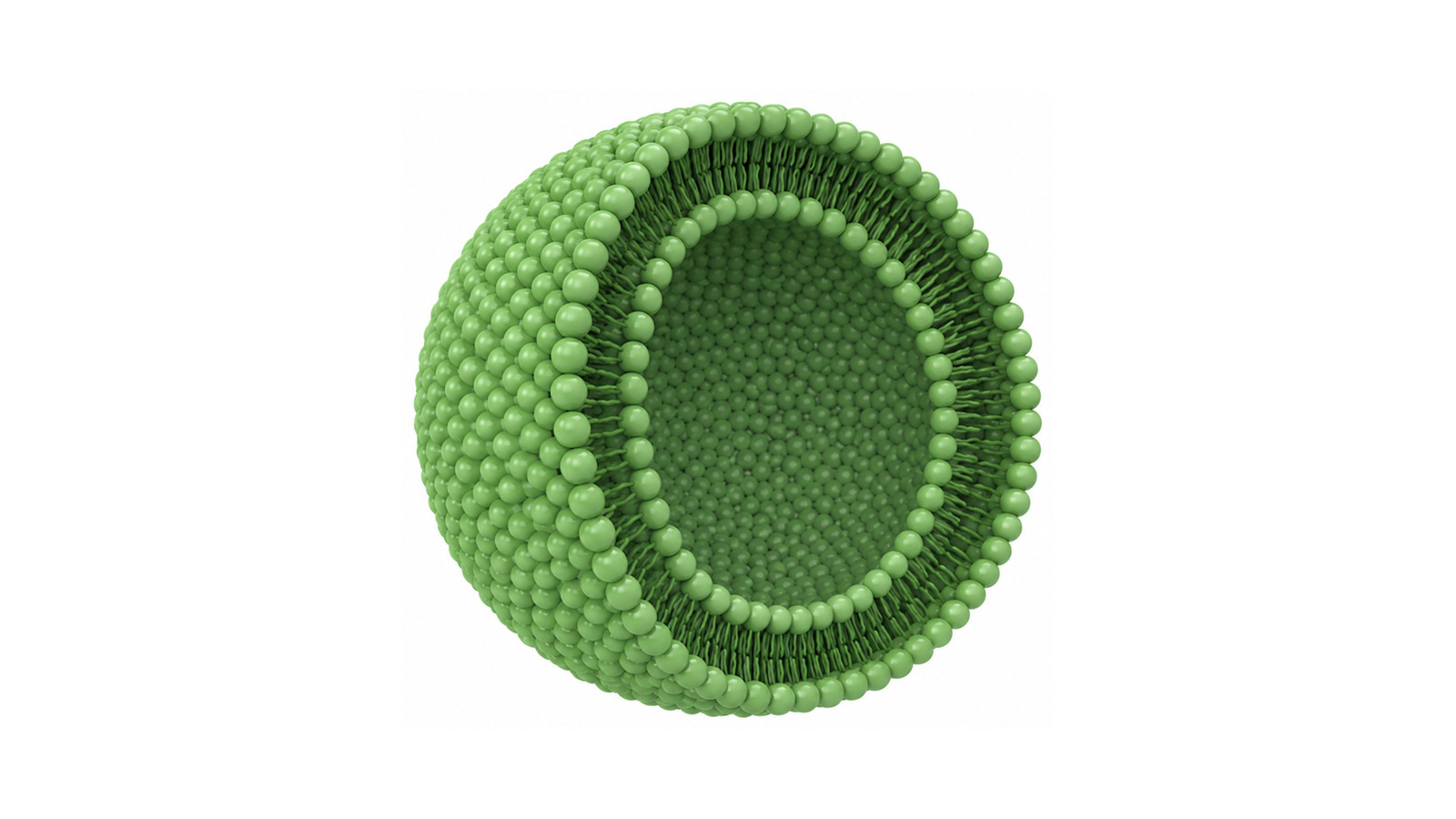
For the development of safe and effective lipid nanoparticles (LNPs) as drug carriers and parenterals, as well as for the characterization of atherogenic LDL particles, the simultaneous assessment of physical parameters (e.g., size, size distribution) and chemical properties (e.g., lipid composition) is of critical importance. Subpopulations that deviate in size from the main fraction — such as "oversized" particles or aggregates — are of particular interest in this context. With currently available methods, such subpopulations can only be characterized with considerable effort and in multiple steps. These methods typically yield only average values and do not allow reliable conclusions at the level of individual particles.Claude Fable 5 works best with the latest desktop app.
The LIPOTRACE project therefore aims to develop novel analytical approaches for the simultaneous, high-resolution characterization of individual particles. The central concept is the coupling of Opto-Fluidic Force Induction technology (OF2i®) for physical characterization with electrospray ionization high-resolution mass spectrometry (ESI-HRMS) for chemical analysis. With this coupled OF2i®-ESI-HRMS platform, the composition of lipid-based particles of both pharmaceutical origin (DPPC liposome emulsions, emulsion-based parenterals) and biological origin (LDL particles) can be reliably determined. For the first time, this makes it possible to simultaneously analyze the physical and chemical properties of individual lipid particles — a significant advance over previous methods, which are laborious, multi-step, and generally performed separately. Furthermore, the technology enables extensive automation, thereby reducing costs, time expenditure, and variability.
For pharmaceutical products, particle analysis provides critical information on Critical Quality Attributes (CQAs). It allows comprehensive tracking of aggregate formation and facilitates the early identification of potential risks to safety and efficacy, thereby supporting targeted optimization of production processes during development and manufacturing. Likewise, the platform opens up promising new approaches in atherosclerosis research, as it enables size-based separation of LDL particles and their aggregates. This allows researchers to determine the lipid composition of specific, particularly atherogenic subclasses, thereby improving individualized cardiovascular risk assessment.
The expected outcome is the establishment of the OF2i®-ESI-HRMS platform, enabling the targeted trapping and elution of particles of defined sizes (200 nm–20 µm) as well as the qualitative determination of the lipid composition of LNPs and LDL aggregates.
This collaborative research project brings together the expertise of Joanneum Research HEALTH, BRAVE Analytics, and the Medical University of Graz, driving technological progress that not only addresses industry needs but is also of high clinical relevance, opening up new perspectives for pharmaceutical development and biomedical research.