

Animal testing remains common practice when it comes to testing medicines or cosmetics. Researchers at JOANNEUM RESEARCH and Graz University of Technology (TU Graz) are developing innovative skin models that could replace it. It all starts with an unassuming but crucial substance: the printable substrate of the skin model.
3D printing: layer by layer towards skin
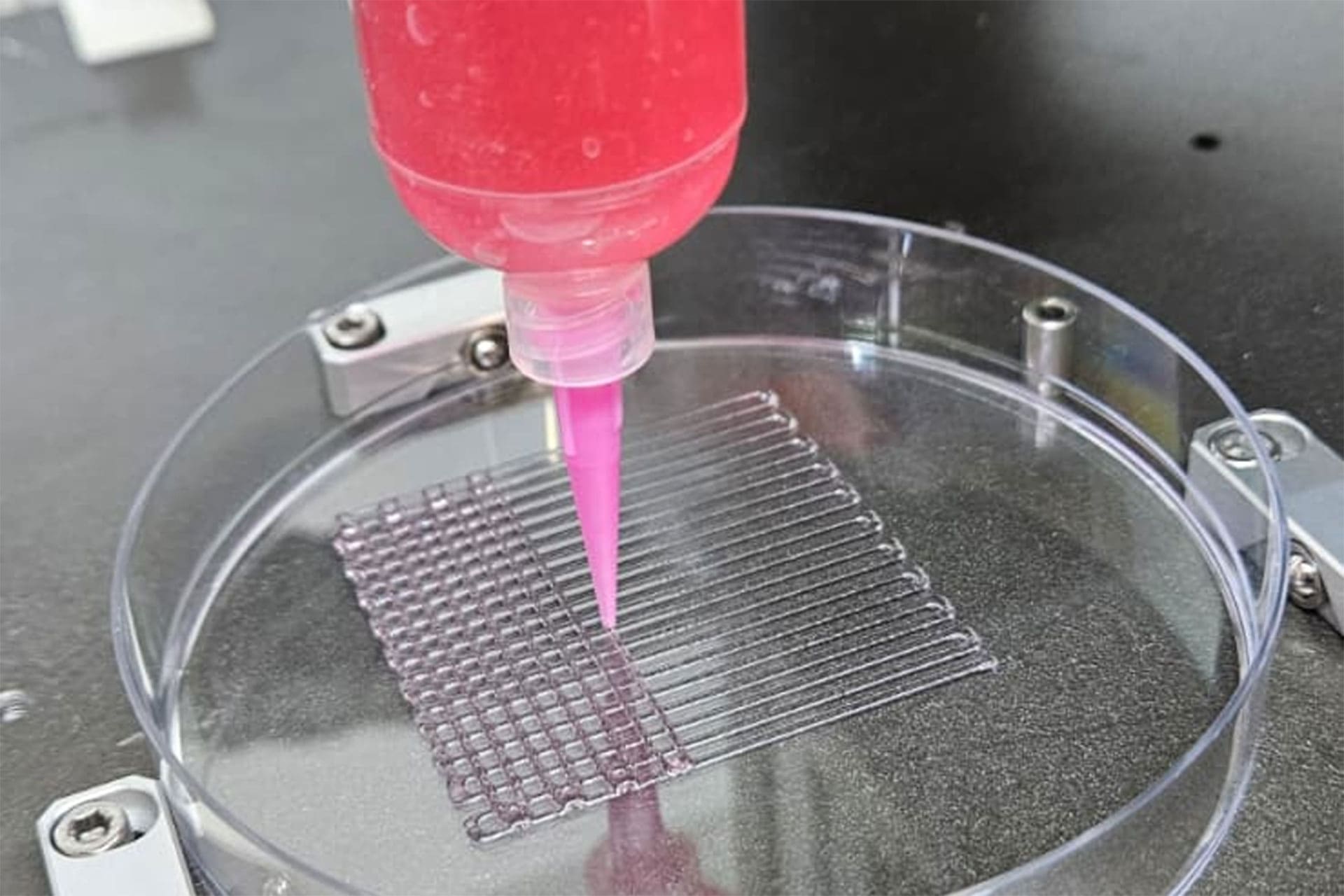
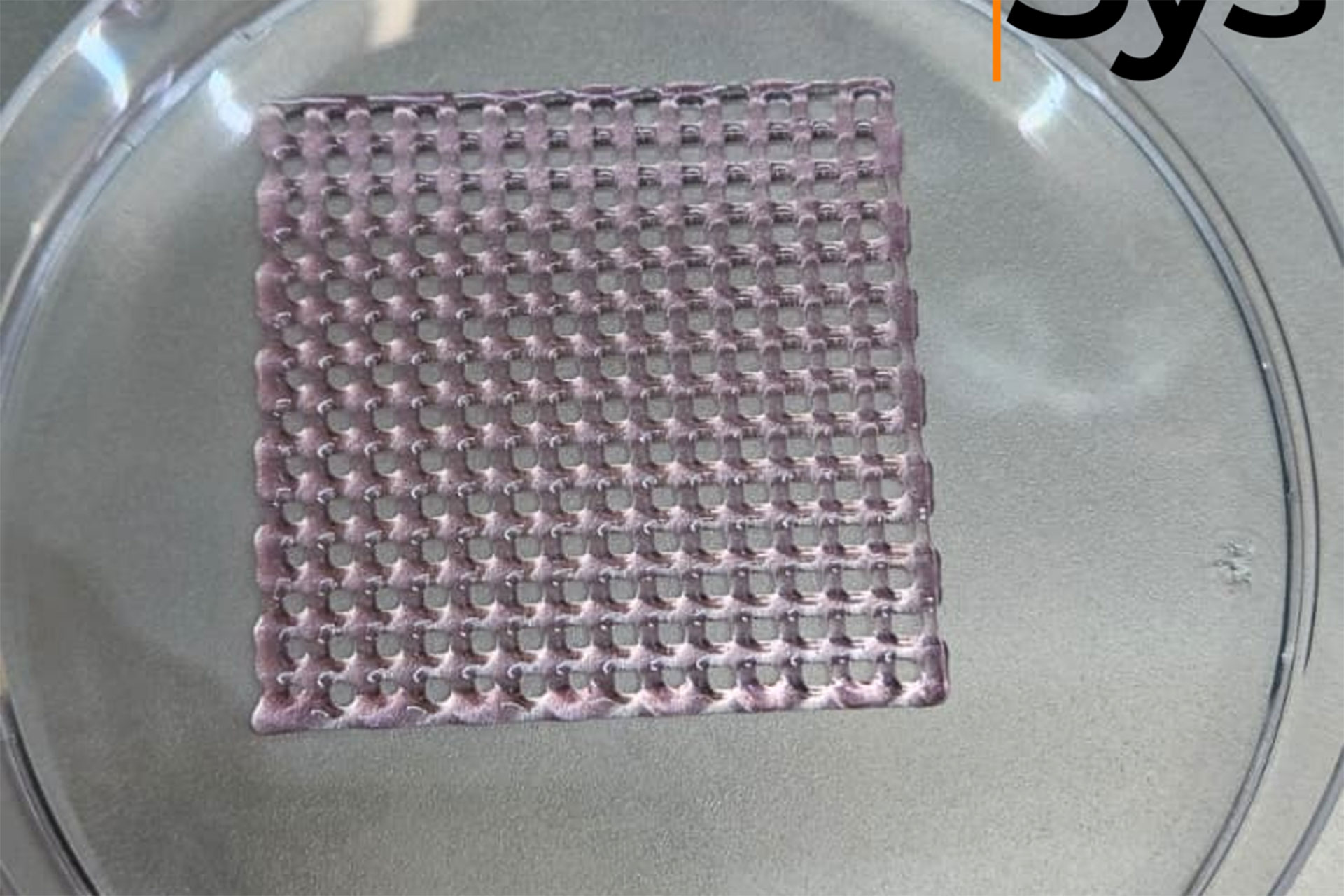
At Graz University of Technology, hydrogels are being developed for this purpose – water-rich materials that serve as a substrate for living skin cells. Fibroblasts and keratinocytes are embedded within them and built up layer by layer using 3D printing to form initial tissue structures. The challenge lies in the details: “The material must be stable enough to be printed, whilst at the same time being such that the cells within it can survive, grow and organise themselves,” says Rupert Kargl from the Institute of Chemistry and Technology of Bio-based Systems at Graz University of Technology. To achieve this, special cross-linking methods are used that do not require chemicals harmful to cells.
What comes out of the printer, however, is only the beginning… .
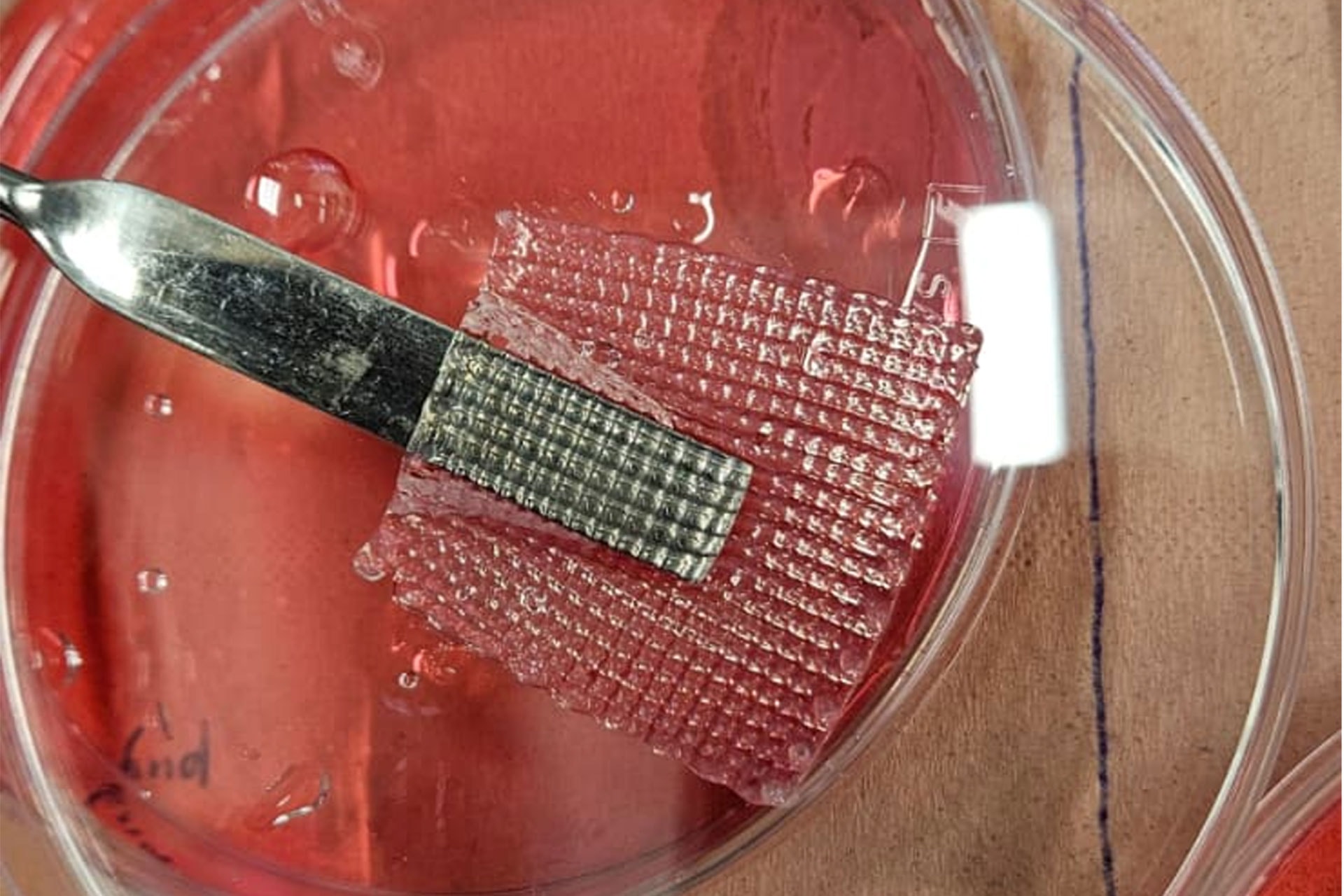
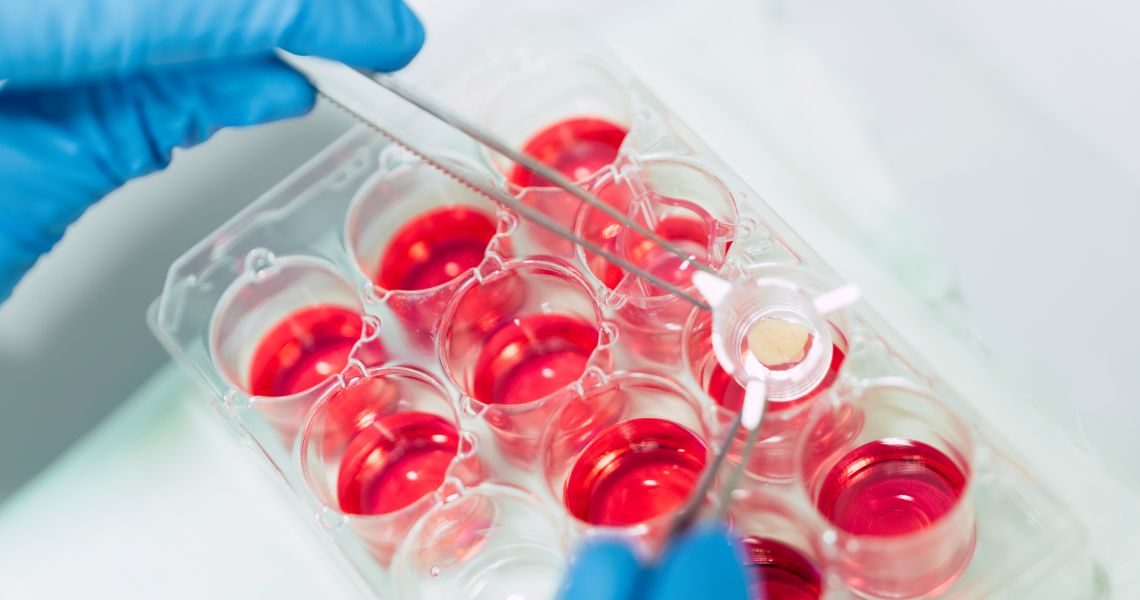
At COREMED, the second, crucial step begins: maturation. The printed structures are transferred to a cell culture medium and spend several weeks in an incubator. In this controlled environment, differentiated layers of skin gradually develop – transforming a technical scaffold into biologically active tissue. A key advantage of this technology lies in its realism: “As the artificial skin is based on human cells, it could help reduce animal testing in future whilst delivering even more meaningful results,” explains Elisabeth Hofmann of COREMED. Particularly with regard to transferability to clinical application, such models could open up new possibilities for testing active substances and addressing medical questions. Initial results show that the materials are stable and the cells remain viable – an important step towards a usable model. However, the research is still at an early stage of development. “We already have a well-established and comprehensively investigated standard model. However, to better reflect the complexity of human skin, further components are needed – such as immune cells or blood vessels,” says Hofmann. The integration of such structures currently represents a key challenge and is the subject of ongoing research.
Conclusion:
In future, this technology could replace animal testing, for example when it comes to testing the absorption and toxicity of nanoparticles in cosmetics such as sun creams. 3D-printed skin models could also be used in regenerative medicine, for example to aid in the treatment of burn victims.
By Petra Mravlak
Links:
Institute of Chemistry and Technology of Bio-based Systems, Graz University of Technology