- About us
- Research fields
- DIGITAL – Institut für Digitale Technologien
- MATERIALS – Institut für Sensorik, Photonik und Fertigungstechnologien
- ROBOTICS – Institut für Robotik und Flexible Produktion
- COREMED – Zentrum für Regenerative Medizin und Präzisionsmedizin
- HEALTH – Institut für Biomedizinische Forschung und Technologien
- LIFE – Institut für Klima, Energiesysteme und Gesellschaft
- POLICIES – Institut für Wirtschafts-, Sozial und Innovationsforschung
- Business areas
- Products & Services
- Research infrastructure
- Beteiligungen
- Career
- Aktuelles
- Publications
- Kontakt zu uns


Stable Isotope Tracer
TOTAL PROJECT DURATION:
3 years
The Project
GLP-1 analogues such as liraglutide also improve metabolic control in type 1 diabetes but are suspected of promoting hypoglycaemia. In a randomised, double-blind crossover study in 14 individuals with preserved beta-cell function, we investigated how a twelve-week liraglutide treatment affects glucose fluxes during controlled hypoglycaemia. Using stable isotope tracers, we found that hepatic glucose production, glucose uptake and hormonal counterregulation remained unchanged and that hypoglycaemia did not occur more frequently. At the same time, HbA1c and body weight decreased. The results suggest that liraglutide can be used safely as an add-on to insulin therapy in these patients.
Our Role in the Project
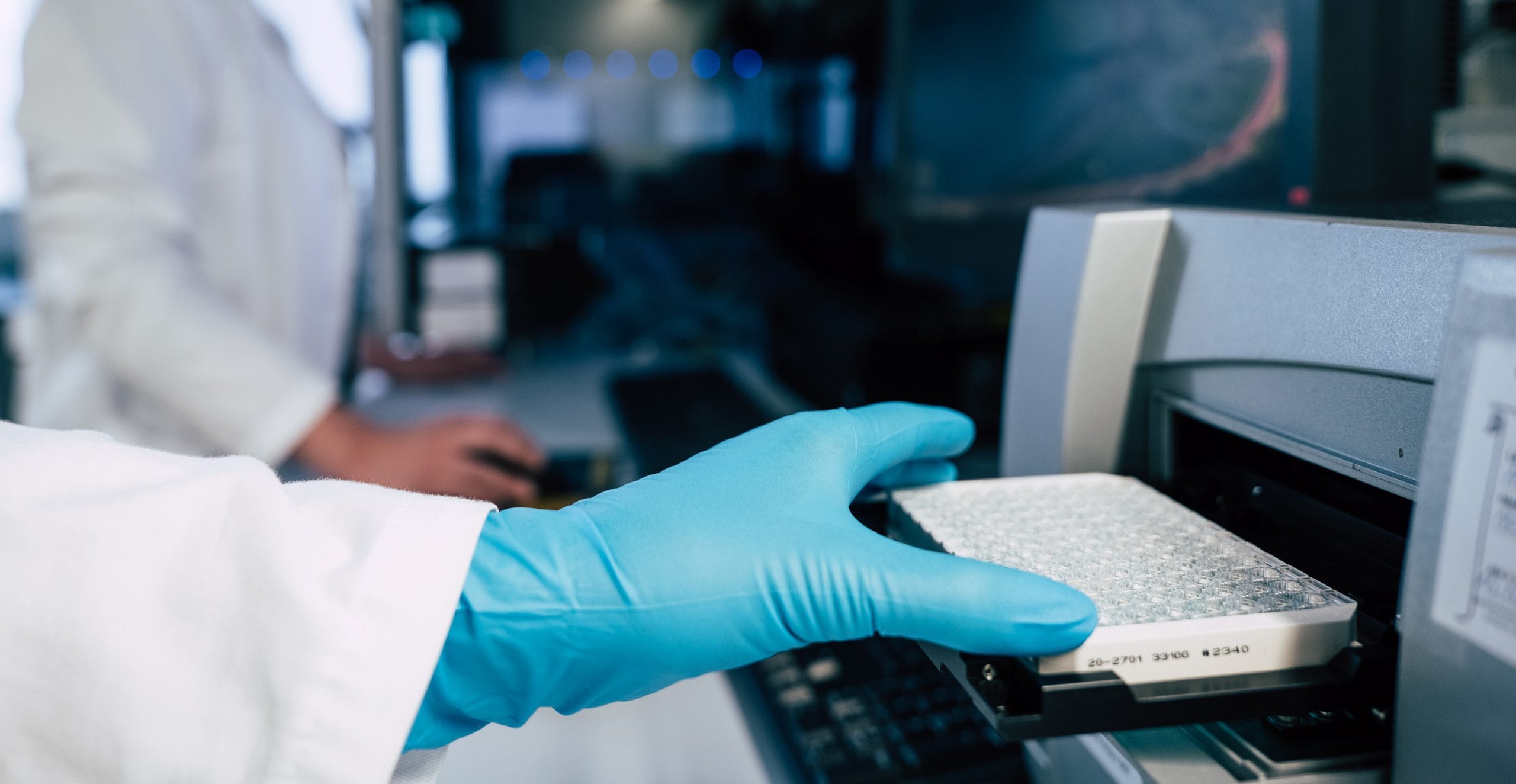
JOANNEUM RESEARCH HEALTH supported the study design and was responsible for data management. In addition, the team performed the GC-MS analysis of glucose and [6,6-²H₂]-glucose, was responsible for the statistical analysis using linear mixed-effects models, and assisted with data interpretation.

Research groups
Downloads
Customer/Funding Organization
Novo Nordisk A/S
Project Partner
Project Details
Background
Liraglutide is a GLP-1 receptor agonist that has been used successfully in type 2 diabetes for many years: it stimulates insulin secretion in a glucose-dependent manner, inhibits glucagon release, reduces body weight and improves glycaemic control. Liraglutide is also being investigated as an add-on to insulin therapy in type 1 diabetes. Large trials in this population showed improved metabolic control, lower insulin requirements and weight loss, with individuals who still have residual insulin secretion (C-peptide-positive) benefiting most. However, these trials also observed more frequent hypoglycaemia.
An earlier study in C-peptide-negative individuals had also suggested that liraglutide might alter glucose metabolism during hypoglycaemia. Whether the liver releases more or less glucose under liraglutide, or whether tissues take up glucose differently, had not yet been investigated.
Project Objective
The aim was to determine, for the first time, the effect of a twelve-week liraglutide treatment on whole-body glucose fluxes during hypoglycaemia in C-peptide-positive individuals with type 1 diabetes. The focus was on the liver’s own glucose production (endogenous glucose production, EGP) and glucose uptake into peripheral tissues (Rd), as well as the response of pancreatic alpha and beta cells.
Methods
In a randomised, double-blind, placebo-controlled crossover study, 14 individuals with type 1 diabetes and preserved beta-cell function (fasting C-peptide ≥ 0.1 nmol/L) each received liraglutide and placebo for twelve weeks in addition to their insulin therapy, separated by a four-week washout period. Liraglutide was titrated stepwise from 0.3 mg to a daily dose of 1.2 mg.
At the end of each treatment period, all participants underwent a hyperinsulinaemic stepwise hypoglycaemic clamp with plasma glucose plateaus of 5.5, 3.5 and 2.5 mmol/L and a recovery phase at 3.9 mmol/L. Glucose fluxes were determined using [6,6-²H₂]-glucose as a stable isotope tracer and GC-MS analysis, and glucagon was measured with a highly specific assay for intact glucagon. In addition, counterregulatory hormones and metabolic parameters were assessed, beta-cell function was evaluated in mixed-meal tolerance tests, and gastric emptying was measured using the paracetamol absorption test. The methodological approach builds on a previous study by the same team on the influence of C-peptide status on hypoglycaemia counterregulation.
Results
Endogenous glucose production and peripheral glucose uptake responded identically to hypoglycaemia under liraglutide and placebo. Adrenaline, noradrenaline, cortisol and growth hormone, as well as hypoglycaemia symptoms and awareness, also did not differ.
Under high insulin infusion at normal glucose levels, glucagon was more strongly suppressed during the liraglutide period. As glucose levels fell, however, it rose comparably in both periods, meaning the alpha cells responded equally to hypoglycaemia. C-peptide was higher under liraglutide during the early phase of hypoglycaemia induction, but this had no effect on glucose fluxes.
The number of hypoglycaemic episodes during the study was comparable (129 under liraglutide, 145 under placebo). At the same time, liraglutide led to significantly lower HbA1c and body weight and a trend towards lower insulin requirements. Gastric emptying remained unchanged. The treatment was well tolerated: only mild to moderate adverse events occurred, including some transient gastrointestinal complaints.
Significance
The results show that a three-month liraglutide treatment added to insulin in C-peptide-positive individuals with type 1 diabetes neither promotes nor prolongs hypoglycaemia, while metabolic control improves. Whether longer treatment affects the natural course of the disease and the preservation of beta-cell function needs to be clarified in larger, longer-term studies.
Ausblick
Darüber hinaus ist die in diesem Projekt angewandte Methode zur Bestimmung der endogenen Glukoseproduktion (EGP) für die Untersuchung einer neuen Generation von Medikamenten zur Gewichtsreduktion von großer Bedeutung, die am Glukagonrezeptor ansetzen (z. B. Survodutide, Mazdutide, Retatrutide, Pemvidutide, Efinopegdutide und Efocipegtrutide). Da die Aktivierung dieses Rezeptors die EGP unmittelbar beeinflusst, lässt sich die Wirkung dieser Substanzen mit dieser Methode sehr präzise erfassen.
Funding
Project team



Publications
Related Projects
Miteinander zukunftsrelevant
Die JOANNEUM RESEARCH ist Innovations- und Technologieanbieter im Bereich der angewandten Forschung. Als Forschungsgesellschaft der Länder und Regionen prägen wir mit unseren Forschungskompetenzen die Entwicklung unserer modernen Gesellschaft und Wirtschaft nachhaltig und menschenzentriert. Als multidisziplinäres Team in flexiblen, innovationsfreundlichen Strukturen leben wir höchste gesellschaftliche und wissenschaftliche Ansprüche.