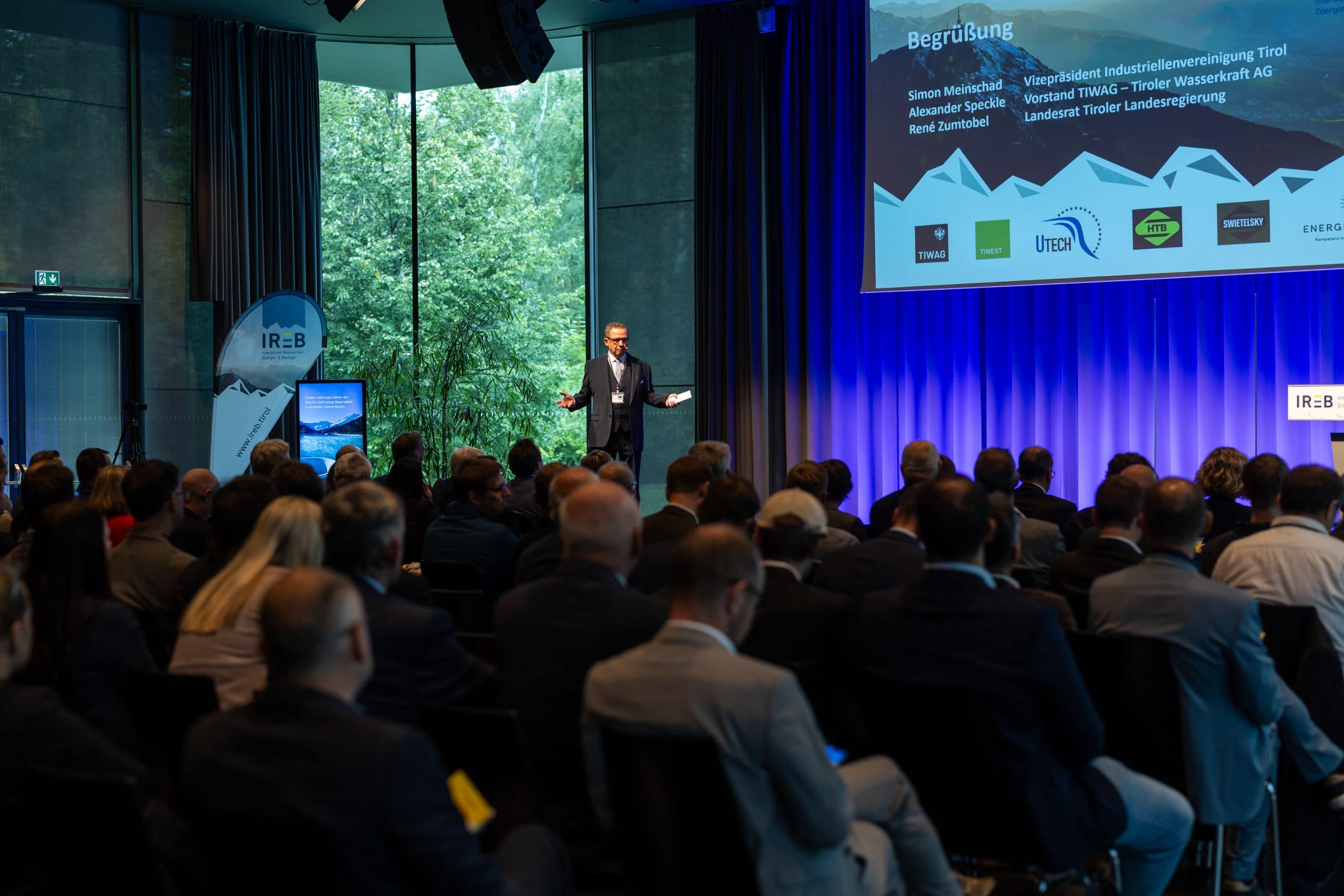


Focus on energy supply: On 17 and 18 September 2025, the Interalpine Resource, Energy and Construction Days (IREB) took place for the first time in Igls (Tyrol). Under the motto ‘A positive energy balance does not guarantee a warm winter’, experts, decision-makers and innovation leaders discussed the future of energy supply and the importance of energy storage.
Johanna Pucker-Singer, researcher at the LIFE Institute, presented the results of completed projects on the ecological assessment of energy storage technologies and provided insights into current research questions on recyclability.
Project outcomes
The project results show that storage losses during operation are a key factor influencing the environmental impact of energy storage systems. Manufacturing costs also contribute significantly to life cycle emissions when electricity from renewable energy sources is stored, especially in the case of batteries. The results from the investigation of demo projects with battery storage systems show that battery storage can reduce greenhouse gas emissions if the use of storage prevents the curtailment of PV systems.
Recyclability
As part of IEA EV Task 52, a methodology is being developed to measure the recyclability of technologies and products. Initial calculations of the ‘circularity potential’ using the example of a lithium-ion battery for an electric vehicle show that implementing measures from the EU Battery Regulation can increase recyclability.
Power station tour
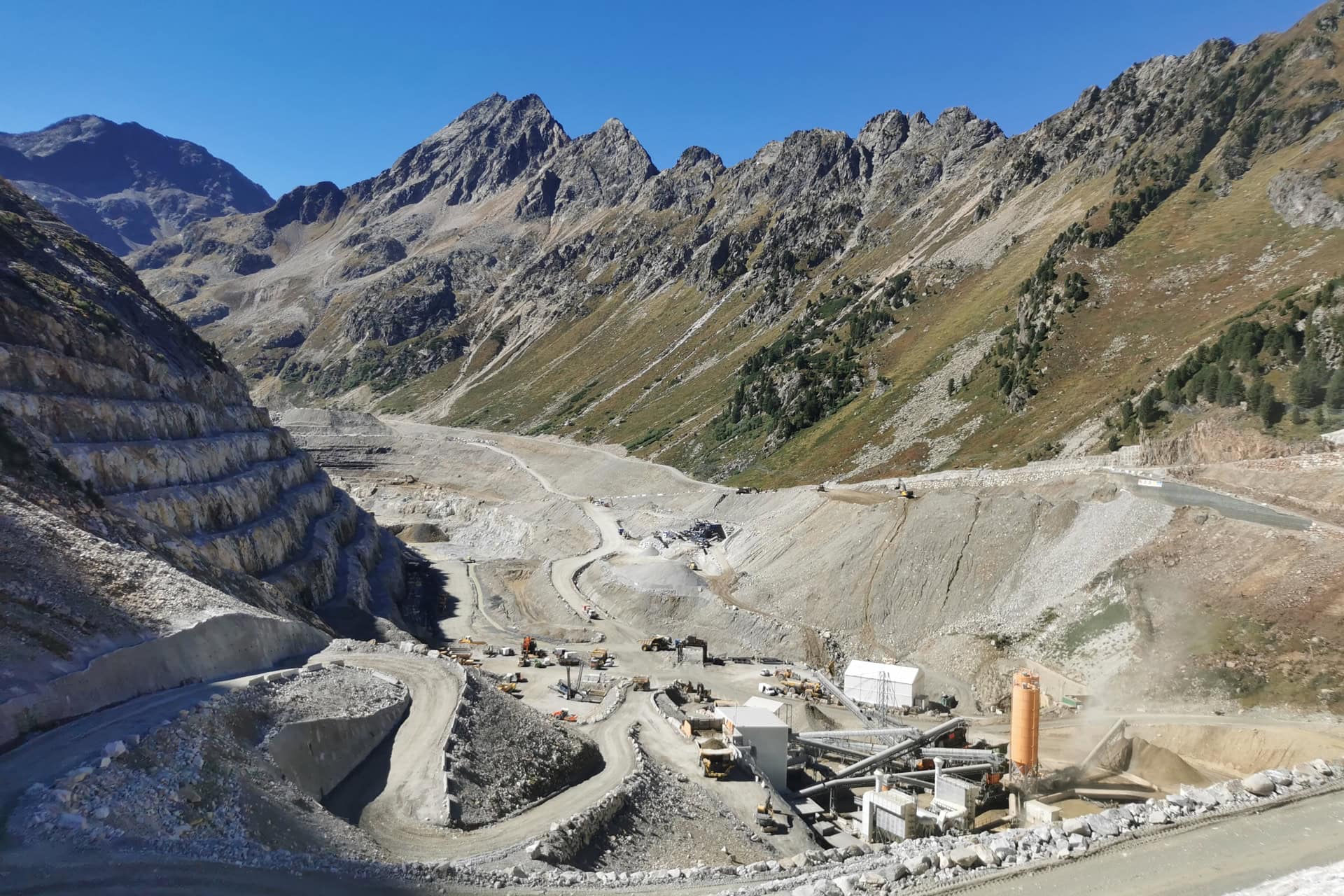
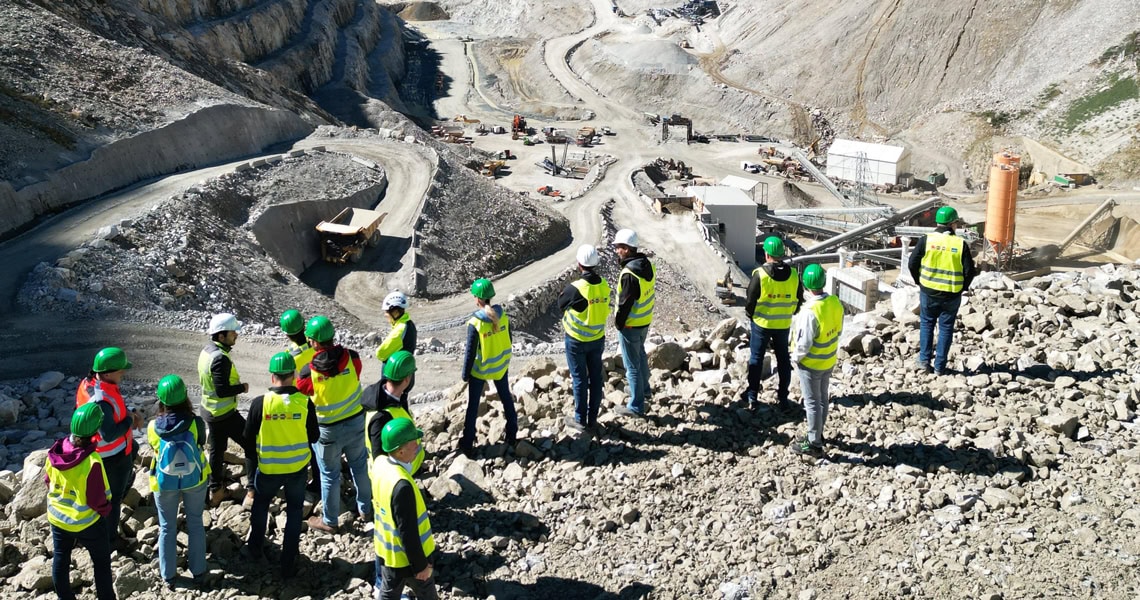
On the second day of the event, an excursion to TIWAG's large-scale construction site for the Kühtai pumped storage power plant was on the agenda. Participants were given an insight into Austria's largest hydropower plant construction site. From 2026 onwards, the plant will make an important contribution to security of supply as a ‘green battery’.