

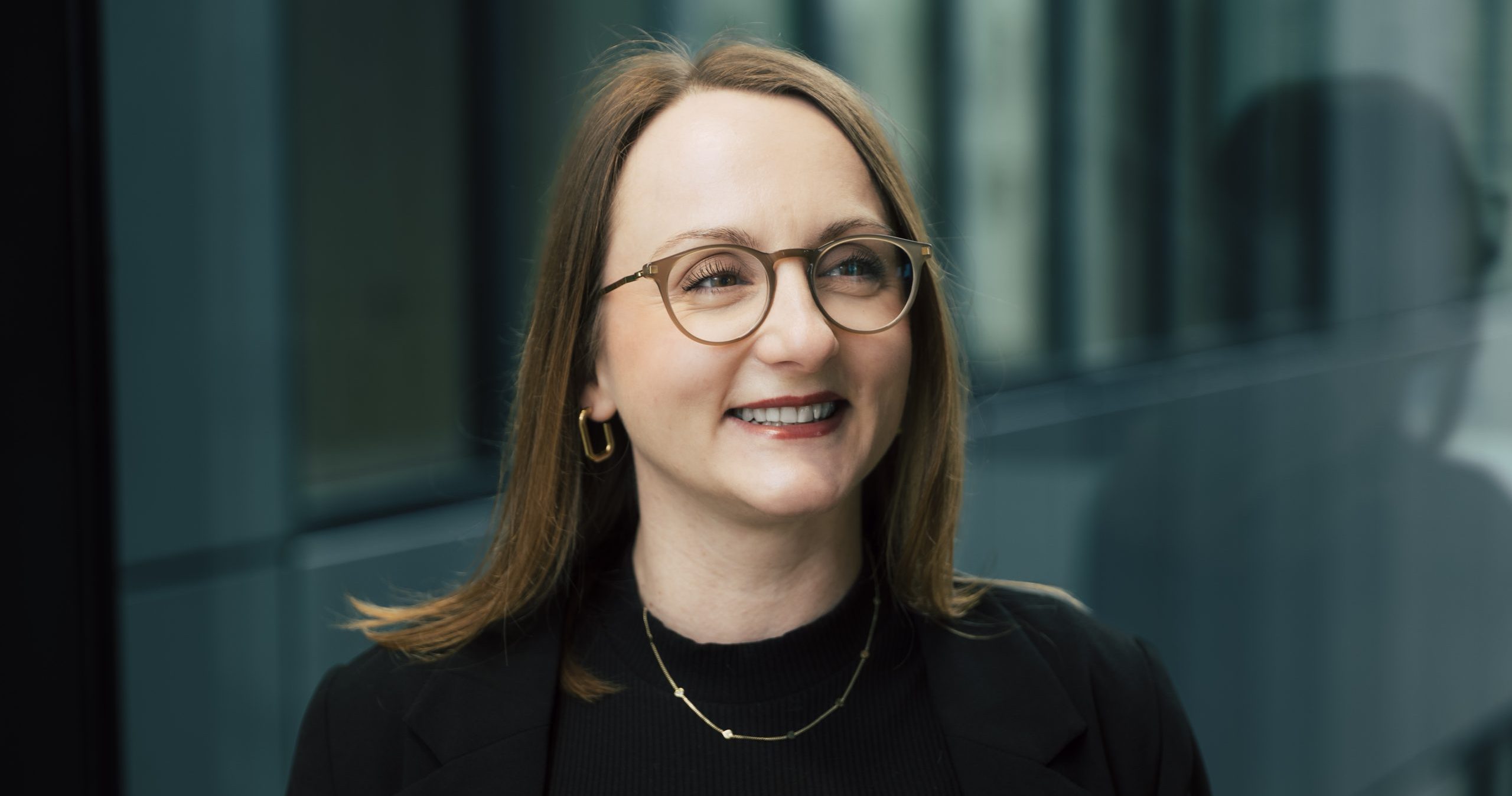
Petra Kotzbeck, what developments will have a particularly significant impact on medicine in the future?
We are currently undergoing a profound transformation. Medicine is becoming increasingly personalised. The aim is to detect diseases at an earlier stage and to tailor treatments more effectively to individual patients. To achieve this, we need an even better understanding of biological processes and modern technologies to support us in this endeavour.
Precision medicine is a major topic for the future. What does this mean in practical terms for patients?
Precision medicine means that we take greater account of the fact that people are different. Not every patient responds in the same way to a treatment. The better we understand biological differences, the more precisely we can select treatments and improve their effectiveness.
What are the biggest challenges currently facing the field of diagnostics?
Diseases are often far more complex than we have long assumed. We should therefore not expect a single biomarker to provide all the answers. To understand diseases better, we need to bring together various pieces of information and consider them as part of the bigger picture.
One issue that affects many women is gender-sensitive medicine. Why does this need more attention?
This is because women and men do not always respond to medication in the same way, and symptoms can vary in severity. For a long time, research and the development of treatments were often based on the male norm. Taking these differences more fully into account improves the quality of healthcare for everyone.
Wound healing is your area of expertise. Why does this field of research still fascinate you today?
Wound healing is a striking demonstration of the human body’s capabilities. At the same time, it highlights just how complex these processes are. I am fascinated by the question of how we can better understand regeneration and help people whose healing processes are impaired. This knowledge is becoming increasingly important, particularly in an ageing society.
With your appointment as director, you are one of the few women in a top position within the research community. What does this mean to you?
I am delighted by the trust placed in me through this role. At the same time, I am committed to raising the profile of women in leadership positions. Diversity within teams and at management level brings together different perspectives – and that is exactly what we need in research and innovation too. I also believe it is important for alternative leadership models to become established. Lars-Peter Kamolz and I share the leadership of COREMED.
What advice would you give to young women who are aiming for a career in science or management?
Believing in yourself and actively seizing opportunities – saying ‘yes’ at the right moment. It’s worth consistently pursuing your own path and showcasing your expertise.
About the person
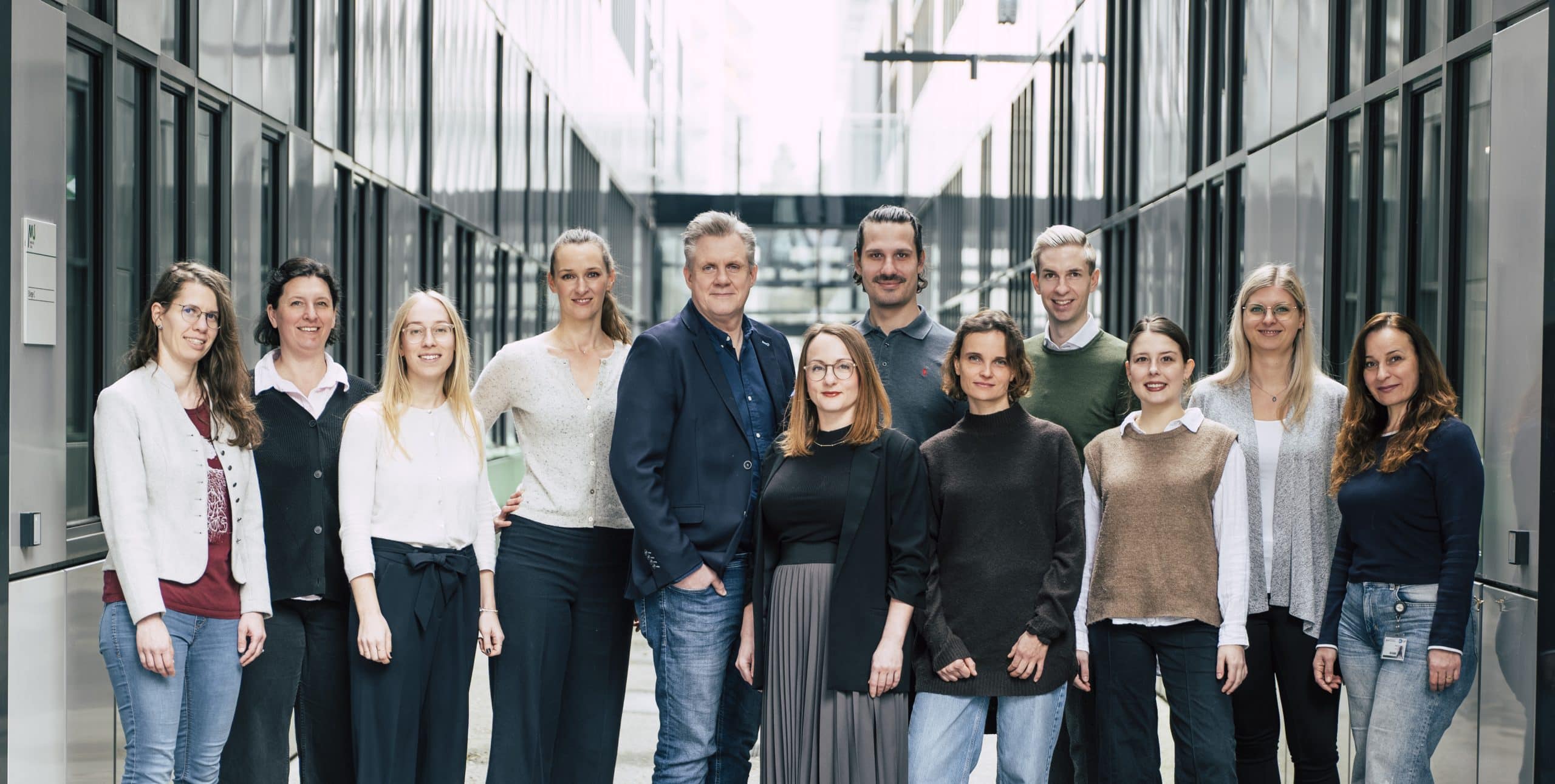
Petra Kotzbeck joined COREMED as a Senior Scientist in 2018. She quickly became head of the ‘Tissue Regeneration and Wound Healing’ research group, and shortly afterwards deputy director. She is also an associate professor in the Clinical Department of Plastic, Aesthetic and Reconstructive Surgery at the Medical University of Graz, where she heads the ‘Research Unit for Tissue Regeneration, Repair and Reconstruction’. Her research focuses on regenerative medicine, wound healing, inflammation and metabolism.
About the Health and Care business unit