

RESPED brings together partners from seven countries to explore how PEDs – urban districts that produce more energy than they consume – can become key instruments in enhancing energy resilience while tackling energy poverty. The project aims to make PEDs not only more technically advanced, but also more accessible and affordable for vulnerable and low-income populations.
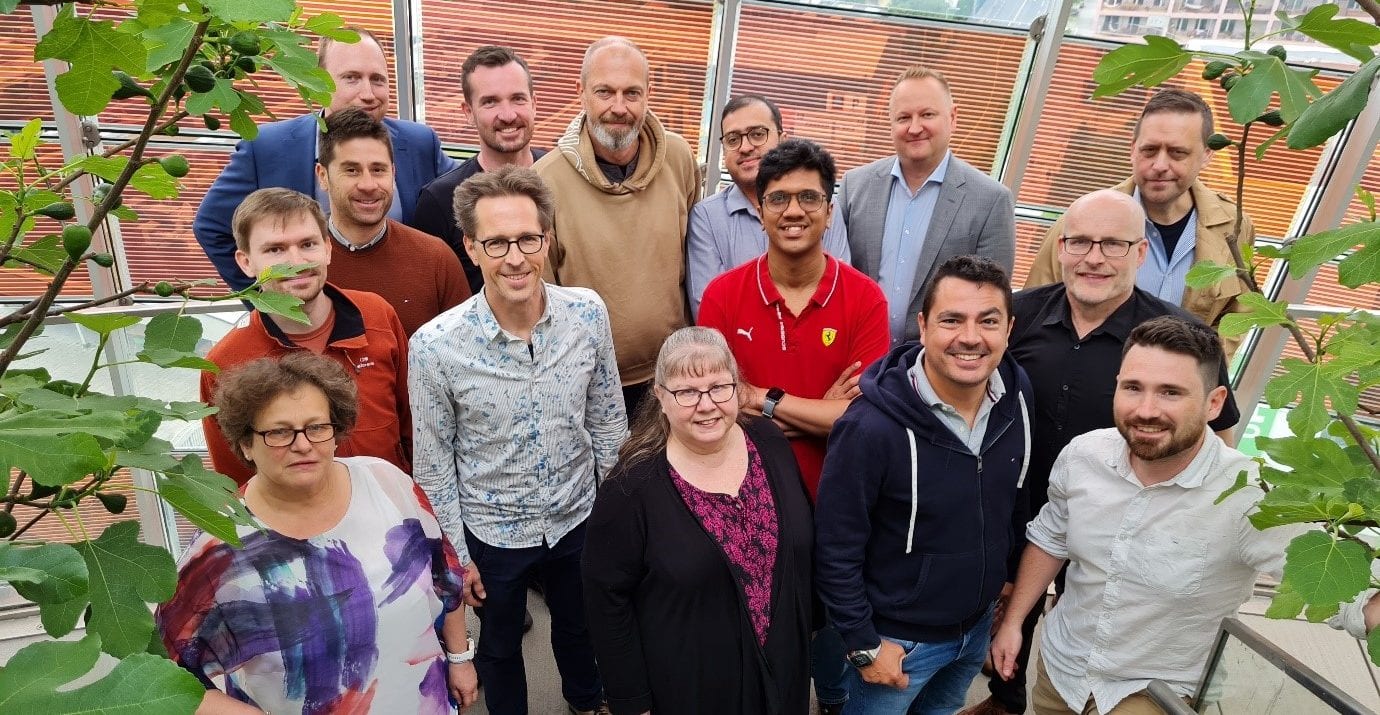
A core focus of RESPED is to understand how PEDs can maintain stability and affordability in the face of external shocks, such as energy price fluctuations or power outages. The project will develop and test innovative financing models, digital tools, and participatory methods to empower citizens and ensure social inclusion in the energy transition. The kick-off meeting provided an ideal platform for exchange among the participants, the coordination of shared goals, and the planning of the first concrete steps.