

Be bold
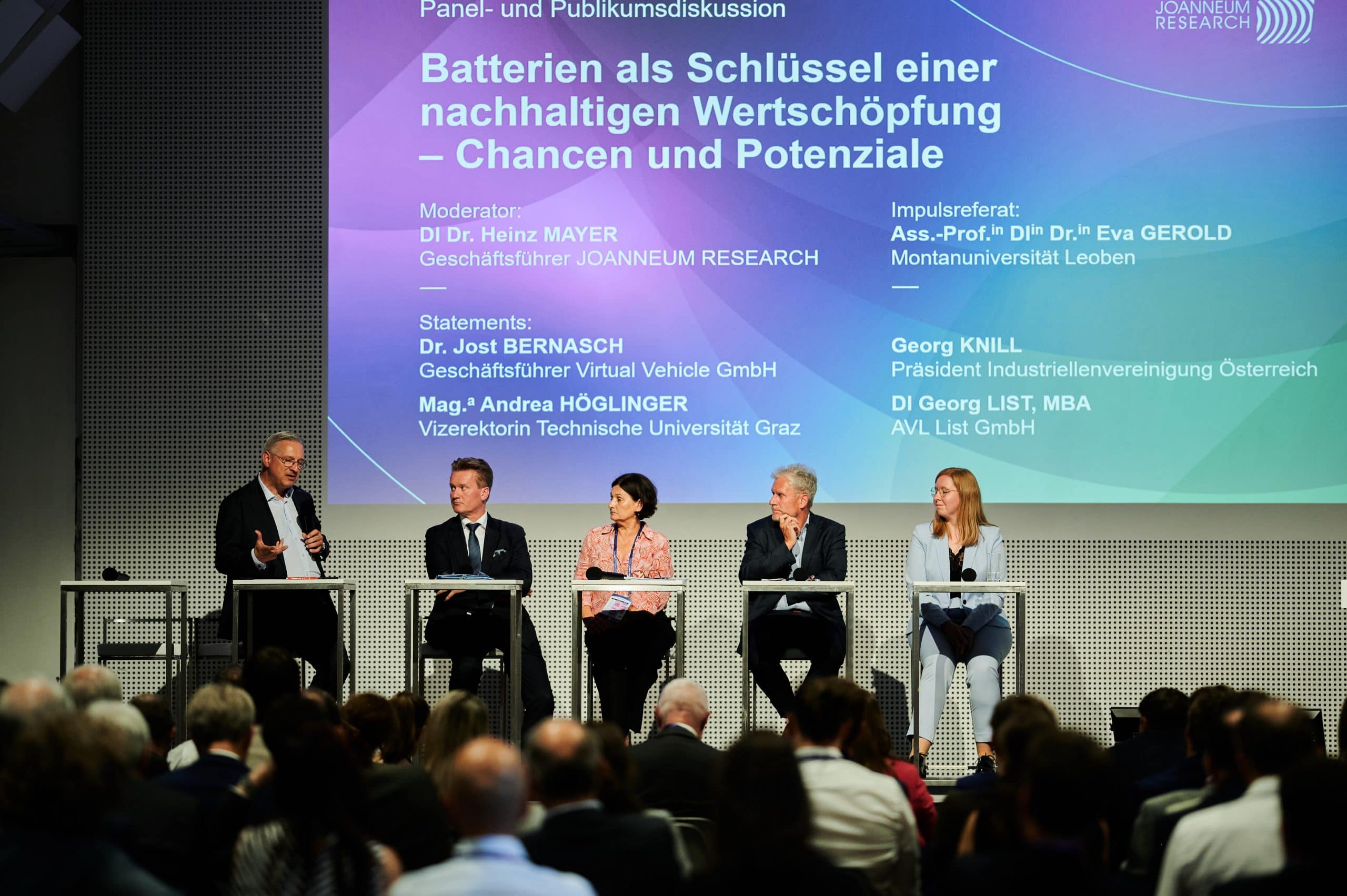
Batteries are key components of a sustainable energy future – but Europe faces massive challenges along the value chain. At the workshop ‘Batteries as the key to sustainable value creation – opportunities and potential’, it became clear that the will to change is there, but the path to achieving it requires clear strategies, the courage to specialise and determination.
Recycling as the key to raw material sovereignty
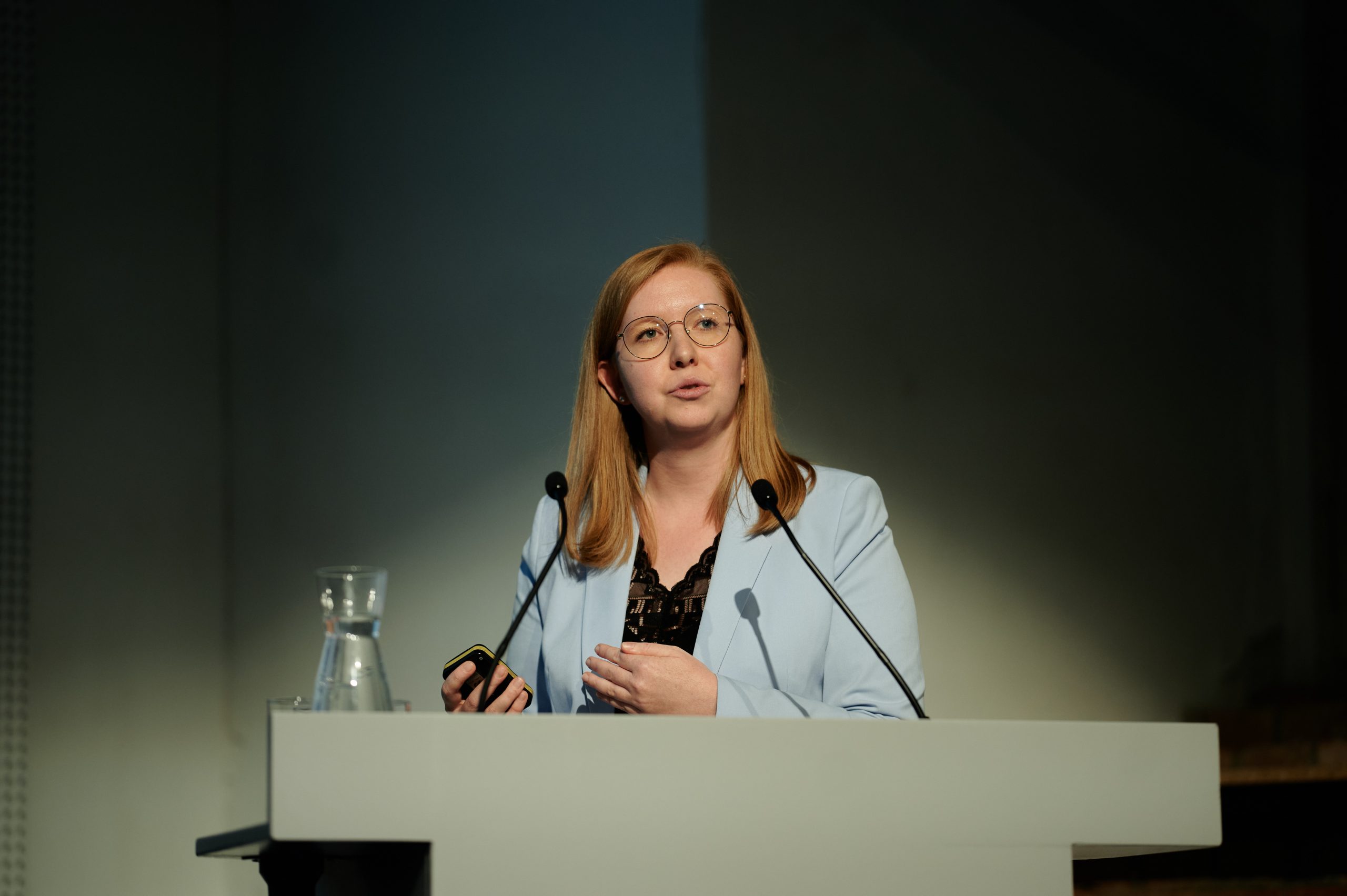
Eva Gerold, assistant professor at the Montanuniversität Leoben, kicked things off with an in-depth overview of technological developments and recycling strategies. She emphasised the dynamics in cell chemistry – in particular the growing use of lithium iron phosphate (LFP) batteries – and the resulting challenges for recycling. One example of this is that not all black mass is the same – the diversity of cell chemistries requires flexible, technologically adaptable processes. Regulatory requirements are also challenging: high recycling rates and mandatory recycling quotas in new batteries are ambitious but necessary. Gerold particularly emphasised the potential of ‘second life’ – i.e. the continued use of batteries with reduced capacity, for example for stationary energy storage. ‘Recycling is an enabler for sustainability and security of supply,’ Gerold summed up. And: ‘Closing the raw material cycle and thus securing valuable resources would be a decisive locational advantage.’
Simulation creates certainty
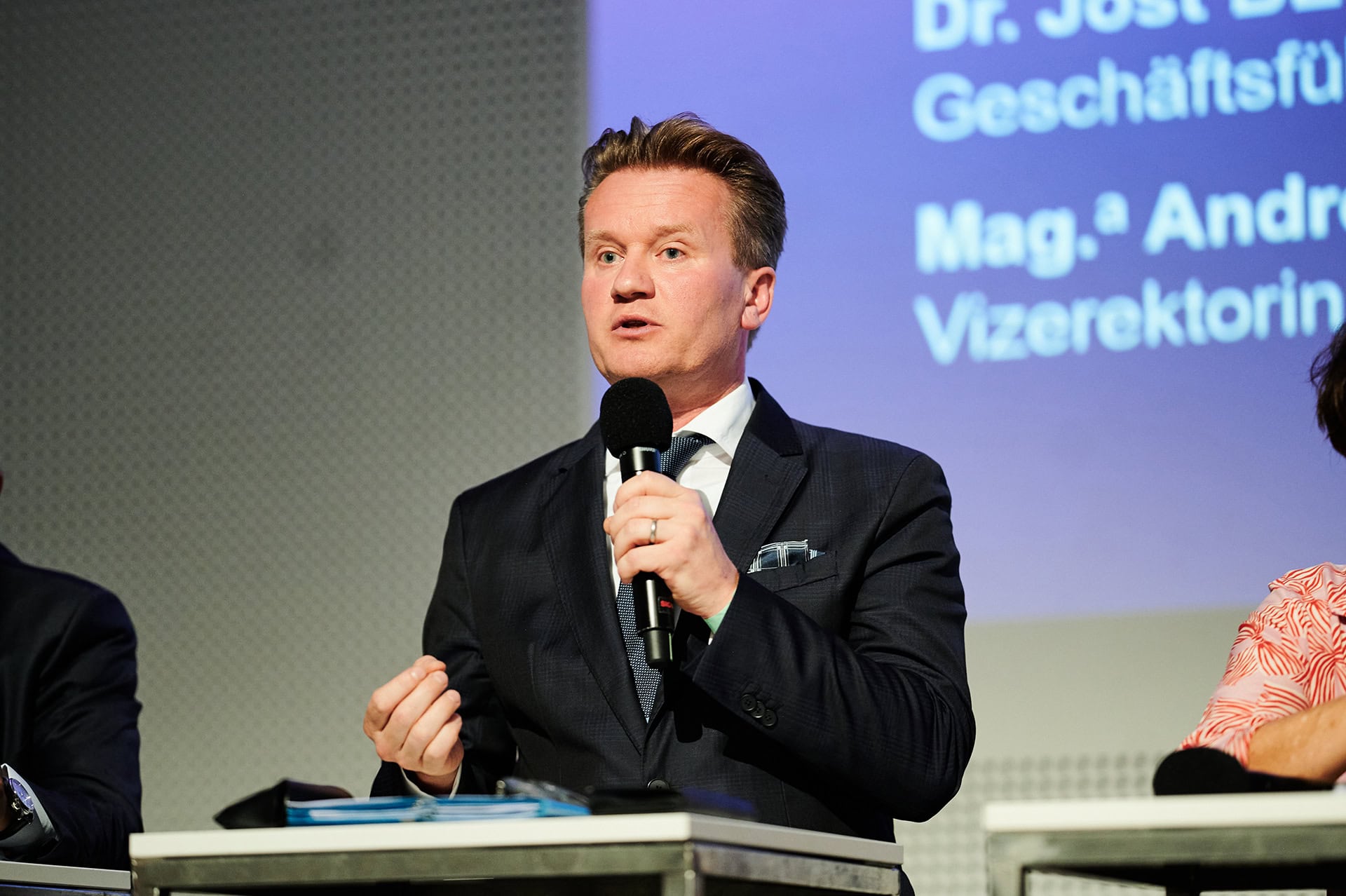
There are great opportunities for the location in niches and specialisations, such as specialising in the digital product range of batteries. VIRTUAL VEHICLE is a leading player in the field of simulations. Managing Director Jost Bernasch sees enormous potential here. Digital twins contribute significantly to chemical and thermal safety in electromobility. They provide valuable insights for the European automotive industry – even in critical situations where gases could be released. Bernasch sums up: ‘Asia is clearly the leader and has systematically developed and scaled up battery cell technology. We now have powerful batteries from Asia, yes, but we in Europe must now build on this and seize our opportunities.’
Georg List, Vice President of AVL List GmbH, called for a sober assessment of the current situation: ‘The market is very attractive, but also extremely volatile. Modern batteries require different skills – we need to exchange ideas and work together.’ Europe's strengths lie not in cell production, but in areas such as test system development, sustainability technologies and system understanding. Methodology, technology and user knowledge must be addressed in order to achieve real differentiation in this extremely exciting market. The appeal: have the courage to leave gaps – we cover a lot, but we don't have to be able to do everything at the necessary scale! Sustainability is the lever with which Europe can score points.
Focus, test, secure
Andrea Höglinger, Vice-Rector of Graz University of Technology, impressed with the expertise of the Styrian technology hub. Graz University of Technology has a broad range of expertise in battery technologies, from material development, production and recycling of batteries to the integration of battery systems and battery storage systems as a whole. The COMET centre Batterie4Life has just been launched, focusing on the efficiency and sustainability of batteries. When asked how it might be possible to catch up with Asia in terms of technological development, her confident answer is: ‘Focus, test, secure!’
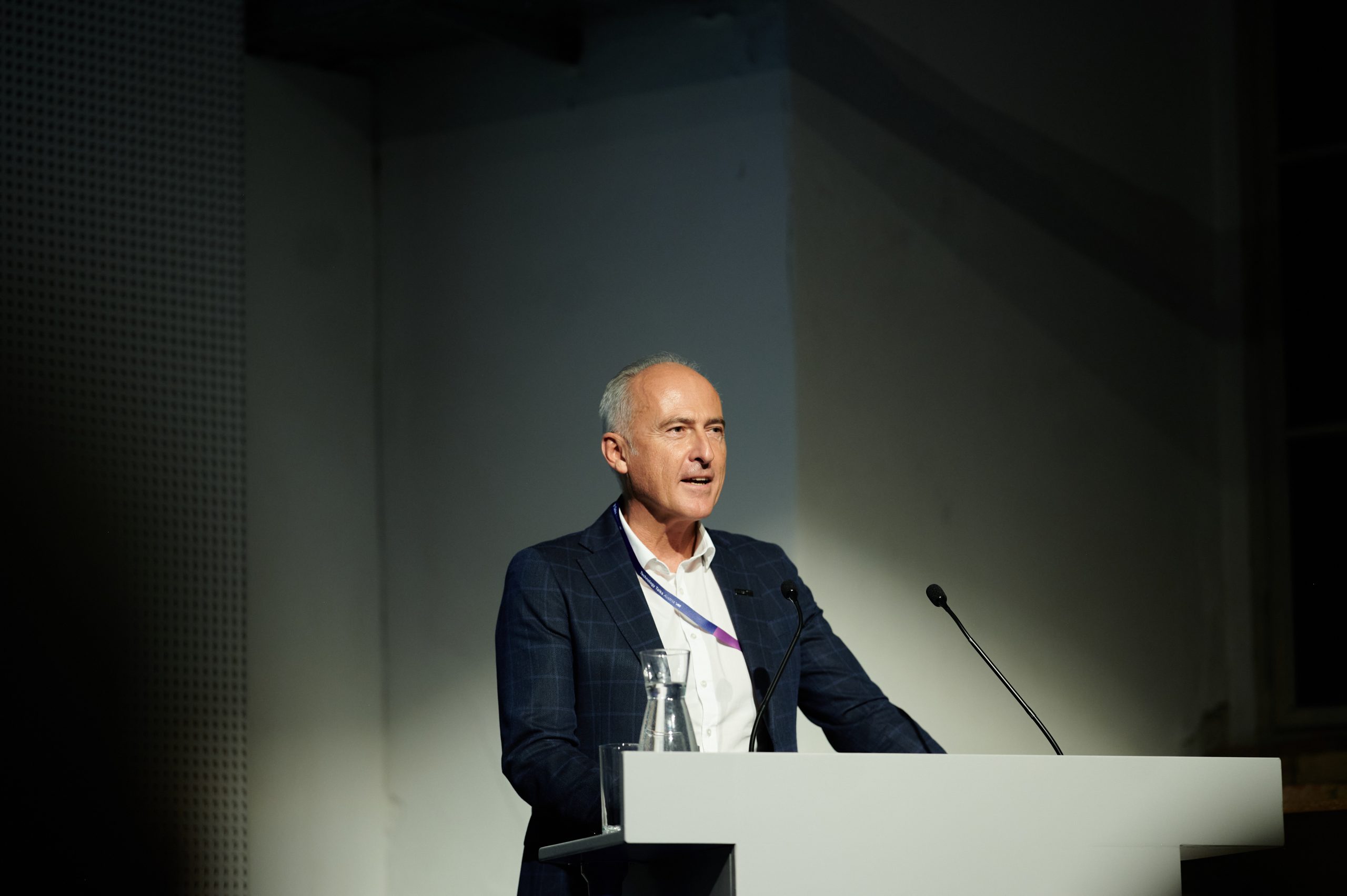
But the European battery industry is facing global competition with its back against the wall. Georg Knill, President of the Federation of Austrian Industries, also sees Europe's only chance of remaining a player on the international technology stage as being to focus on niche technologies. "Sure, we are strong in some niches, but the big developments are happening elsewhere. We have lost everything, or at least 90 per cent, to China," said Knill. He saw one of the biggest challenges at present as being to adapt the necessary political framework conditions. This requires consistent and agile investment in research, development and innovation in order to secure the industrial base and position in strategic value chains.
Conclusions
Ein zentraler Tenor der Diskussion: Asien ist Europa Jahre voraus – vor allem, weil dort konsequent skaliert wurde. Europa dagegen setzt oft noch zu kleinteilig und zersplittert an. Der Workshop machte die Lücken unübersehbar – und zugleich die Potenziale deutlich. Wer international bestehen will, muss klare Schwerpunkte setzen, industrielle Lösungen skalieren und Innovationen systematisch testen. Nicht Vollständigkeit, sondern Spezialisierung entscheidet. Europa hat die Expertise – jetzt gilt es, daraus Marktvorteile zu schaffen. Mut zur Lücke wird zur Stärke, wenn daraus strategische Fokussierung entsteht.
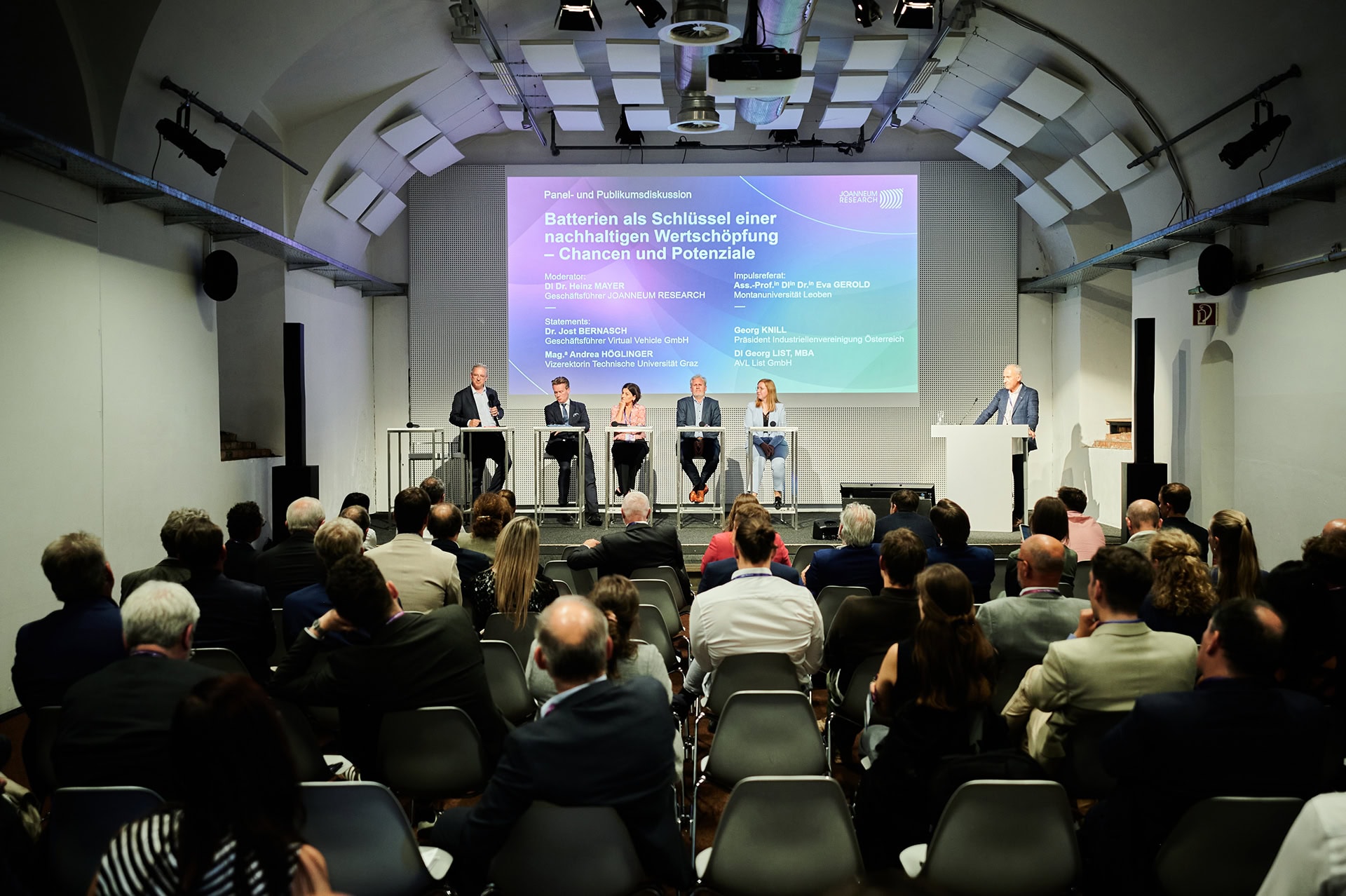
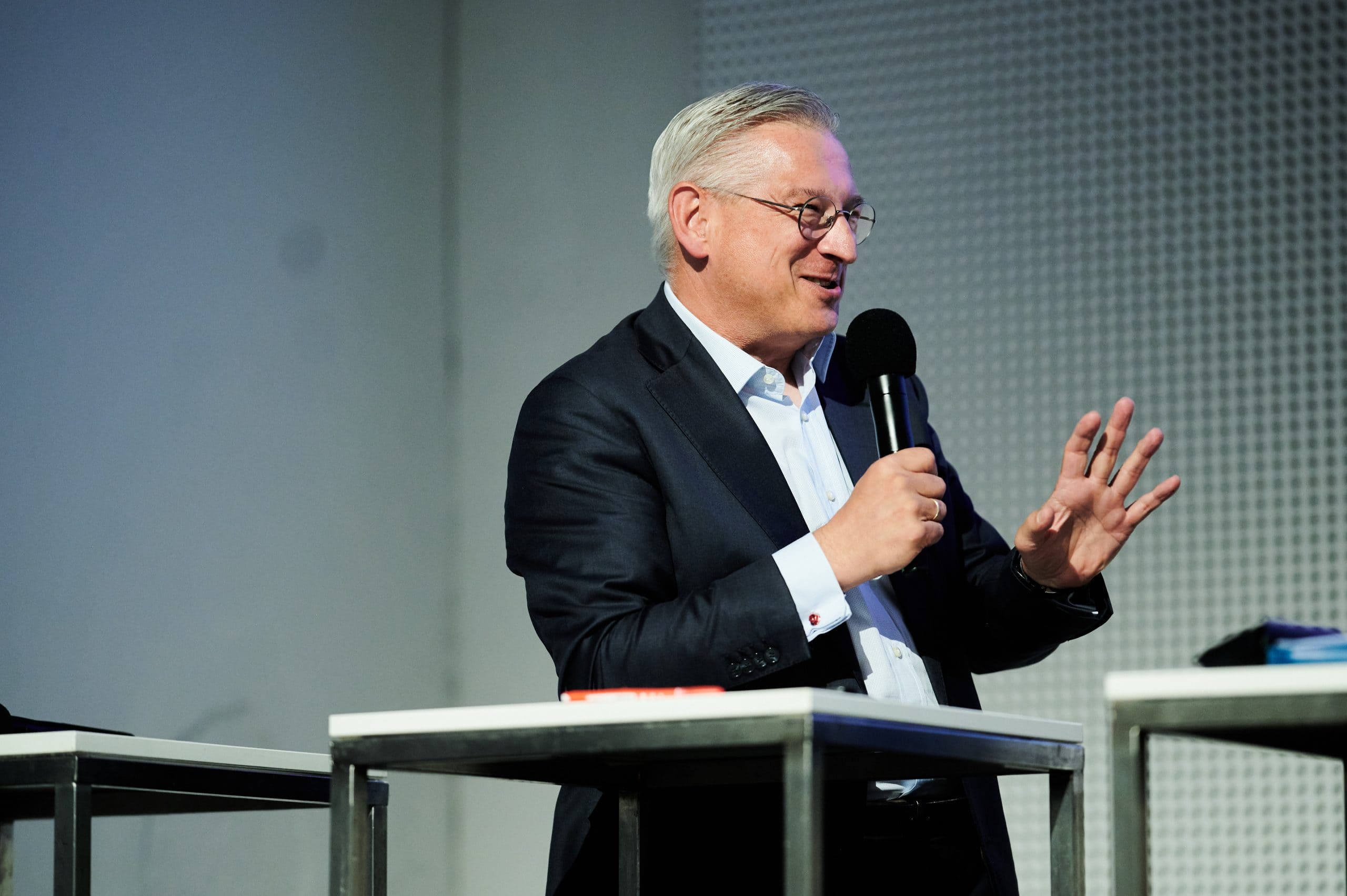
The workshop was moderated by Heinz Mayer, Managing Director of JOANNEUM RESEARCH.
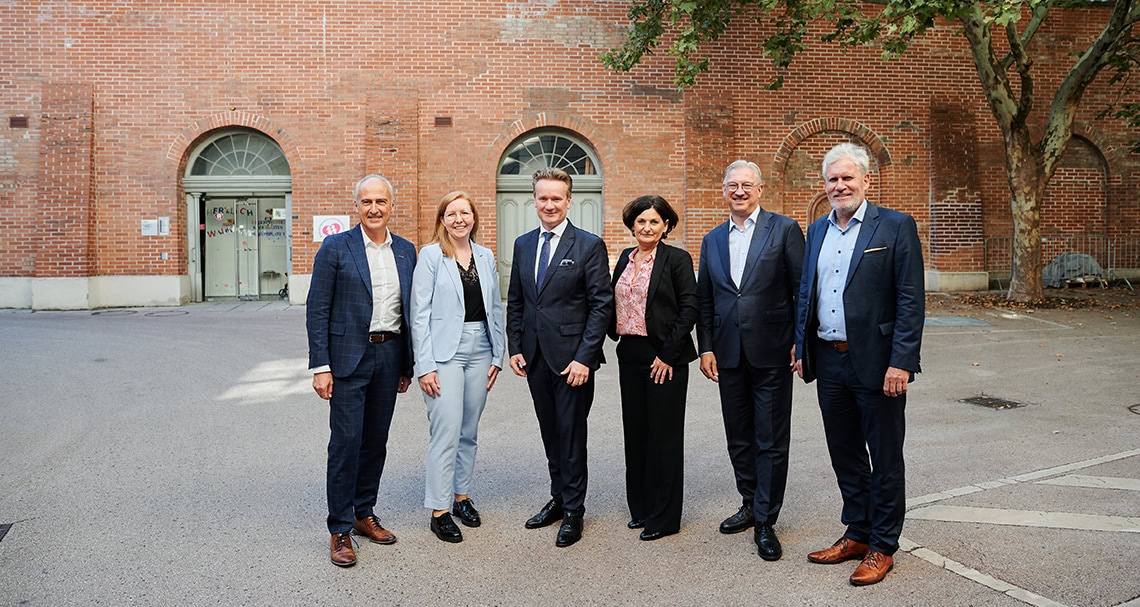
Teilnehmer*innen:
Dr. Jost BERNASCH, CEO Virtual Vehicle GmbH
Ass.-Prof.in DIin Dr.in Eva Gerold, Montanuniversity Leoben (keynote speech)
Vizerektorin Mag.a Andrea HÖGLINGER, Technical University Graz
Georg KNILL, President Industriellenvereinigung Österreich
DI Georg LIST, MBA, Vice President Corporate Strategy and Research & Technology, AVL List GmbH