

Raw materials are becoming scarcer, emissions are rising, and businesses and society alike are facing major challenges. The circular economy is gaining importance worldwide because it enables the responsible use of finite resources. Instead of disposing of materials after a single use, they are kept in circulation, reused or recycled. This not only reduces waste, but also the demand for new raw materials. At the same time, this approach reduces emissions and eases the burden on the climate. For companies, the circular economy opens up new business models, greater efficiency and long-term cost advantages. For regions, it creates additional value and strengthens security of supply. Overall, it is a central building block for a sustainable, future-proof economy. We took Circular Monday as an opportunity to present some promising projects from our research.
Scan from the basement to the roof
Using portable 3D scanners, our researchers at JoanneumResearch are capturing existing buildings from the basement to the roof in the KrAIsbau project – including both visible and invisible structures. This allows a 3D point cloud to be created. The data is analysed using AI developed by us to identify materials, pipes and possible damage. This allows old buildings to be repurposed, renovated or recycled in a resource-efficient, flexible and sustainable manner.
The advantages: comprehensive and accurate data is obtained, and the use of AI-supported tools enables better planning and quick decisions. This reduces costs in the construction and renovation process. In addition, the continued use of buildings and their raw materials reduces waste and costs.
Recycling of textiles
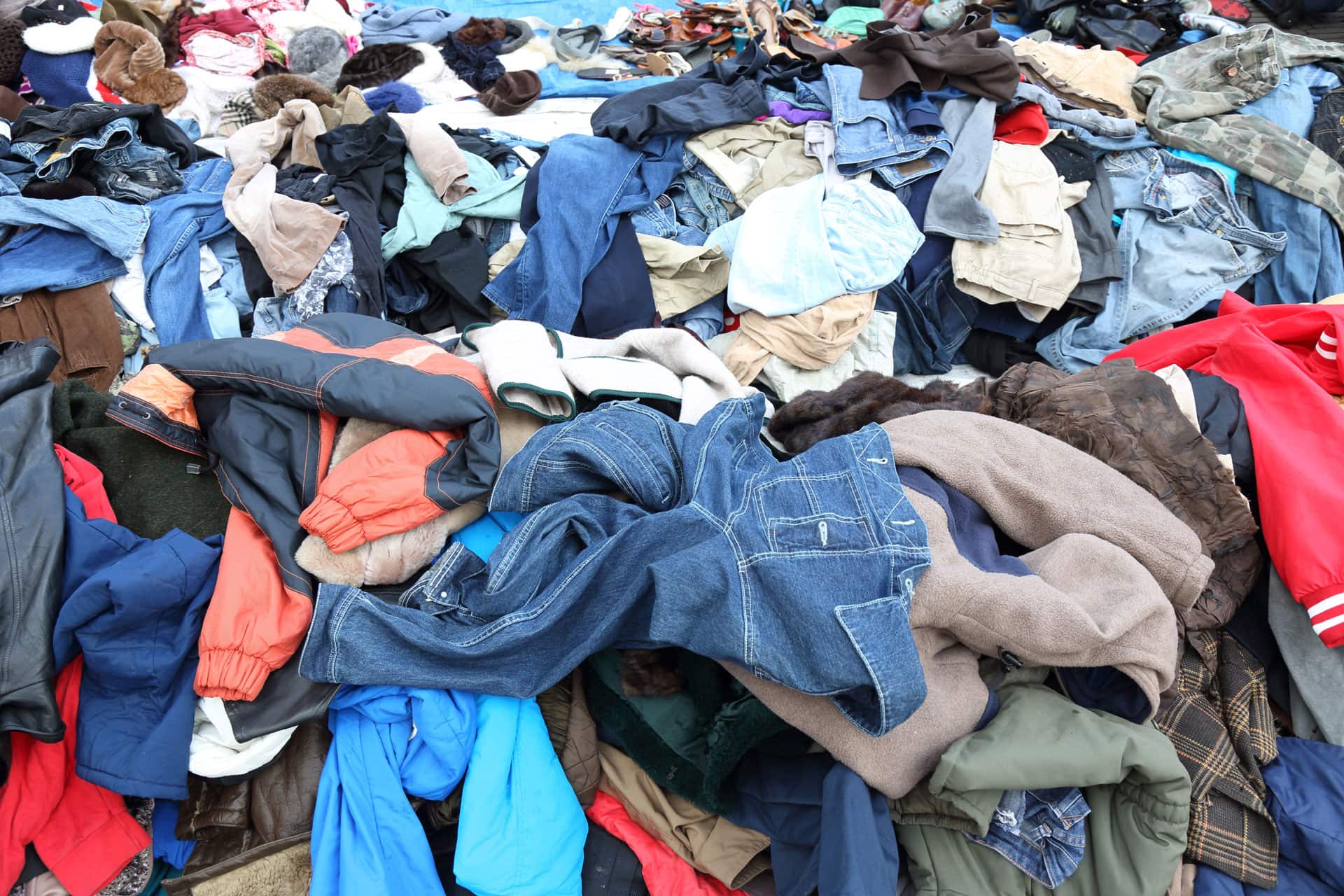
How can old textiles be sorted into high-quality categories and processed for recycling? Researchers at Joanneum Research are addressing this question in the StraTex project. Together with partners from research, the textile, clothing and recycling industries, they are testing methods for automatically identifying and separating fibres, plastics and mixed fabrics.
The advantages: Currently, textiles are often not recycled and large quantities of old textiles are disposed of unsorted or incinerated. Valuable fibres are lost. Separating textiles into different types of materials could help to keep more fabrics in circulation and reduce the environmental impact of the textile industry. Especially in times of ‘fast fashion’, this is an important contribution to the circular economy.
Paper-based electronics
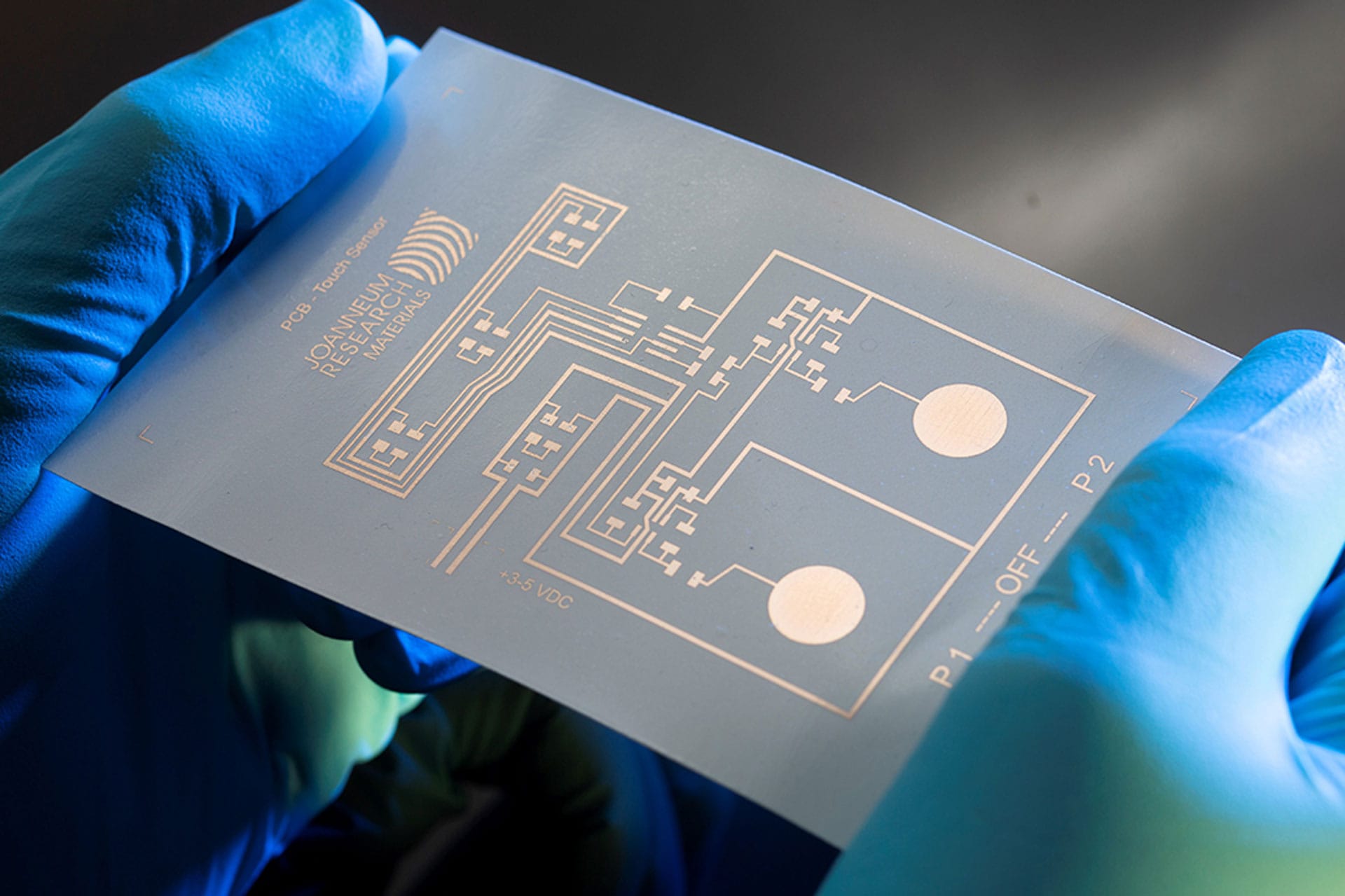
Electronic circuit boards that can be disposed of and recycled like paper – this is what our scientists are working on in the EU project CircEl-Paper. They are researching new cellulose-based materials, conductive inks and processes that enable stable and functional conductor tracks on paper. The aim is to develop electronics that can be processed in conventional paper recycling processes at the end of their life cycle, thereby recovering valuable materials.
The advantages: Paper-based circuit boards could be used wherever lightweight, cost-effective and sustainable electronics are required: in sensor systems for measuring blood sugar levels on the skin, packaging with time-temperature indicators or greeting cards that play music. They save resources, reduce recycling costs and facilitate recycling.
Scrap metal as a raw material
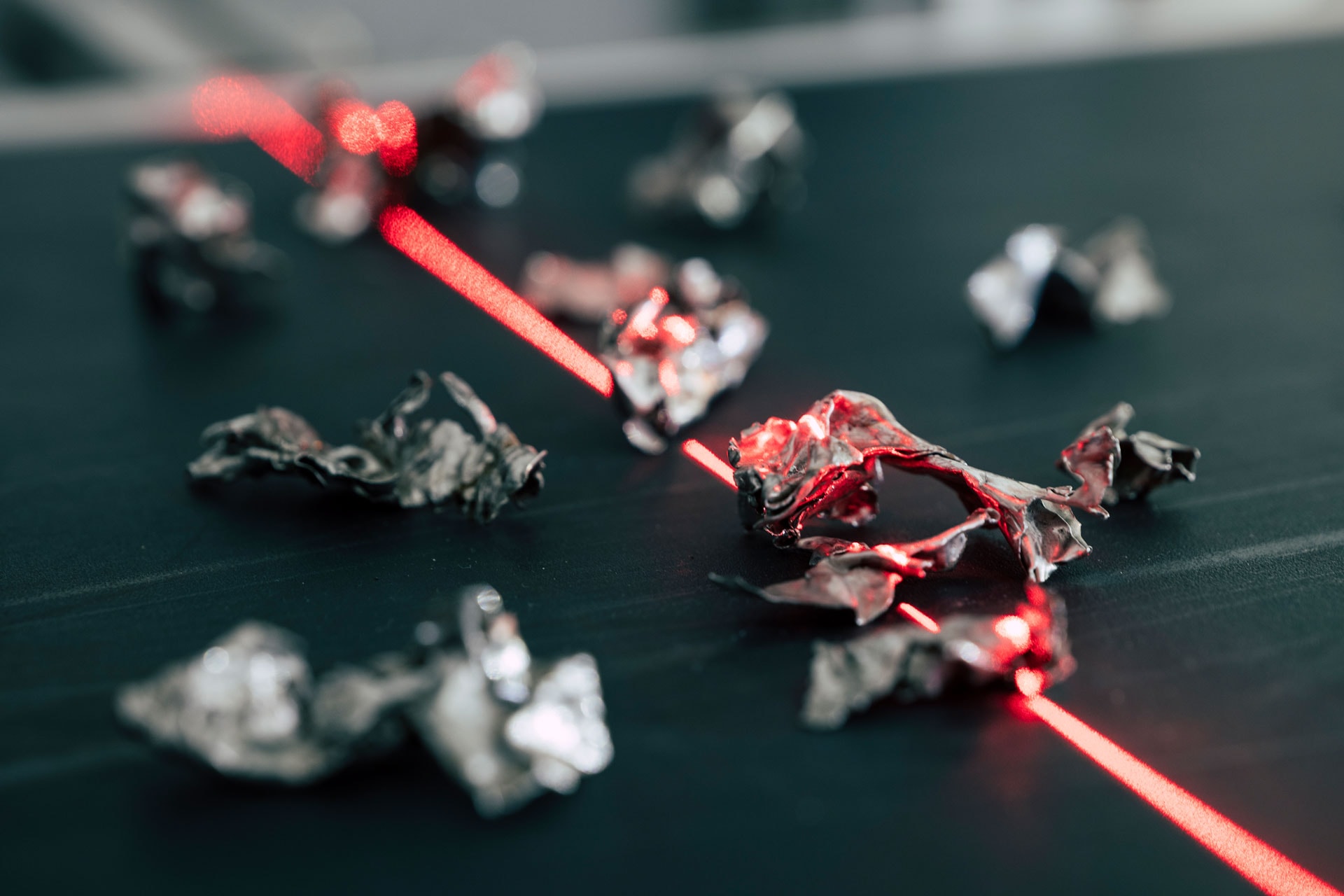
In the InSpecScrap project, our researchers explored new ways to accurately characterise steel scrap. Alloys and impurities are identified using hyperspectral analysis – a method that recognises materials based on their light signatures – and AI. This enables a much more accurate assessment of the scrap.
The advantages: scrap can be sorted more effectively and used in a targeted manner, which conserves resources and reduces CO₂ emissions by up to 75%. At the same time, the quality of recycled steel increases and industrial processes become more efficient, reliable and sustainable. This makes steel production an important component of the circular economy.
Alternative to silicon
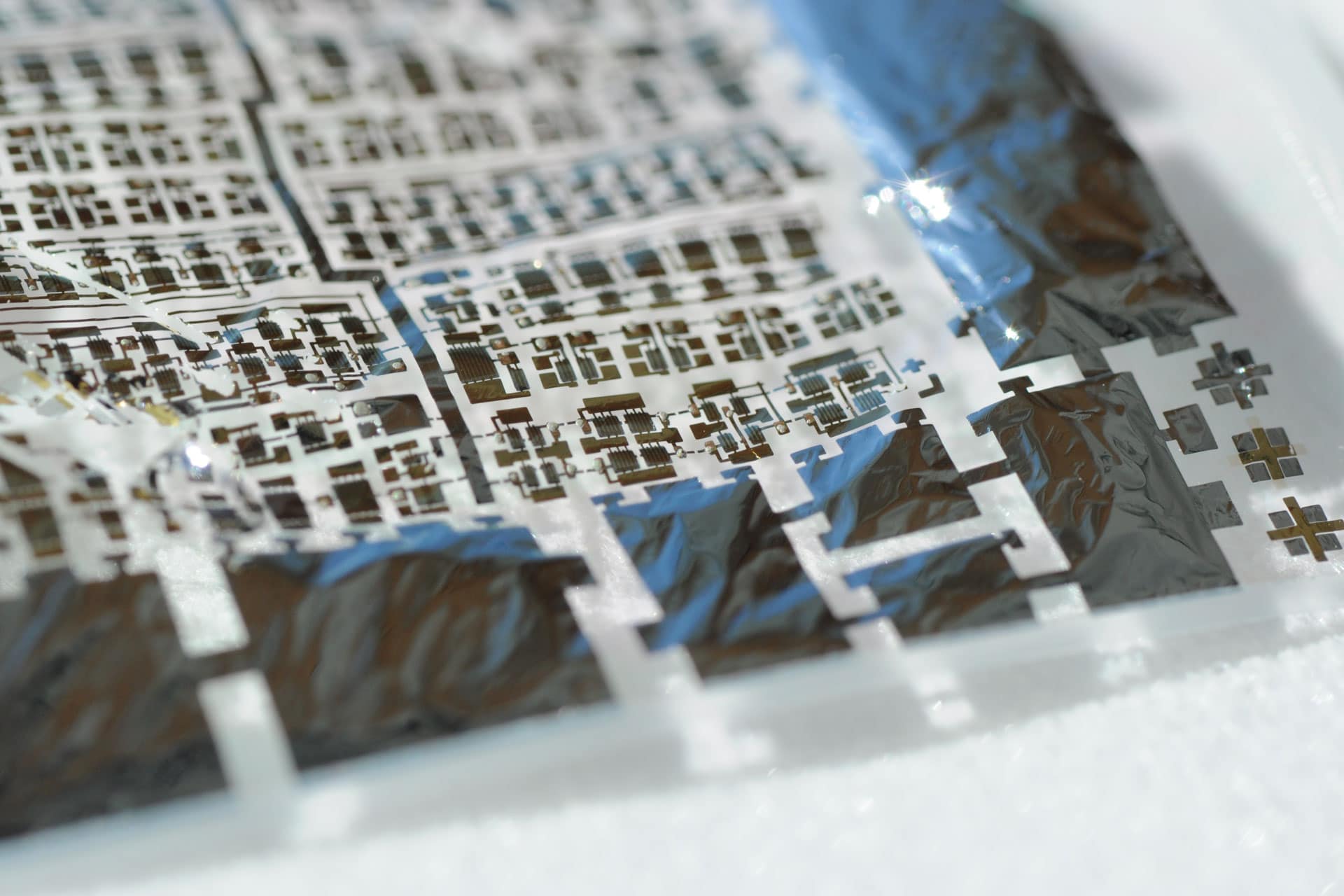
Whether in smartphones or laptops, silicon is at the heart of all electronics. However, the production of silicon chips is problematic – it consumes energy and rare materials and generates tonnes of toxic waste. At Joanneum Research, scientists are working on GreenOMorph, a project that uses organic materials instead of silicon.
The advantages: electronics that are cheaper and more environmentally friendly, and consume far less energy during manufacture and use. These innovative chips are made from plastic, gold and silver – without toxic substances and without high temperatures. Although their performance is lower than that of silicon-based chips, do we really need high-performance chips in a toaster or a smart lamp?
By Petra Mravlak
More
- KrAIsbau
- StraTex: FFG
- CircEl-Paper
- InSpecSrap
- GreenOMorph
- Circular Monday Österreich – Ressourcen Forum Austria