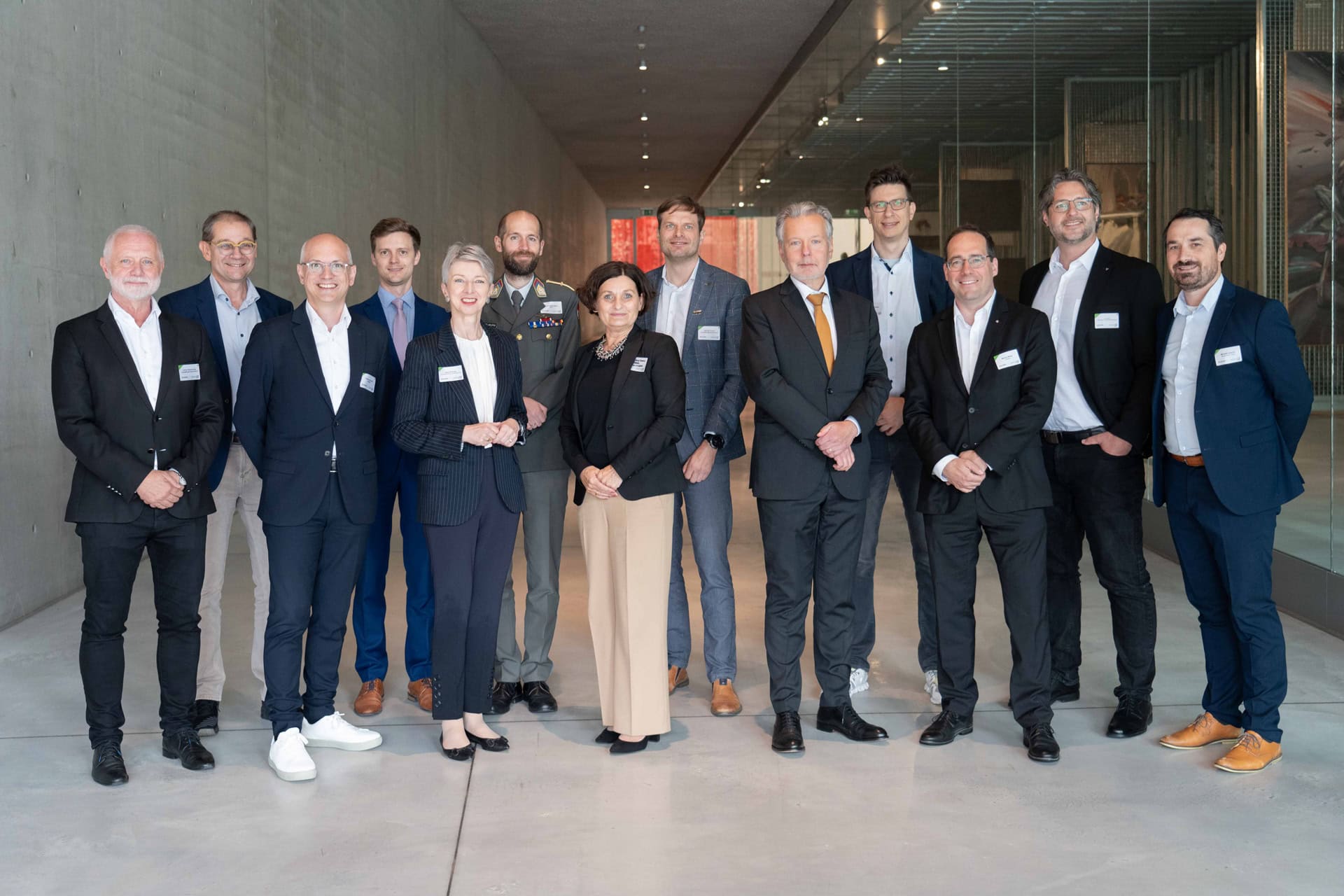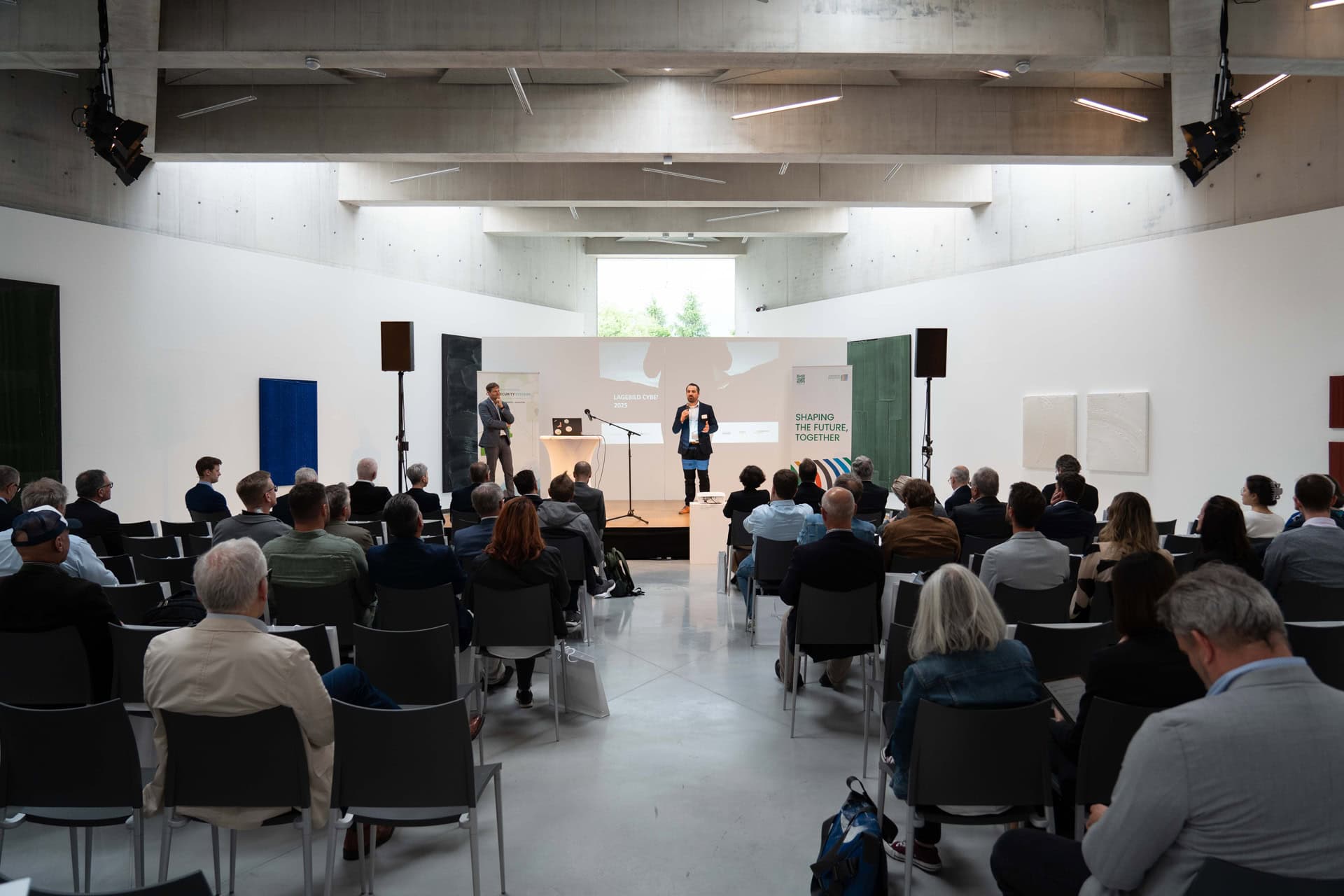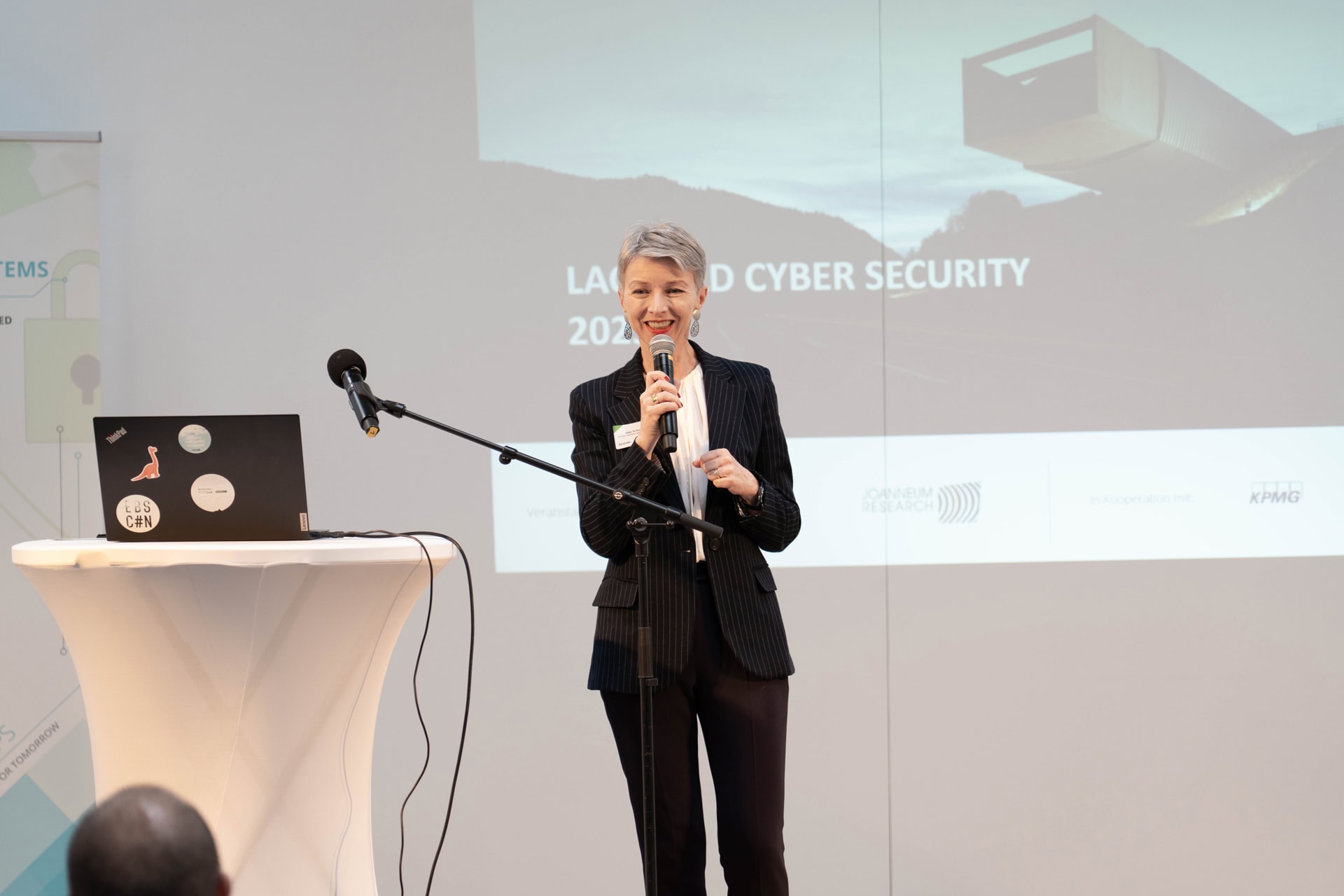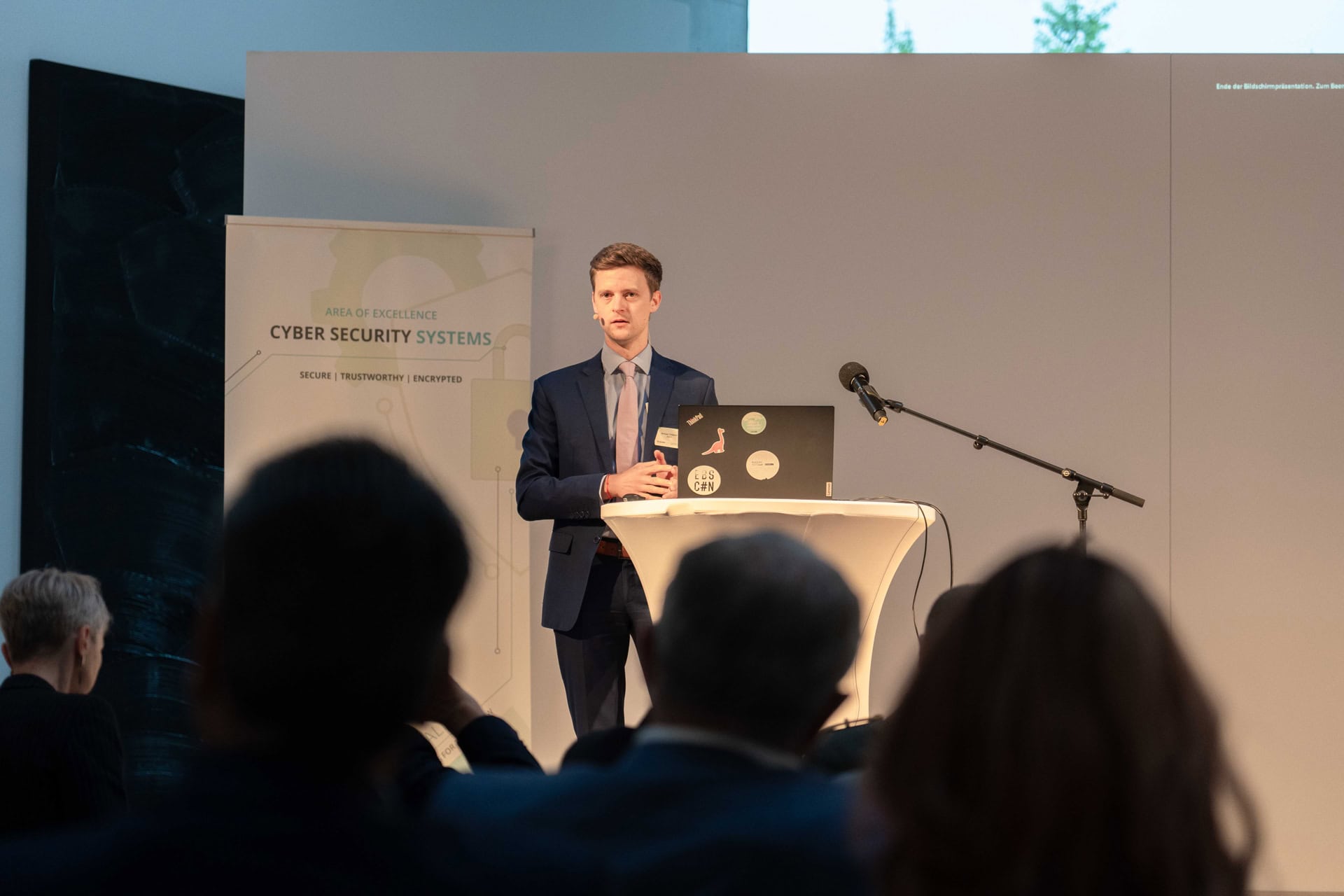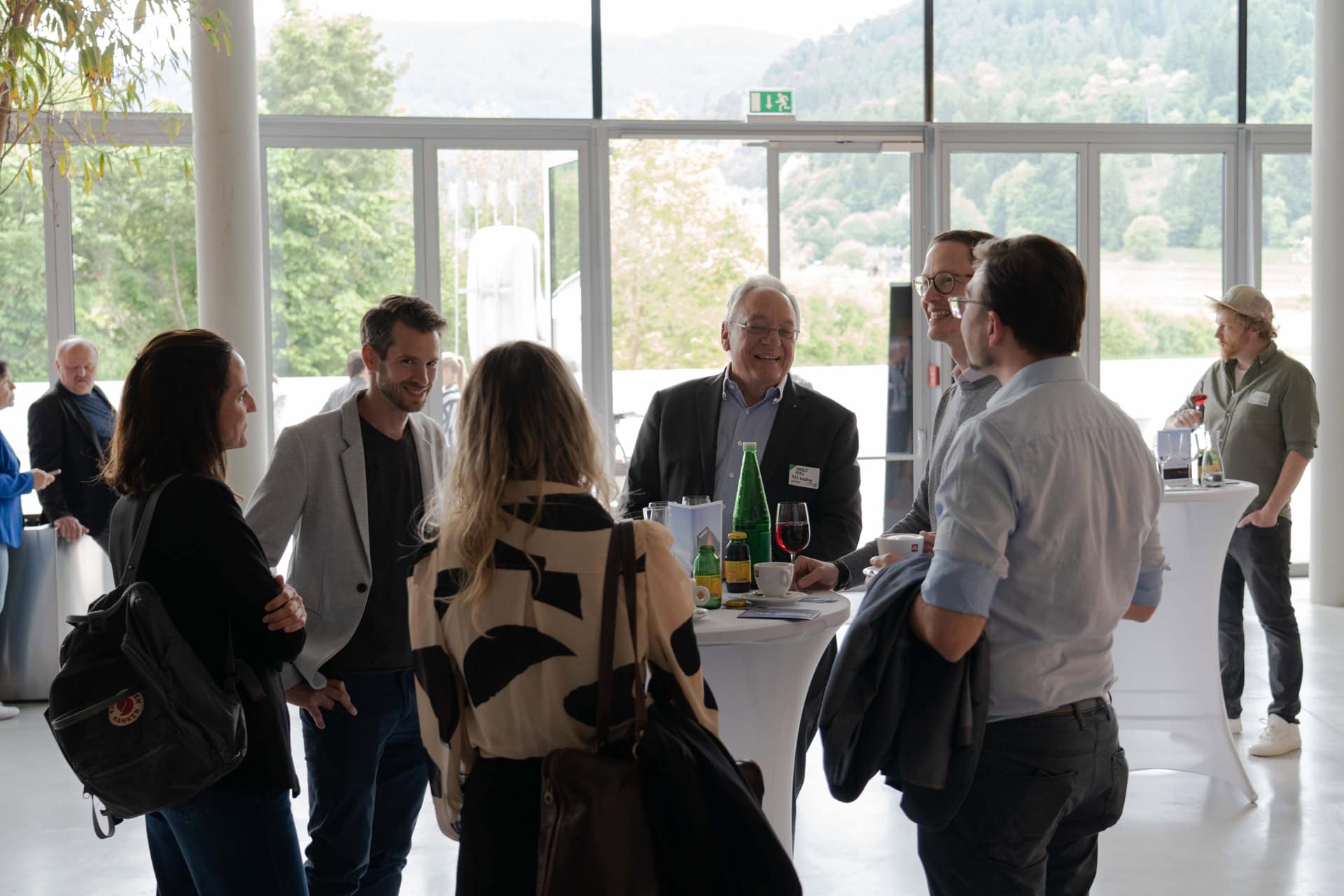


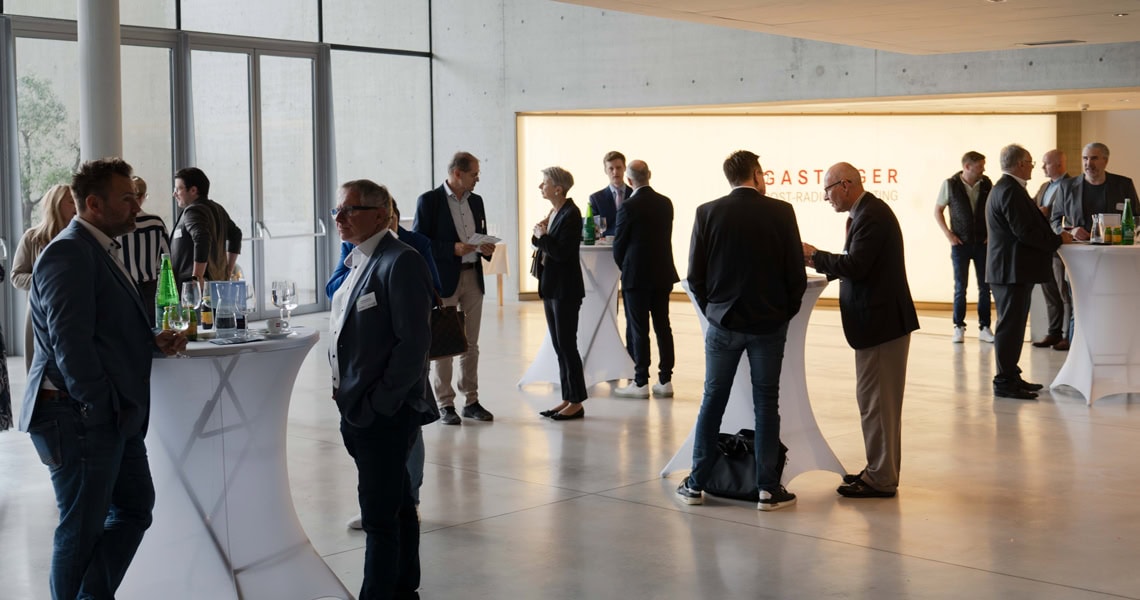
More than 150 interested parties gathered at the Liaunig Museum in Neuhaus, Carinthia, on 20 May to gain an up-to-date picture of Austria's situation in the field of cybersecurity. The presentation of the ‘Cybersecurity Situation Report’ was organised as a collaboration between JOANNEUM RESEARCH and the SILICON ALPS Cluster (SAC).
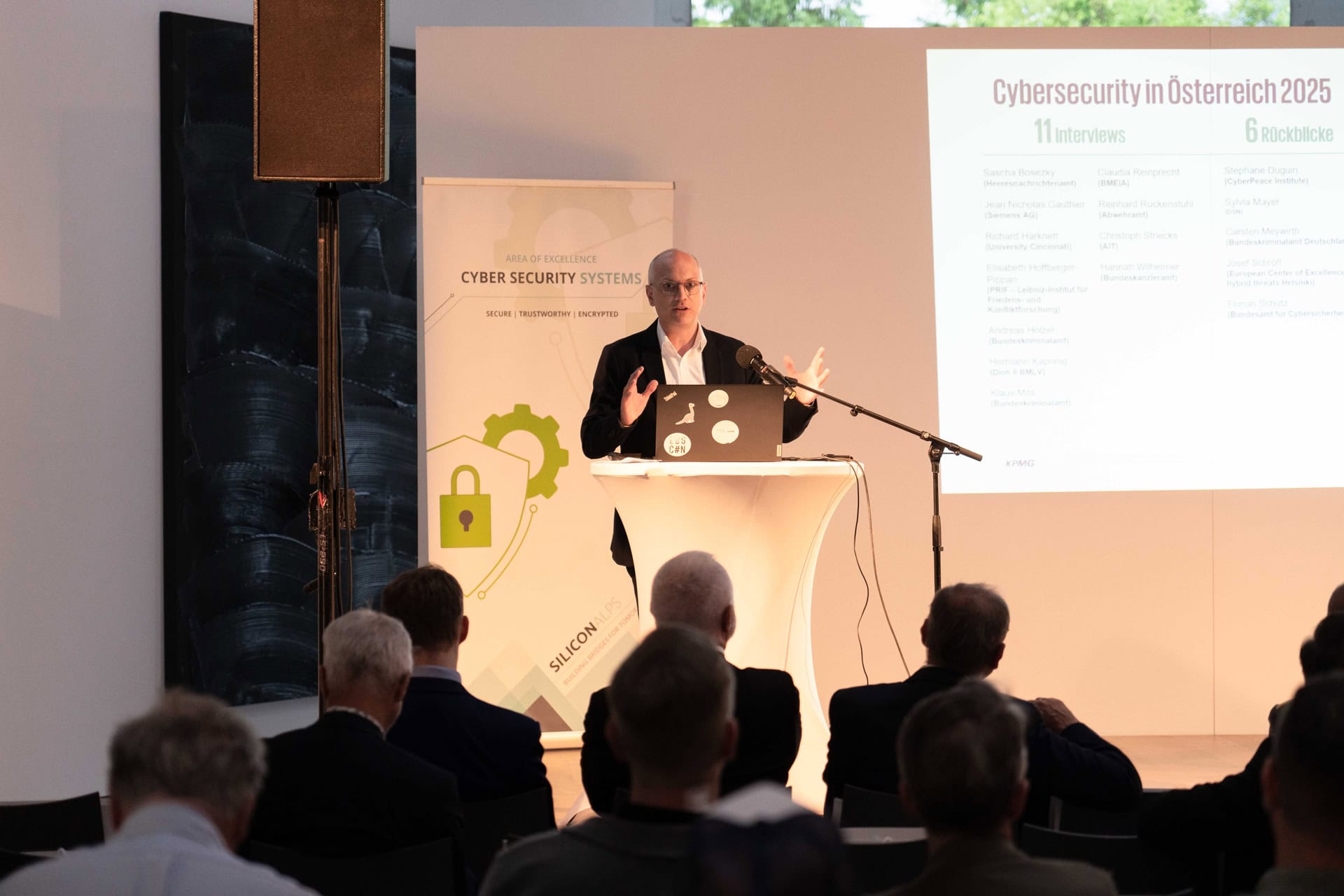
The situation is clear: attacks by state-sponsored actors have more than doubled compared to last year, companies' supply chains are being successfully targeted, and AI as a solution is not yet delivering on its promise, as detailed in the tenth edition of the study ‘Cybersecurity in Austria’ presented by Robert Lamprecht of KPMG Austria.
Artificial Intelligence (AI)
Matthias Rüther, Director of the DIGITAL Institute, moderated the event. "Our primary goal is to put cutting-edge research into practice. Technological developments in the field of AI are advancing at a rapid pace and now also enable misuse through cyber attacks. Through dialogue and knowledge exchange between research and industry, we are promoting the urgently needed awareness in society," said Rüther.
The companies and organisations in the SILICON ALPS cluster are European leaders in the field of cyber security systems thanks to their expertise. "Fake news, data espionage and the increasing number of cyber attacks on critical infrastructure and private companies show how important it is for our society to be secure in cyberspace in order to defend important European values and fundamental rights. New European directives such as NIS2, Dora and the Cyber Resilience Act are intended to help strengthen cyber resilience,‘ reports Michael Leopold, head of the ’Area of Excellence‘ (business unit) ’Cyber Security Systems" at the SILICON ALPS Cluster and one of Austria's leading experts on this topic.
Various aspects of cyber security
To kick things off, Michael Zinkanell from the Austrian Institute for European and Security Policy presented ‘The State of Cyber Security: Why Digital Threats Reflect Geopolitical Developments.’
Robert Lamprecht, partner in the cybersecurity division at KPMG, presented the findings of the brand new KPMG/KSÖ study 2025, ‘Cybersecurity in Austria.’ Key findings include: One in seven cyber attacks (14 percent) in Austria is successful. More than one in four attacks (28 percent) can be traced back to state-sponsored actors. One in ten social engineering attempts (10 percent) already uses deepfake technologies for voice and video messages. For the anniversary edition of the study by KPMG in cooperation with the Security Forum Digital Economy of the Competence Centre Secure Austria (KSÖ), 1,391 domestic companies were surveyed.
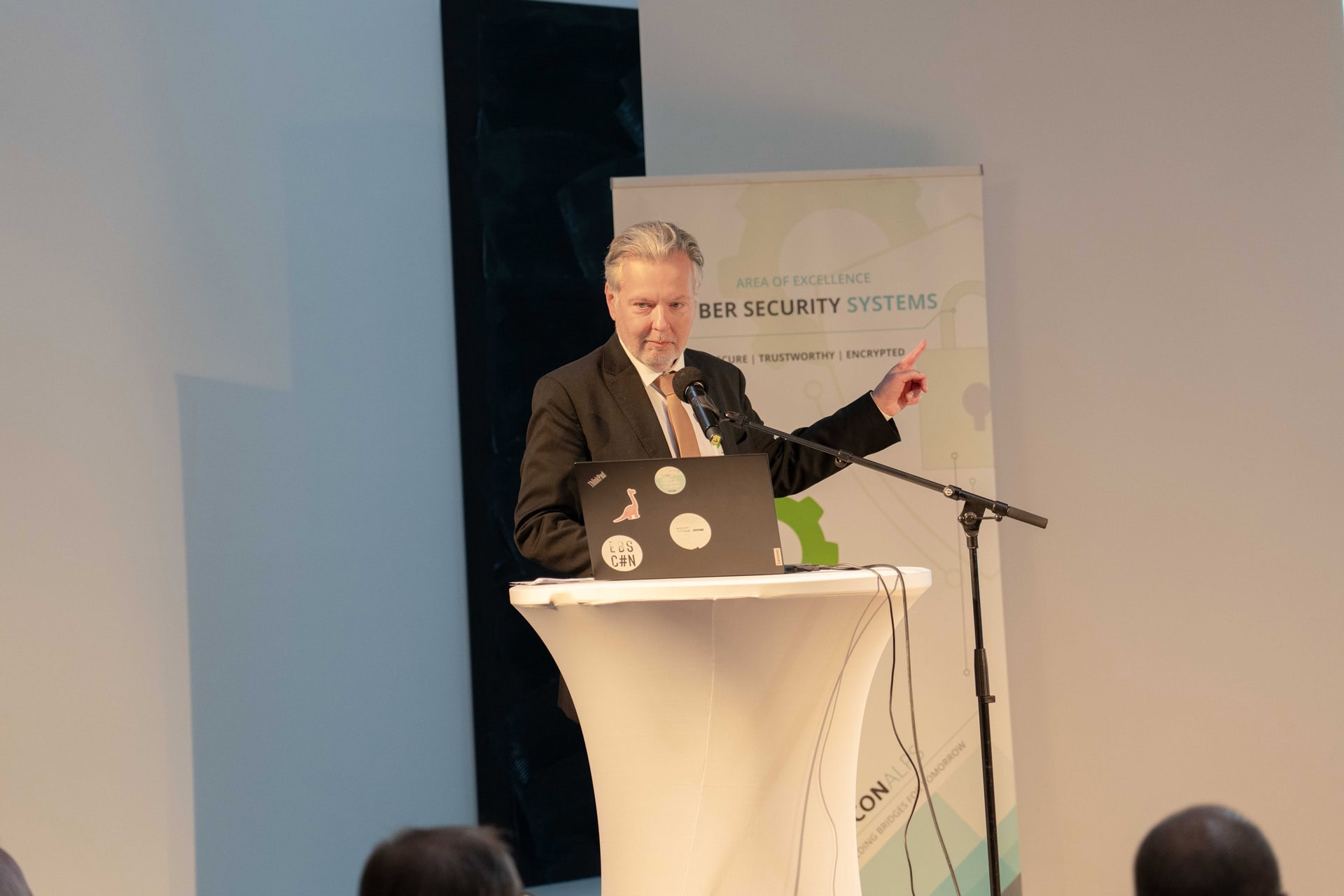
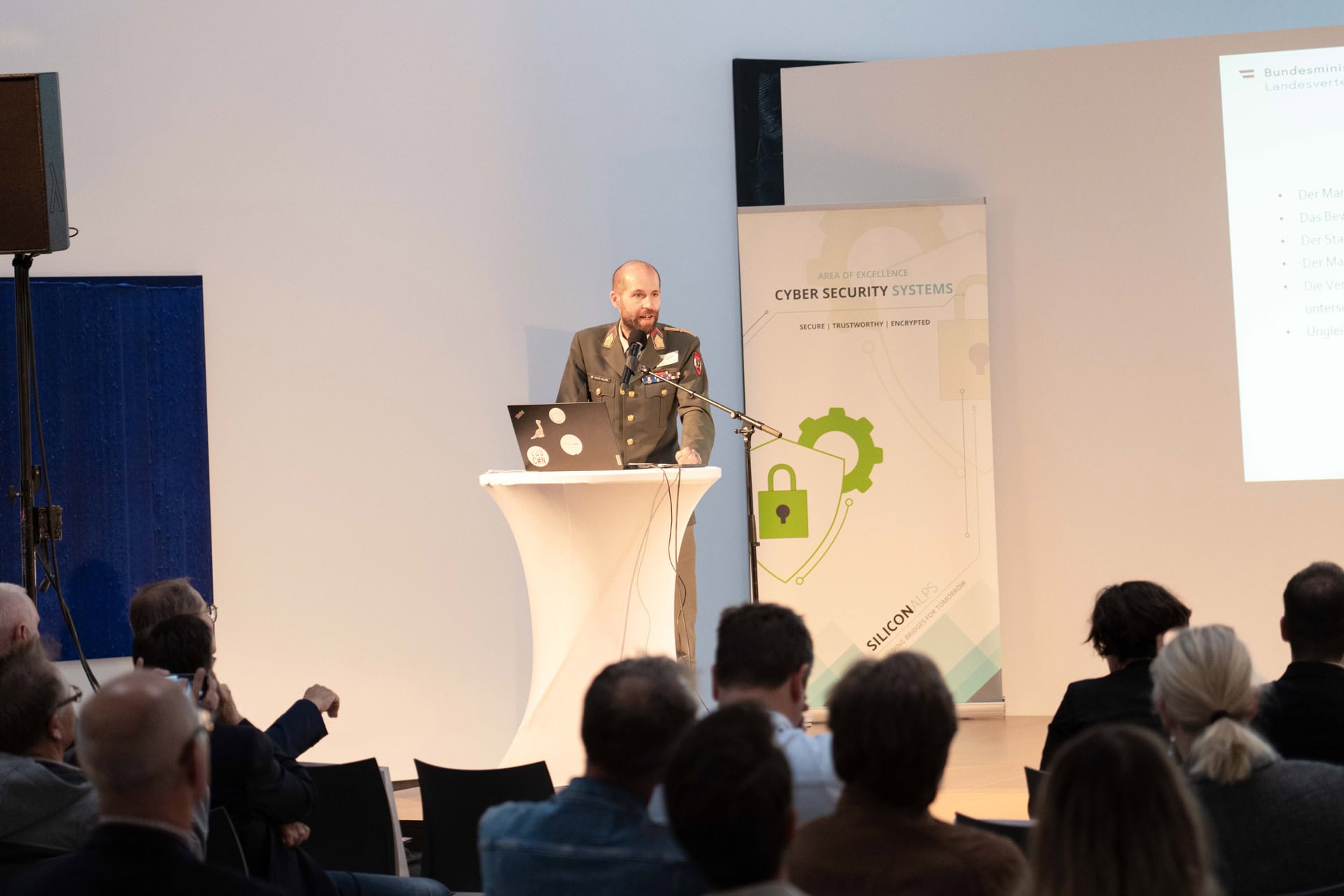
The keynote speeches addressed a range of topics related to security and the protection of digital sovereignty in Austria and Europe: Gerald Hesztera from the Austrian Ministry of the Interior spoke on ‘Phishing, fake news, hybrid threats: living in a brave new world.’ Daniel Hikes-Wurm from the Ministry of Defence addressed the exciting topic of ‘Europe's new self-confidence?! The struggle for digital sovereignty.’
Panel discussion
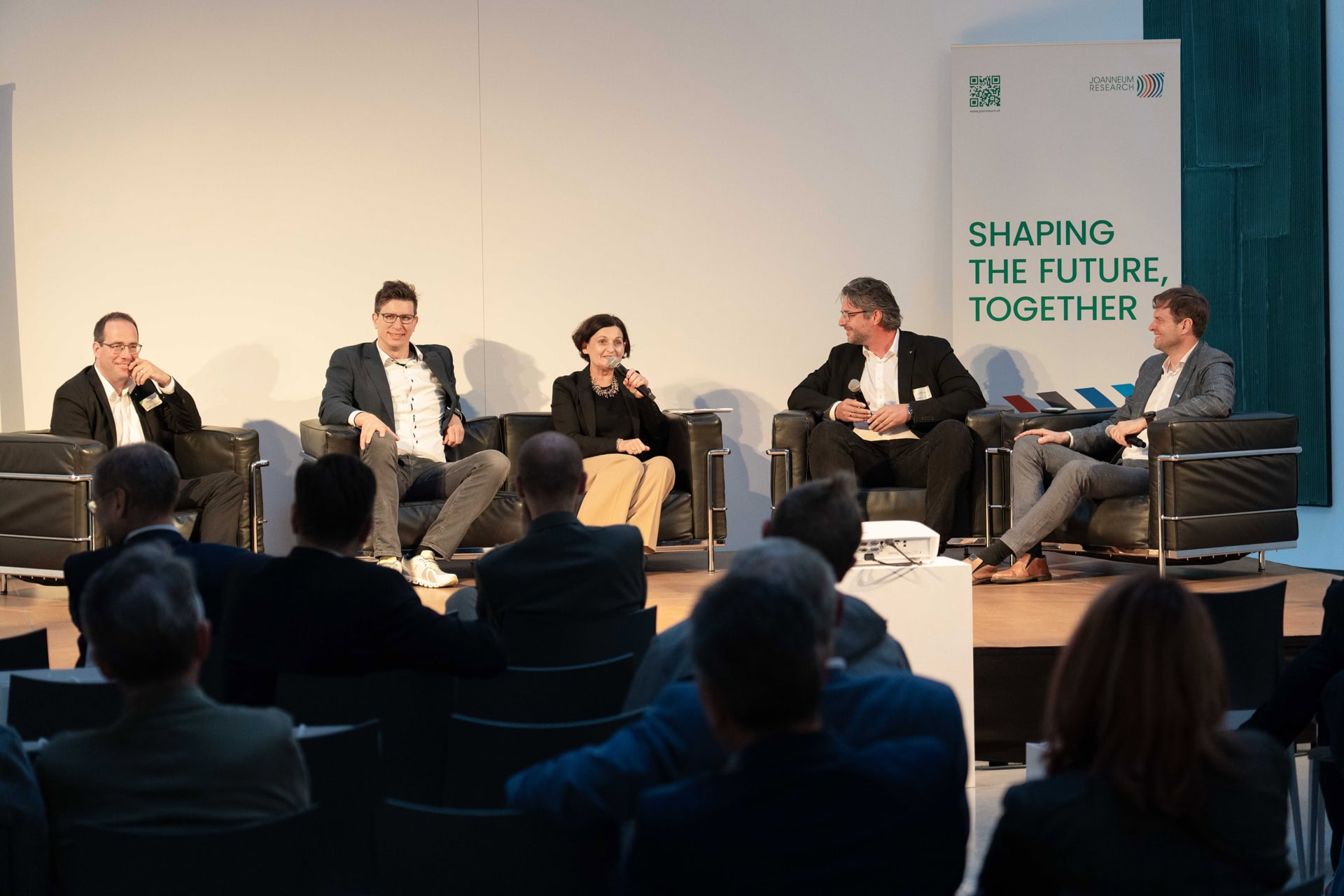
The event concluded with an expert discussion featuring Andrea Höglinger (Graz University of Technology), Martin Czaputa (KELAG AG), Markus Moser (Axtesys & IT Community Styria) and Harald Klary (Kärntner Landesversicherung – KLV) on the topic of ‘Challenges and prospects in the field of cyber security’.
"The threats and actions in the virtual space mirror events in real life. Among other things, our speakers reported on how developments in the cyber domain, such as attacks on critical infrastructure, could be observed in the run-up to Russia's invasion of Ukraine, even before physical attacks were launched. Disinformation campaigns by state actors also play a major role. The experts at our event showed how such developments can be countered," reports cluster expert Michael Leopold.
Die Veranstaltung wurde vom SILICON ALPS Cluster in Kooperation mit JOANNEUM RESEARCH organisiert. Kooperationspartner sind KPMG Austria, KSÖ – Kompetenzzentrum Sicheres Österreich, Museum Liaunig und die Industriellenvereinigung Kärnten