


An overview
Digitalisation and artificial intelligence permeate all areas of public and private life. They offer opportunities, but at the same time increase the vulnerability to threats. Who are the perpetrators of these attacks? First and foremost is organised crime, followed by state-sponsored actors and suppliers. What methods are used? Malware and phishing attacks are neck and neck, followed by scam calls, business email compromise (CEO/CFO fraud) and denial-of-service attacks. For companies, education about and investment in cybersecurity are essential factors. The industries most affected are the automotive, energy and chemical industries, followed by the public sector and tourism.
Cyberkriminelle nutzen Schwachstellen in Echtzeit, missbrauchen Lieferketten und manipulieren Daten.
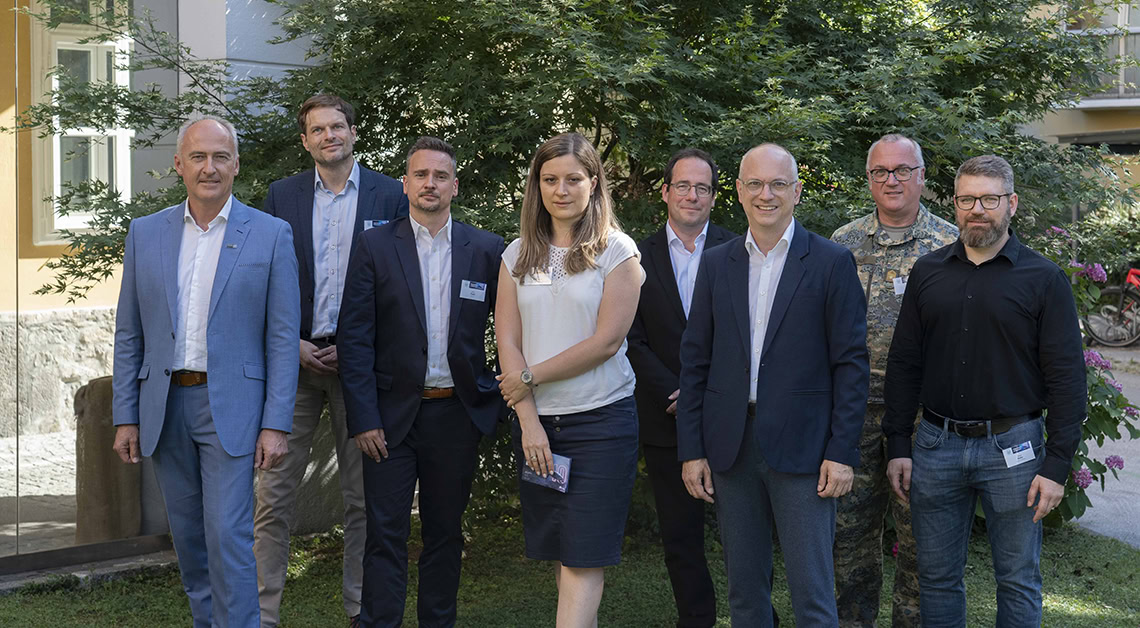
The following speakers also reported on this Vortragende:
- Robert Lamprecht (Partner für Cybersecurity KPMG Austria): KPMG/KSÖ Studie 2025 „Cybersecurity in Österreich“
- Branka Stojanovic (Kompetenzgruppe Resiliente Netzwerke und Systeme, JOANNEUM RESEARCH DIGITAL): Kritisch, aber verwundbar: Die Cybersecurity-Herausforderungen in OT-Systemen
- Markus Moser (CEO Axtesys & IT Community Styria): Cyber Security im Spannungsfeld Digitale Souveränität
- Michael Freidl (Leitung Data Lab IDea_Lab): Missbrauch von Sprachmodellen zur Desinformation
- Andreas Reiter (Senior Key Expert für Cybersecurity Siemens AG Österreich): OT-Security: Herausforderungen aus Herstellerperspektive
Die wichtigsten Aussagen zur Studie:
- One in seven cyber attacks in Austria is successful.
- More than one in four attacks (28%) can be attributed to state-sponsored actors.
- One in three companies (32%) reported that suppliers or service providers had been victims of cyber attacks that had a significant impact on their own business.
- 62% were able to identify cyber attacks with the help of their own employees – ahead of technical solutions and systems.
- One in ten social engineering attempts already uses deepfakes for voice and video messages.
- 17% say that AI has improved cybersecurity. AI has therefore not yet delivered the hoped-for progress.
- 55% say that Austria is not well prepared to respond to serious cyber attacks against critical infrastructure.
- 60% would prefer to use security solutions from Austrian companies – an increase of 23% over the previous year.
The event was organised by the SILICON ALPS Cluster in cooperation with JOANNEUM RESEARCH. Cooperation partners are KPMG Austria & KSÖ.