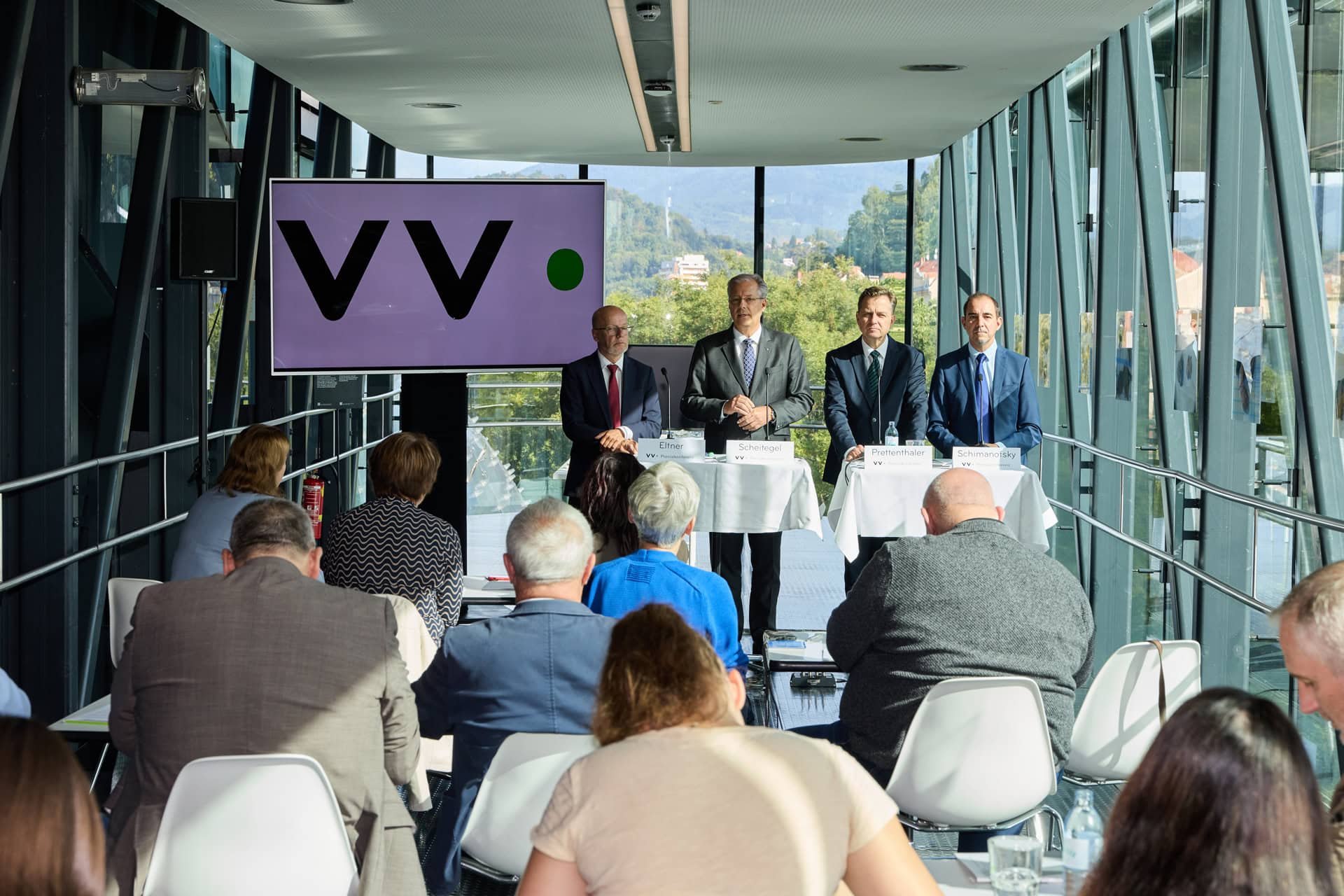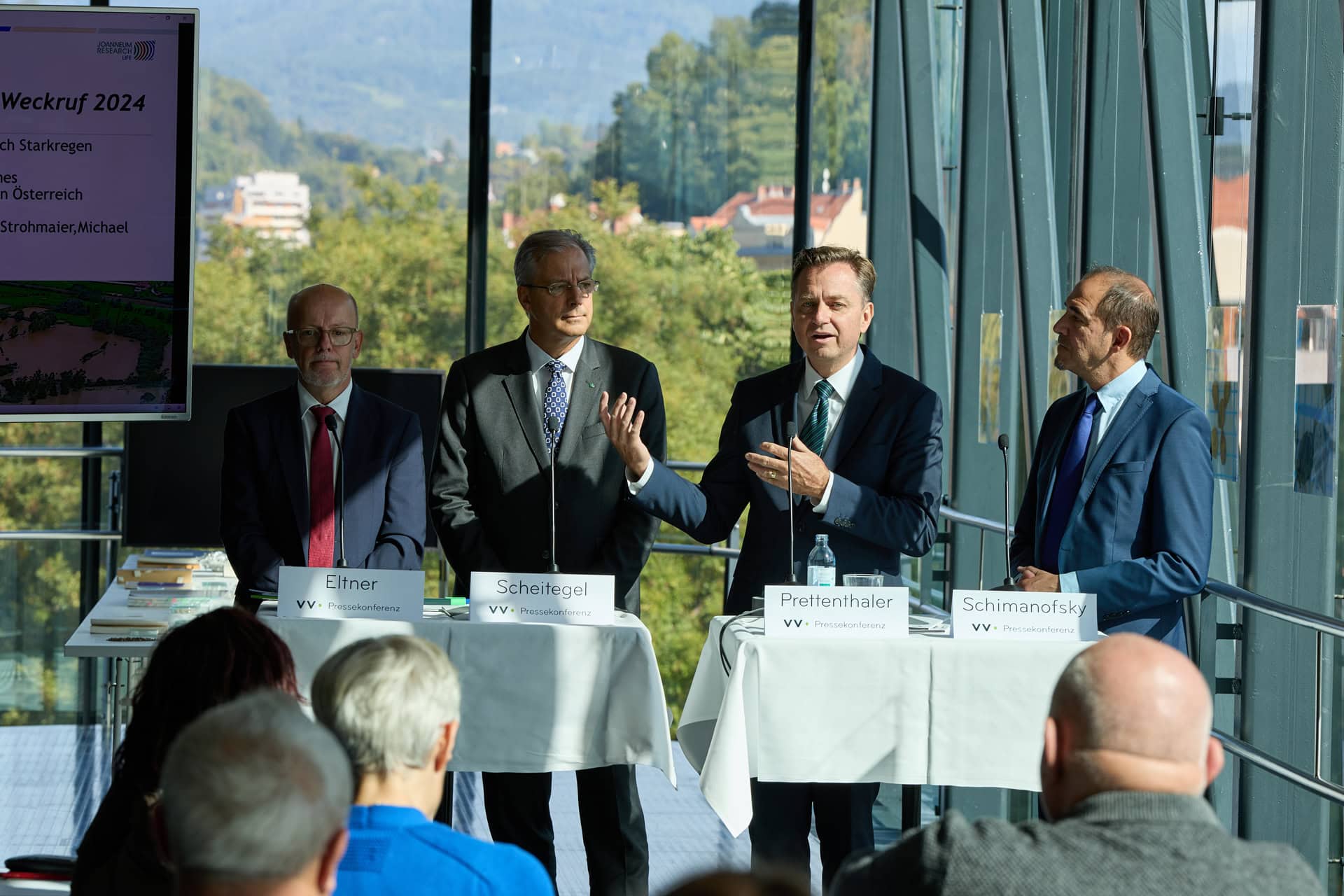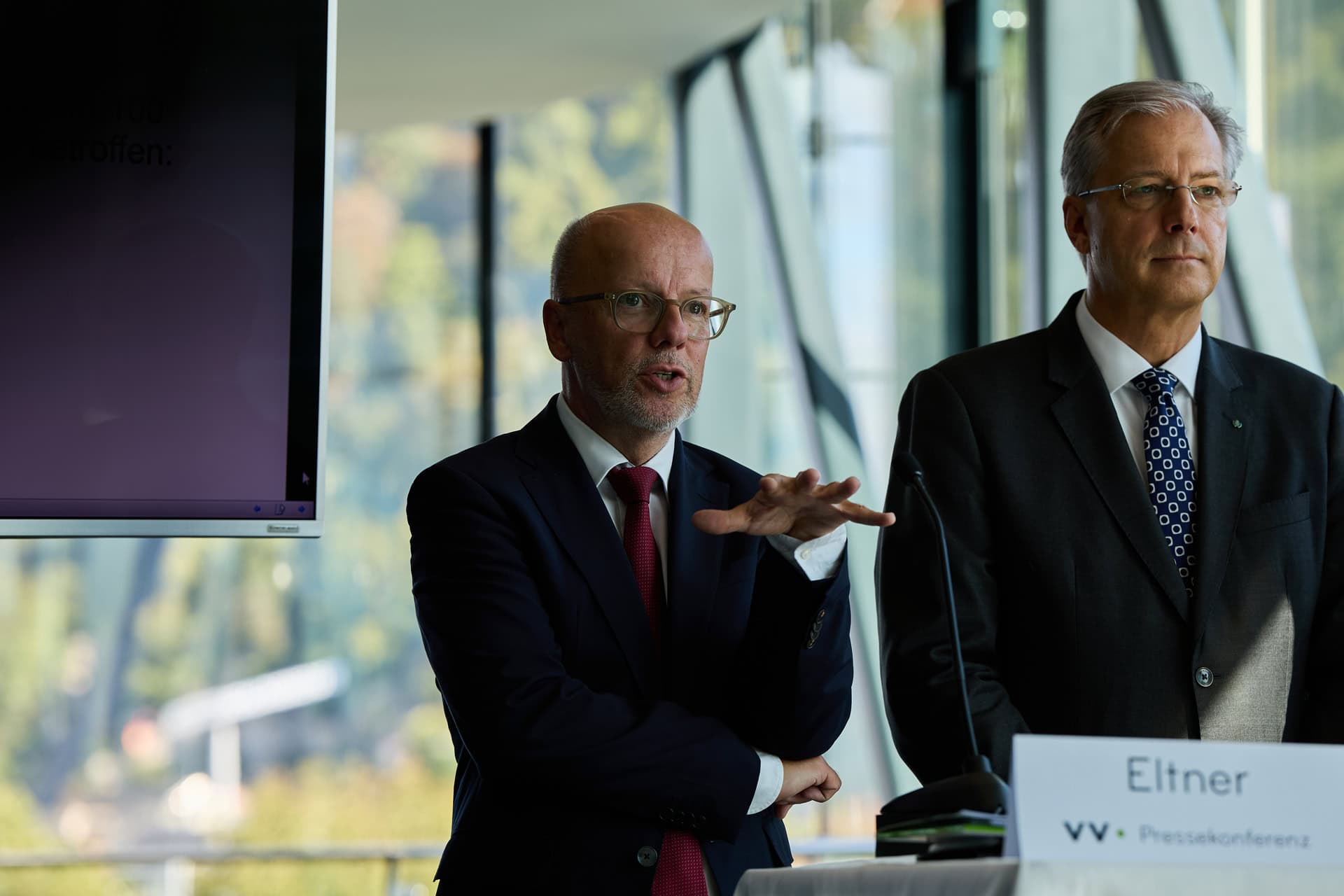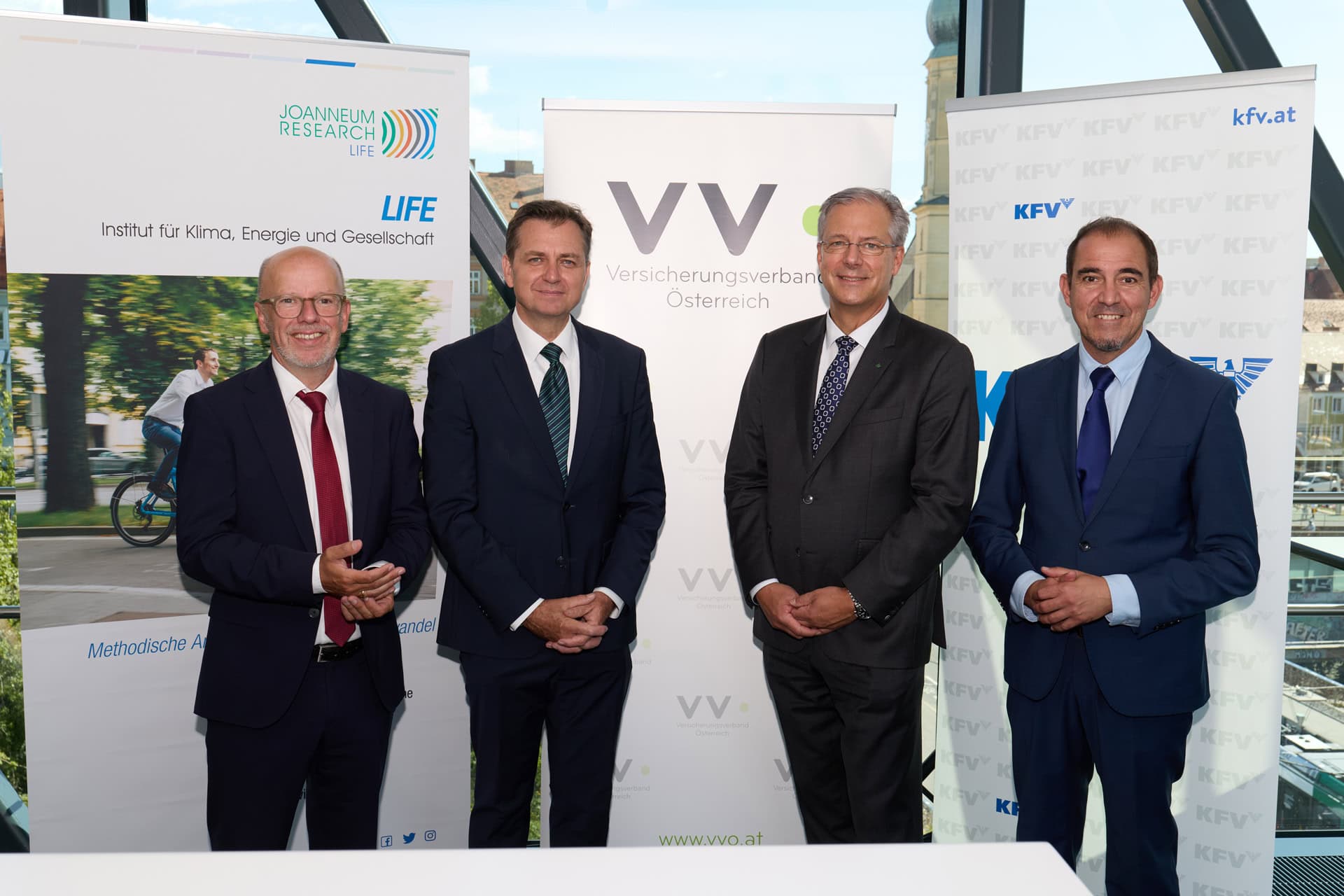


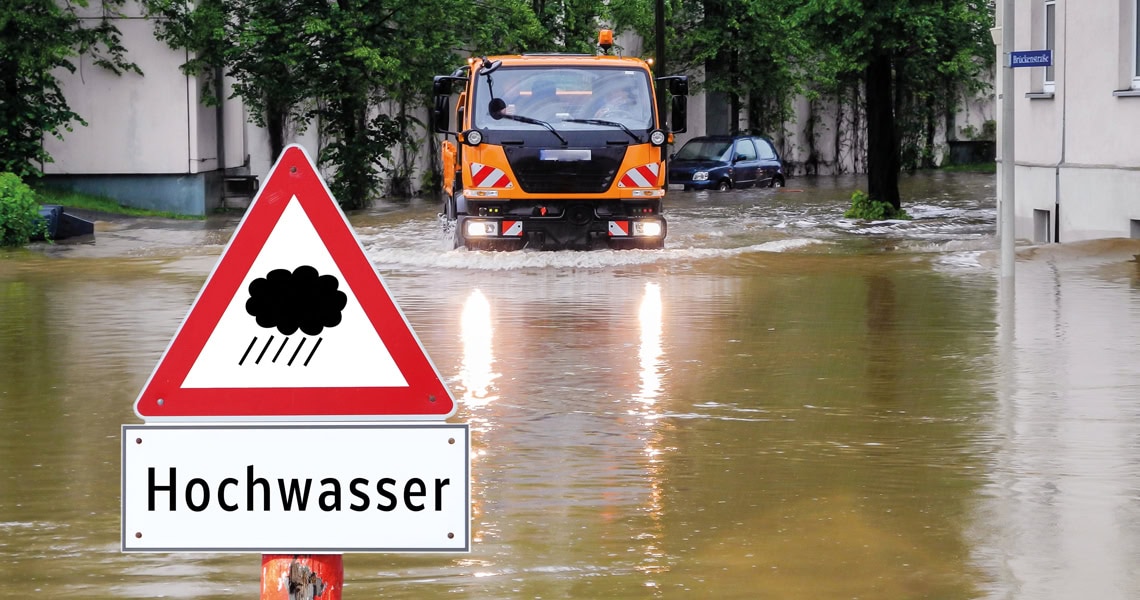
The damage caused by natural disasters in Austria was particularly high last year. On a long-term average, insured losses due to natural disasters in Austria amount to over one billion euros per year. This is a trend that highlights the urgent need for action. Despite increasing risks, the population remains inadequately prepared. "Climate change is evident and has long since been given a price tag. In 2024, we recorded a new high of insured losses amounting to 1.7 billion euros. This trend will continue in the long term, as Austria is particularly exposed to natural hazards due to its topographical location. Increasingly, it is not just a question of river flooding, but of heavy rainfall events that can affect anyone. The financial burden on those affected is considerable. The insurance industry can be part of the solution and play its part in protecting the Austrian population," says Christian Eltner, Secretary General of the Association of Austrian Insurance Companies (VVO).
Extreme weather damage on the rise
The extent of extreme weather damage reached a new level worldwide last year, at 320 billion dollars, almost double the 30-year average. The trend is also clearly visible in Austria: natural disasters cause insured damage averaging over one billion euros every year in this country. This does not include individual major events, such as the flood of the century in autumn 2024. Combined with increasing development and higher population density in Austria, a further increase in damage events is to be expected. While this development is progressing rapidly, Austria is slow to prepare ‘The risks are still greatly underestimated. It is not only individual regions far away from where we live that are at risk, but all federal states equally. I would therefore urge all Austrians to take severe weather warnings seriously and to make the necessary preparations in case of an emergency,’ appeals Klaus Scheitegel, Vice-President of the VVO.
HORA interactive hazard map
Effective protection against natural hazards requires more than just raising awareness among the population. What is needed is a package of well-coordinated measures that can be implemented at several levels. In addition to providing sustainable protection throughout Austria, prevention in particular must be established as a central component. The interactive hazard map HORA, which shows natural hazards for every location in Austria, provides excellent support in this regard. The digital application is an internationally recognised showcase project and has won several awards. Last year, HORA was awarded the eAward 2024 and HORA 3D received the State Prize for Climate Change Adaptation. In June 2025, HORA was honoured with the Austrian Administration Award 2025 in the category of ecological sustainability, energy efficiency and climate protection.
Personal care and prevention
There is considerable untapped potential in the area of personal preparedness in particular: according to a recent KFV survey, 61 per cent of the population feel that they are not prepared or are inadequately prepared for natural disasters. This figure illustrates that although awareness of personal responsibility in the event of a disaster is growing, it is not yet being sufficiently translated into concrete preparedness measures. According to the majority of respondents, measures to minimise risk should be taken by the respective municipality of residence (68 per cent), followed by the federal government (50 per cent), the responsible district (48 per cent) and disaster control (42 per cent). Personal responsibility, on the other hand, lags far behind: only 38 per cent of the citizens surveyed see themselves as responsible for disaster prevention (multiple answers were possible). ‘Personal preparedness is extremely important in the event of a disaster,’ emphasises Christian Schimanofsky, Director of the KFV prevention institution. ‘Even the smallest preventive measure, if applied correctly, is more useful than doing nothing at all.’
Prevention has been proven to help minimise damage.
Franz Prettenthaler, Director of JOANNEUM RESEARCH LIFE, confirms the urgency of the problem: ‘Unfortunately, there is still a widespread impression in Austria that the disaster fund can cover all damages in the event of an emergency. In fact, our country needs further clear prevention and climate protection strategies. Europe is disproportionately affected by these developments – especially the Alpine regions and thus also Austria.’
This is also due to the topography: the high mountain ranges store more heat. This leads to more precipitation, because with every degree of warming, the air can absorb 6 to 7 per cent more water. In a warmer climate, the risk of heavy rain and large amounts of precipitation therefore increases. "Raising awareness among everyone is an essential aspect of adapting to climate change. We are not sufficiently aware that, as a society, we can expect flood damage averaging between 240 and 285 million euros annually. This can be significantly reduced through more prevention. Let's strengthen the public's awareness of the urgency of the situation, even beyond acute major damage events," concludes Prettenthaler.
Mehr Information: Präsentation von Franz Prettenthaler
More
- LIFE Institute
- Verband der Versicherungsunternehmen Österreichs (VVO)
- Kuratorium für Verkehrssicherheit (KFV)
- Gefahrenlandkarate HORA