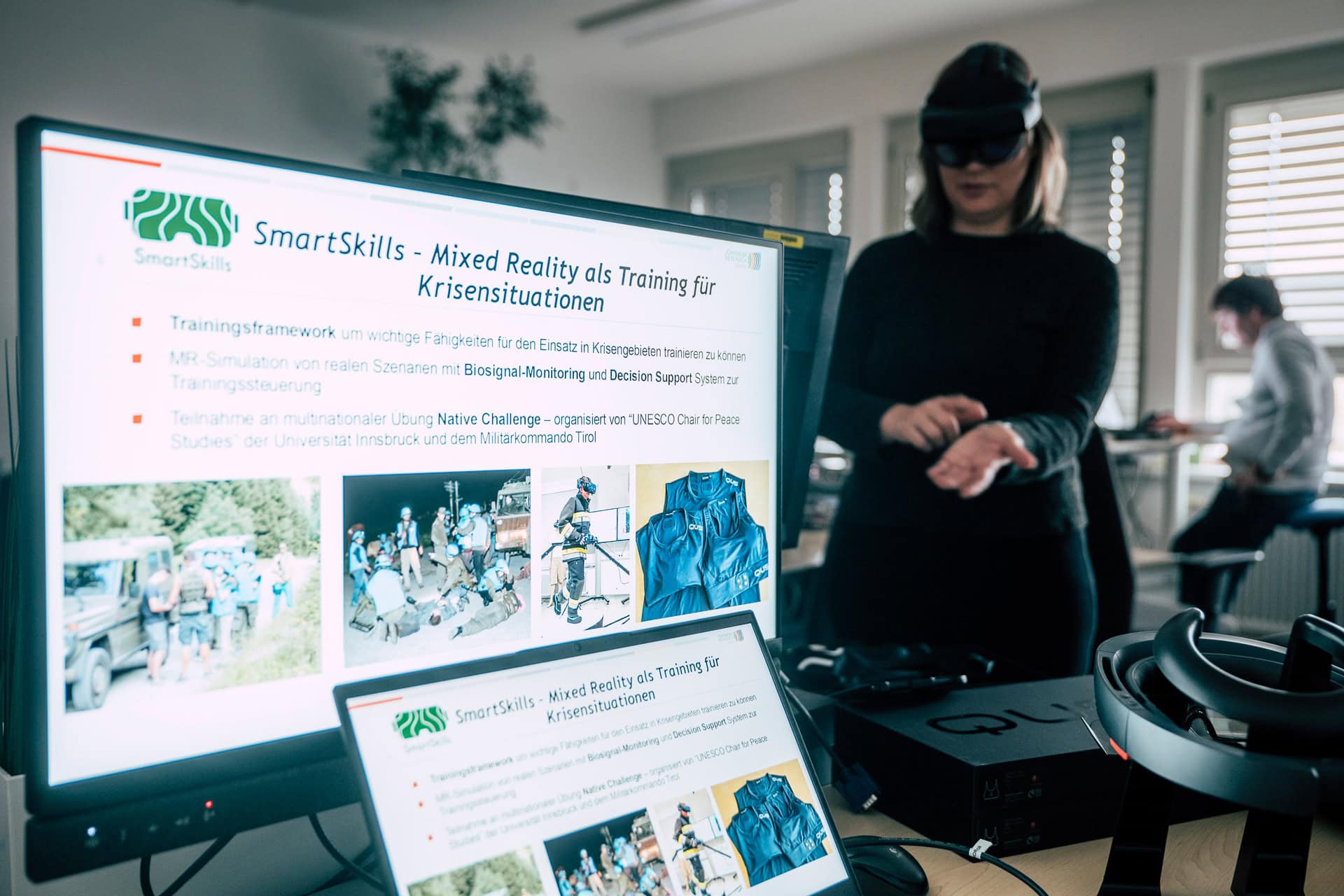


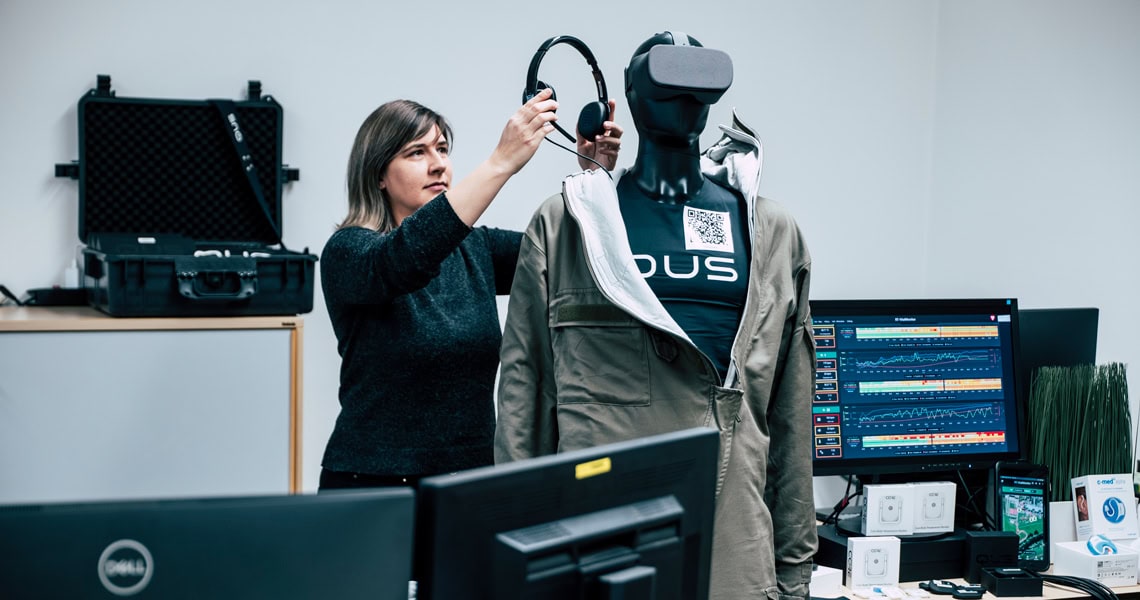
Extreme operational conditions call for peak physical performance, whether in military operations, firefighting, or high-risk professions. As part of the RT-VitalMonitor project, a team at DIGITAL is developing a wearable monitoring system that measures vital signs in real time and is able to provide early warnings of overexertion.
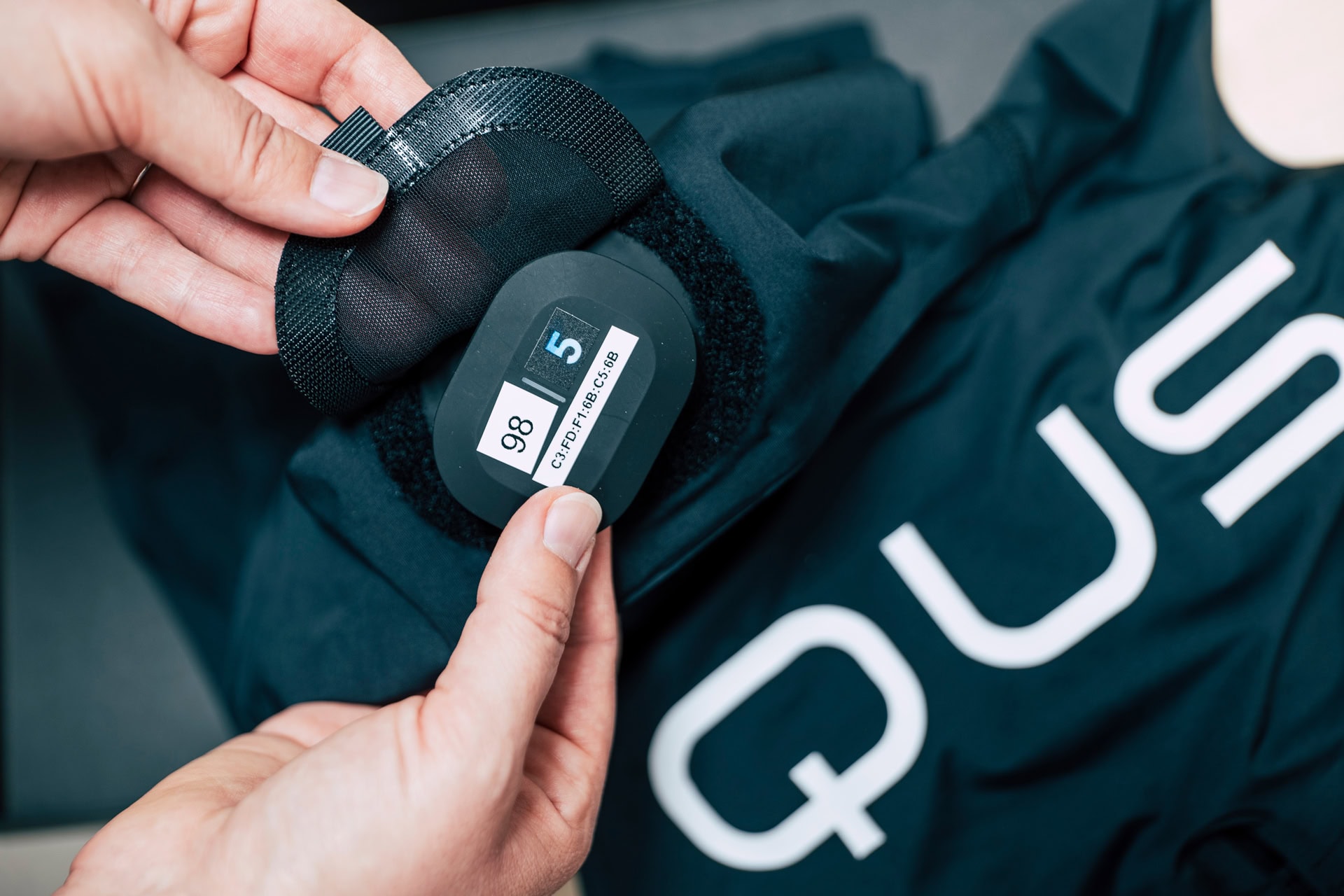
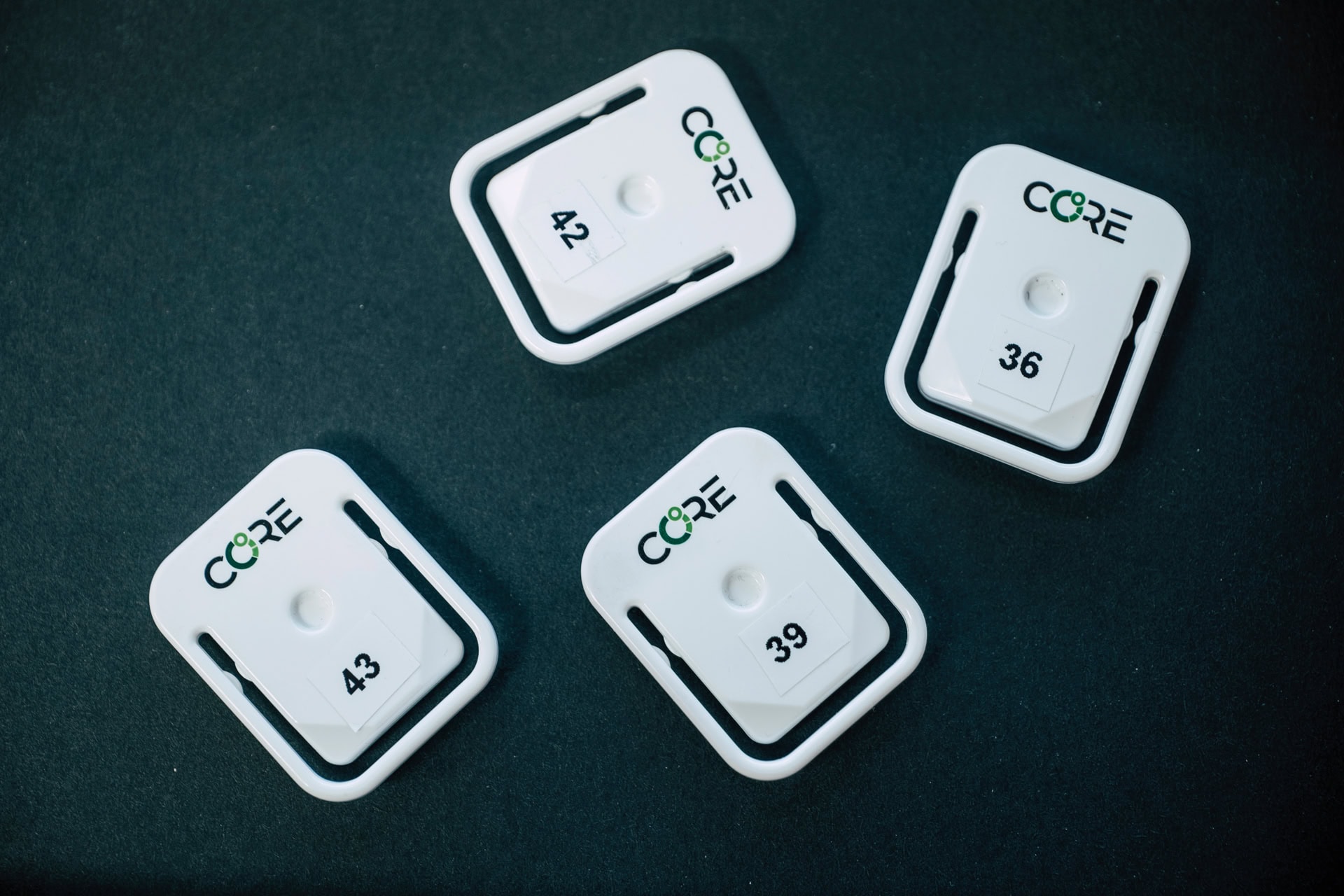
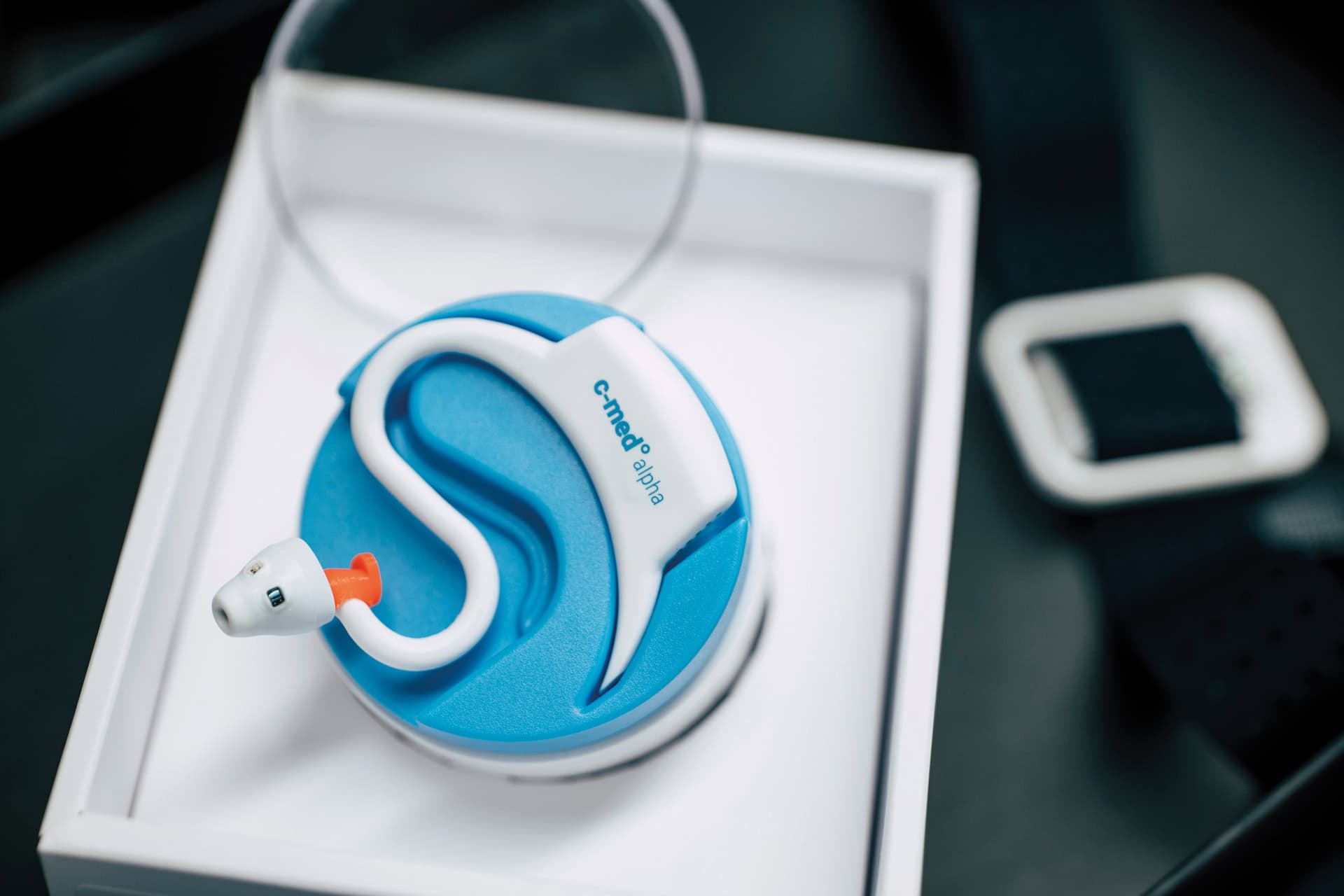
Although Anna Weber has since moved to the Digital Twin Lab, she will continue to work on the RT-VitalMonitor project, conducted in collaboration with the Austrian Armed Forces (ÖBH), until year-end. Part of the preceding research project, she is bringing her expertise to bear when it comes to measuring soldiers’ physical resilience. Weber explains real-time vital data measurement: “Sensors are integrated directly into textiles – an undershirt or sports bra – and capture data such as ECG metrics, heart rate, heart rate variability, respiratory rate, and skin and core body temperature. These parameters are critical for assessing the physical condition of personnel as they provide insights into fatigue, stress and potential health risks. This enables preventive measures to be taken for individuals who exhibit signs of being in a critical condition.” One remarkable feature of the technology is that it facilitates non-invasive measurement of a person’s core temperature This is achieved thanks to a heat flux sensor from Swiss company greenTEG. “We achieve an accuracy of ±0.2°C, making it comparable to invasive methods.” GNSS positioning and accelerometers also enable movement pattern analysis. More accurate measurement than smartwatches. But how does this differ from smartwatches, the lifestyle gadgets worn by many? “The key difference lies in sensor placement and the method of measurement,” Weber explains. “While watches often use indirect light reflection, we measure the heart’s electrical impulses directly using a single-channel ECG. This ensures far greater accuracy, especially during intense activity,” the software developer explains. The system integrates seamlessly into uniforms and is washable. “For professions where watches or wristbands are impractical, this represents a major advantage,” she adds.
More accurate measurement than smartwatches
But how does this differ from smartwatches, the lifestyle gadgets worn by many? “The key difference lies in sensor placement and the method of measurement,” Weber explains. “While watches often use indirect light reflection, we measure the heart’s electrical impulses directly using a single-channel ECG. This ensures far greater accuracy, especially during intense activity,” the software developer explains. The system integrates seamlessly into uniforms and is washable. “For professions where watches or wristbands are impractical, this represents a major advantage,” she adds.
Training and decision-making support
In addition to monitoring individual soldiers, RT-VitalMonitor can also support commanders’ decision-making. “The goal is a system that displays the real-time stress levels of individual soldiers or groups,” says Thomas Hölzl, sports science expert at the Austrian Armed Forces. “Commanders can use this to make tactical decisions, identifying the best-suited group or individual for a particular task.” The system also enables more precise training management. Continuous feedback teaches soldiers to optimise intensity – in situations such as endurance exercises,” he confirms.
Development challenges
However, developing a reliable system for dynamic operational scenarios poses unique challenges. “We had to develop adaptive algorithms that not only capture physiological parameters but adjust to different scenarios, too,” Weber explains. Transmitting and processing large data volumes was another hurdle. “Our algorithms filter out noise, ensuring reliable analysis even in extreme conditions, which include motion artefacts from intense activity, or environmental factors that can influence sensor data, such as heat or humidity.” On top of that come individual factors such as personal heat tolerance and stress resilience, which also play a role in stress modelling. “While we can determine maximum heart rate individually, other parameters are based on scientific findings and averages,” Hölzl notes. While not yet fully addressed, psychological stress factors could be considered in future developments, he adds.
Diverse applications
Originally designed for military use, the technology also has civilian applications. Firefighters and ambulance services could benefit from individual stress monitoring to detect potential health risks at an early stage. Opportunities also exist in occupational and telemedicine, where continuous monitoring of at-risk patients is a possibility. Acceptance varies according to the specific context. “Tests showed that soldiers from different units respond differently to the smart shirt,” Hölzl reports. While some find continuous monitoring helpful, challenges arise in specific scenarios, such as when wearing additional protective gear. In roles where physical demands are high – such as light infantry – the shirt has been largely well-received.
Looking into the future
Anna Weber: “Besides individual stress monitoring, the data will also be used for training and exercise scenarios going forward.” The next step: integration into existing command systems to enable data-driven decisions on deployment times and stress limits. The research project vividly demonstrates how smart sensor technology is in a position to enhance performance and safety in demanding professions. Further development is needed in consultation with the Austrian Armed Forces before the technology can transition into volume production.
By Elke Zenz