

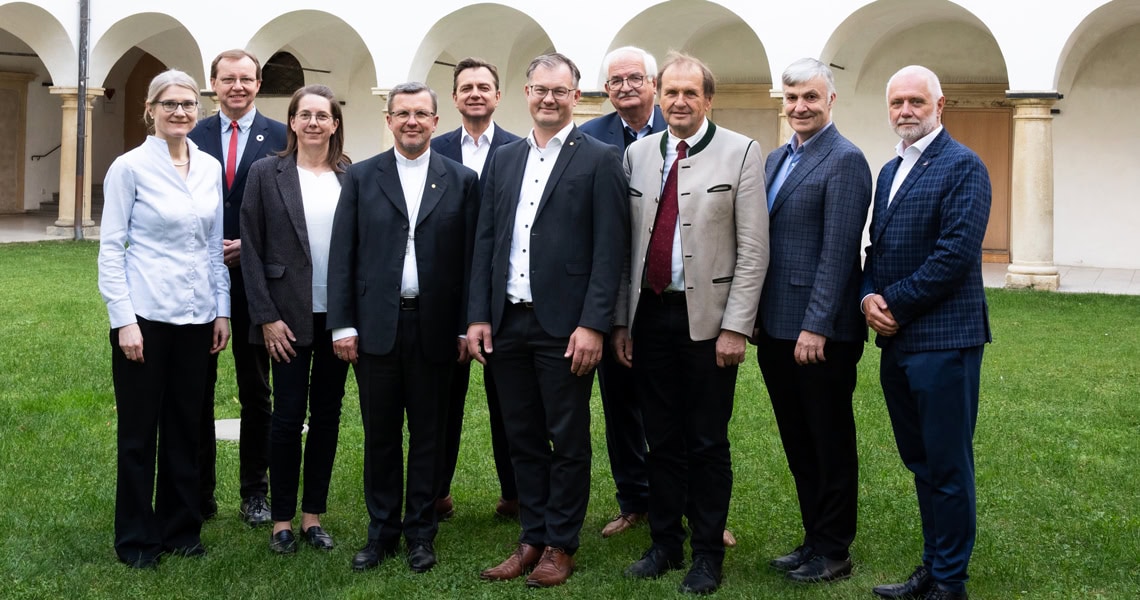
Balanceakt CO2 – Fear not is the title of the four-part series of events that brings together voices from research, religion, agriculture and forestry. Their common goal: to explore different aspects of the greenhouse gas carbon dioxide (CO2) and how it has been dealt with in the past and how it could be dealt with in the future. All participants agree on one point: climate change is a global problem with serious environmental aspects and serious social, economic, distributional and political dimensions; it represents one of the most important challenges facing humanity today.
Human influence
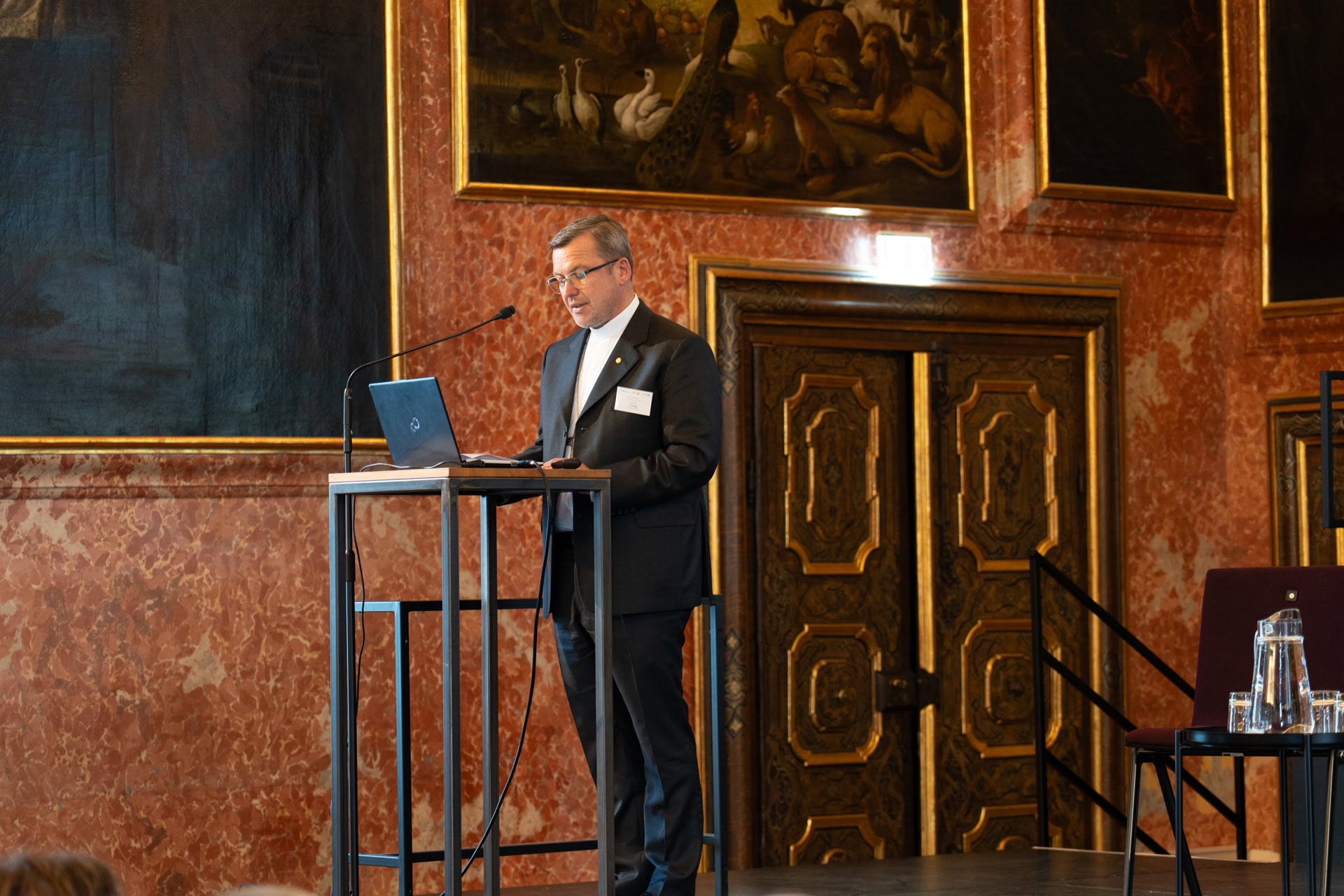
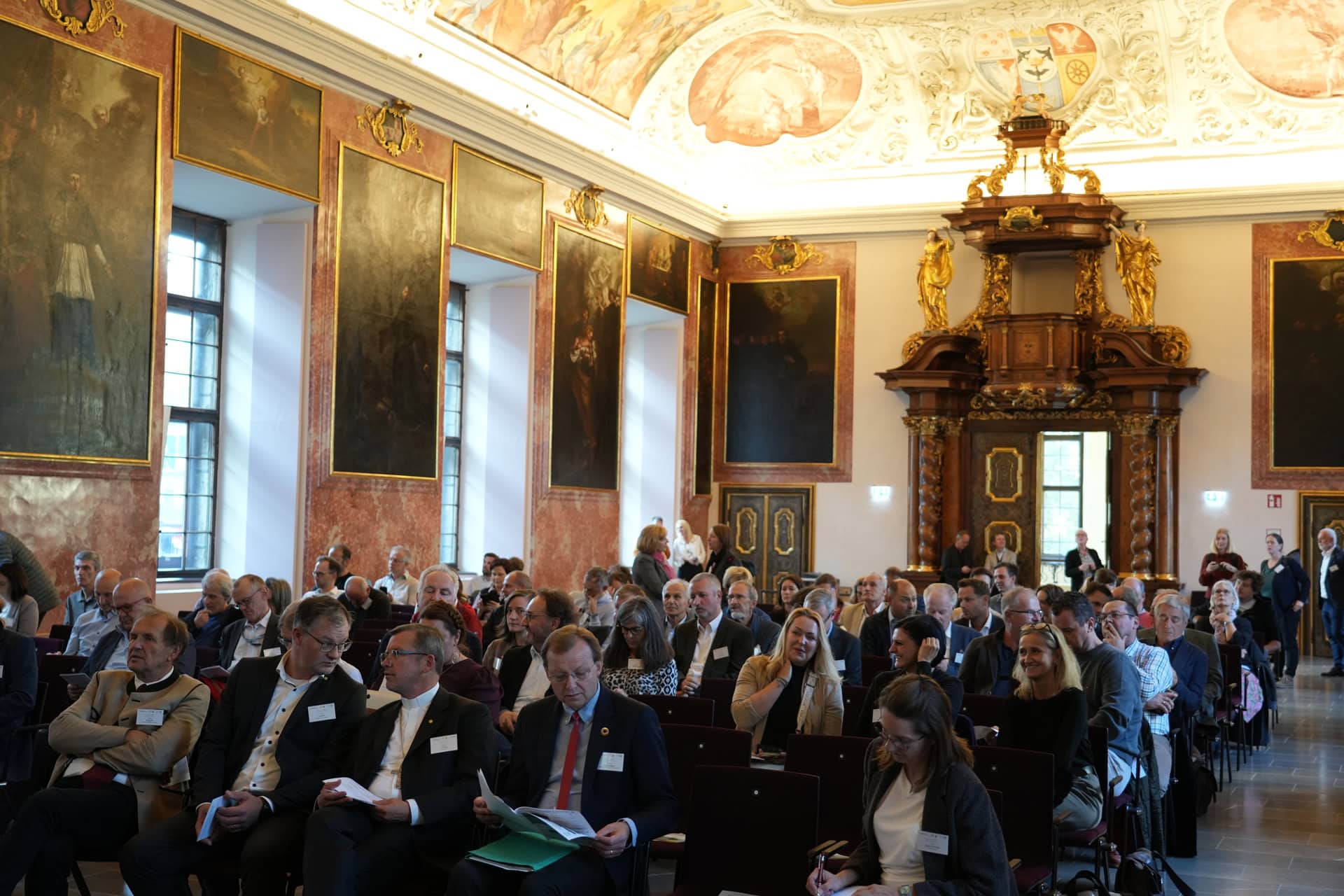
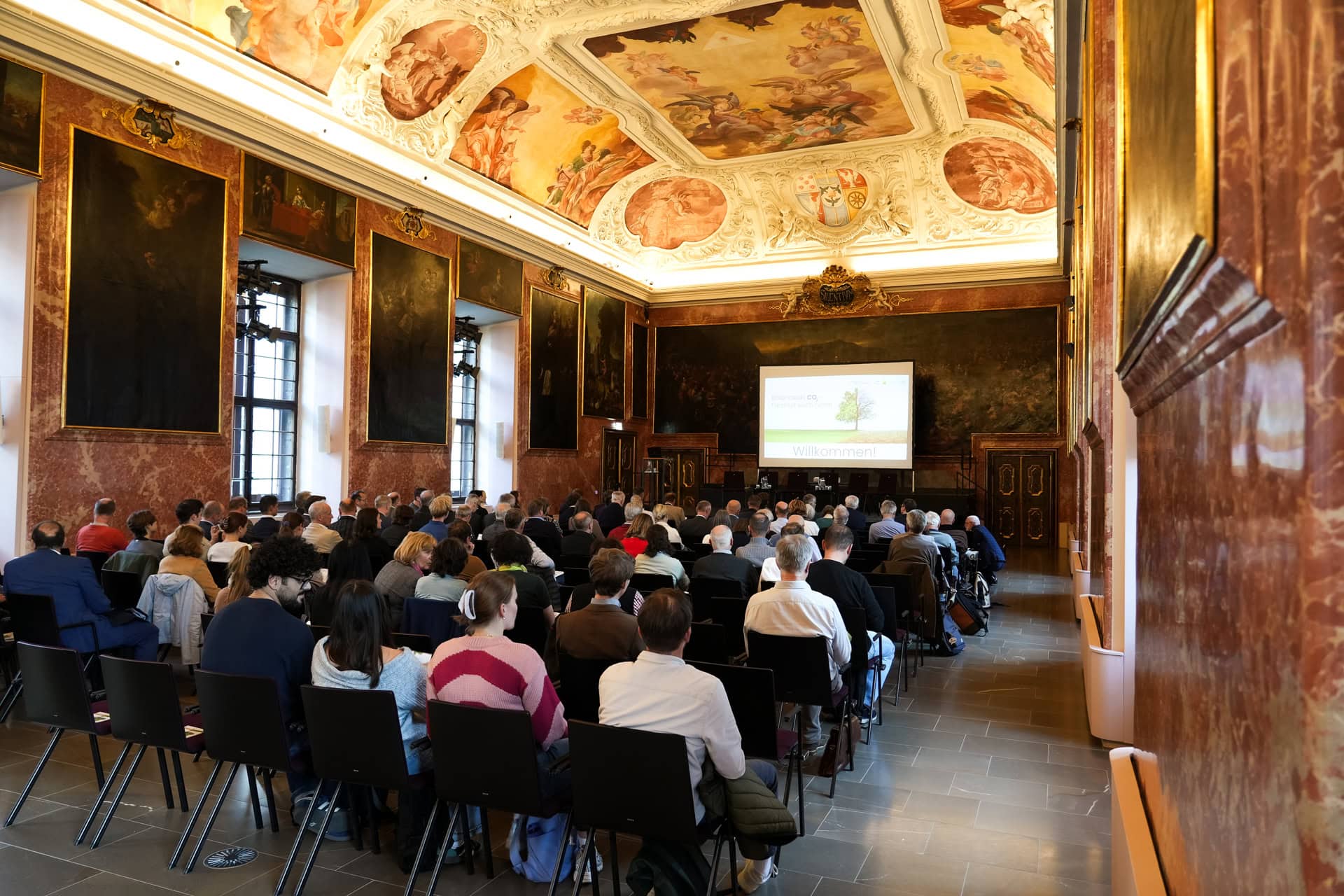
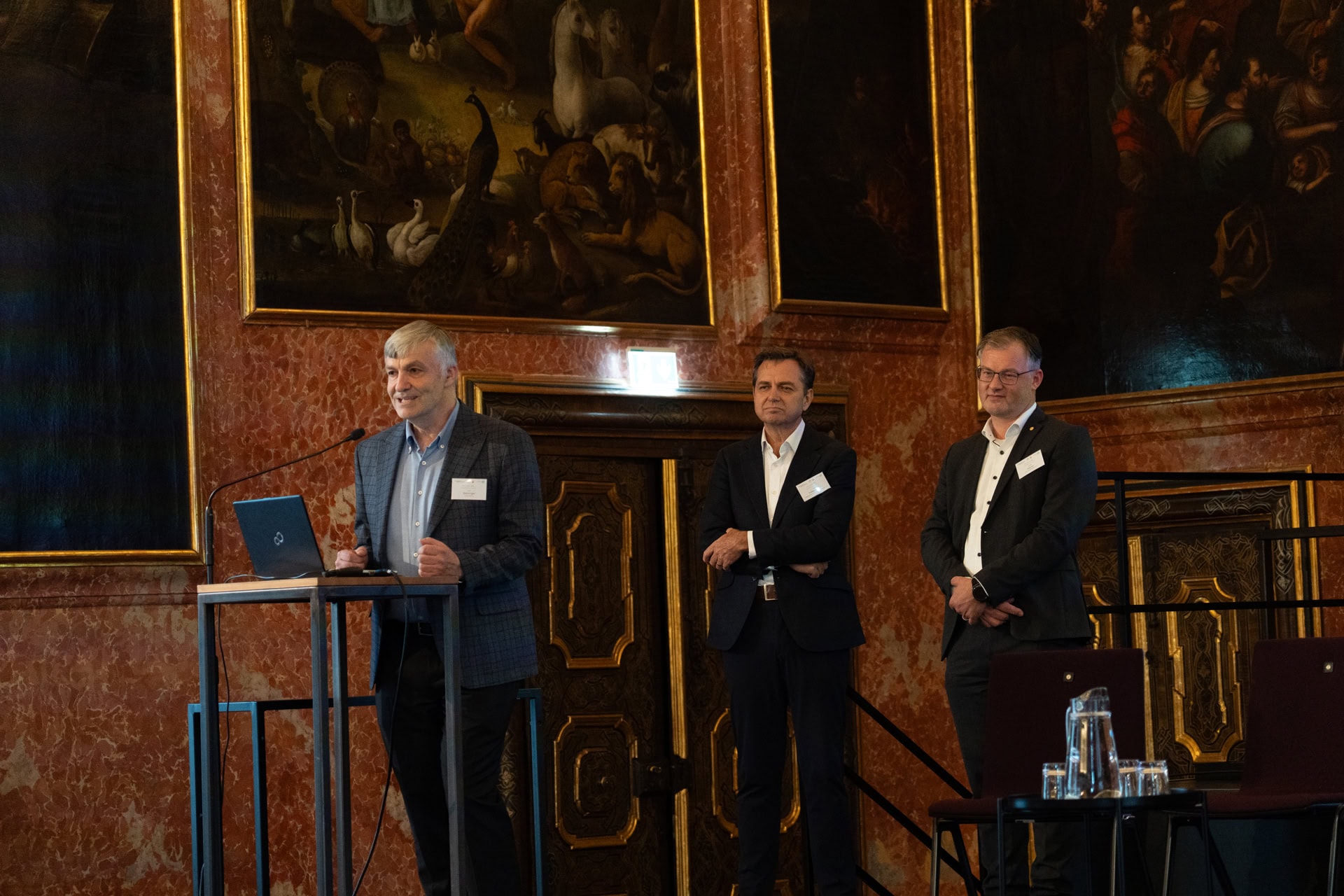
Part 1 of the four-part series took place at the Minoritenzentrum Graz and examined the influence of humans on the carbon cycle. After the opening by Auxiliary Bishop Johannes Freitag of the Diocese of Graz Seckau, Karl Steininger from the University of Graz, Martin Halmer from the Catholic Church of Styria and Franz Prettenthaler from JOANNEUM RESEARCH addressed the visitors with introductory remarks. The event was hosted by Birgit Bednar-Friedl from the University of Graz.
The lectures
In his keynote speech, Werner Brugner, Director of the Styrian Chamber of Agriculture, addressed the role of agriculture, which is particularly affected by climate change and its impacts. ‘Renewable energy sources are a sustainable strength for Styrian farmers. Although agriculture itself is a source of emissions, it also makes an important contribution to mitigating the consequences of climate change,’ said Brugner. He advocates stronger networking between agriculture, industry and research in order to exploit common opportunities even more efficiently and slow down climate change.
Carbon cycle and climate change: Current knowledge base and what net-zero CO2-emissions to halt global warming
Gottfried Kirchengast from the Wegener Centre at the University of Graz provided insights into the Earth's carbon cycle and the current state of knowledge on climate change, which shows that the changes we humans have caused in the carbon cycle are closely linked to global warming and climate change. ‘How quickly we achieve net-zero CO2- emissions to stop global warming, and how we then maintain this “net-zero CO2- balancing act” over decades and centuries, will fundamentally determine the climate future of our children and grandchildren,’ said Kirchengast. Global warming can only be halted if CO2- emissions are reduced to near net zero by 2025, and a profound, rapid and sustainable reduction in emissions is the only way to achieve this.
Presentation Gottfried Kirchengast
“How much CO2 is avoidable?”
In his presentation, Frank Uhlig from Graz University of Technology addressed the question of how much CO2 could be avoided in principle. He cited the example of cement production, which is responsible for 6 to 9 per cent of global CO2 emissions. Although technological innovations have made it possible to achieve savings, the production of CO2 is inherent in the cement manufacturing process itself. ‘As the title of the event suggests, any serious discussion of environmentally harmful substances is a balancing act. One-sided, absolute views, ranging from “ban everything” on the one hand to “ignore everything” on the other, miss the point entirely,’ said Uhlig.
Climate change: From public awareness to collective action?
‘Climate protection is not failing due to a lack of popularity, but is being slowed down by socio-psychological barriers and inadequate political framework conditions,’ says Hermine Mitter from the University of Graz. In February/March of this year, 79% of the Austrian population and 81% of the European population (EU27) stated that they supported the EU's goal of becoming climate neutral by 2050. However, the popularity of climate protection has declined somewhat in recent years. According to Mitter, the high level of support for climate protection is only reflected to a limited extent in effective action. Social-psychological mechanisms and political framework conditions are major barriers to the implementation of climate protection and climate change adaptation measures.
A concluding panel discussion addressed topics such as the role and personal responsibility of individuals in climate protection, the task of politicians in setting the framework conditions, and how to move from mere knowledge about climate change and its consequences to active action.
Balancing act CO2 – Fear not! is a series of events organised by JOANNEUM RESEARCH, the Catholic Church of Styria and the Wegener Centre for Climate and Global Change at the University of Graz, in cooperation with the Styrian Chamber of Agriculture, the Wood Vision Lab GmbH and is supported by the State of Styria (Department of Economy, Labour, Finance, Science and Research).
Further dates
- Natural CO₂ sequestration: Farmers and foresters as climate saviours, 15 January 2026
- Technical innovations in carbon management: Can we afford it?, 10 March 2026
- Business model climate change: sustainable or a fig leaf?, 28 April 2026