- About us
- Research fields
- DIGITAL – Institut für Digitale Technologien
- MATERIALS – Institut für Sensorik, Photonik und Fertigungstechnologien
- ROBOTICS – Institut für Robotik und Flexible Produktion
- COREMED – Zentrum für Regenerative Medizin und Präzisionsmedizin
- HEALTH – Institut für Biomedizinische Forschung und Technologien
- LIFE – Institut für Klima, Energiesysteme und Gesellschaft
- POLICIES – Institut für Wirtschafts-, Sozial und Innovationsforschung
- Business areas
- Products & services
- Research infrastructure
- Beteiligungen
- Career
- Aktuelles
- Publications
- Kontakt zu uns



DRIVABLE: Route suitability assessment for automated driving
RUNNING TIME:
06/2025
—
05/2028
Total project duration:
3 Years

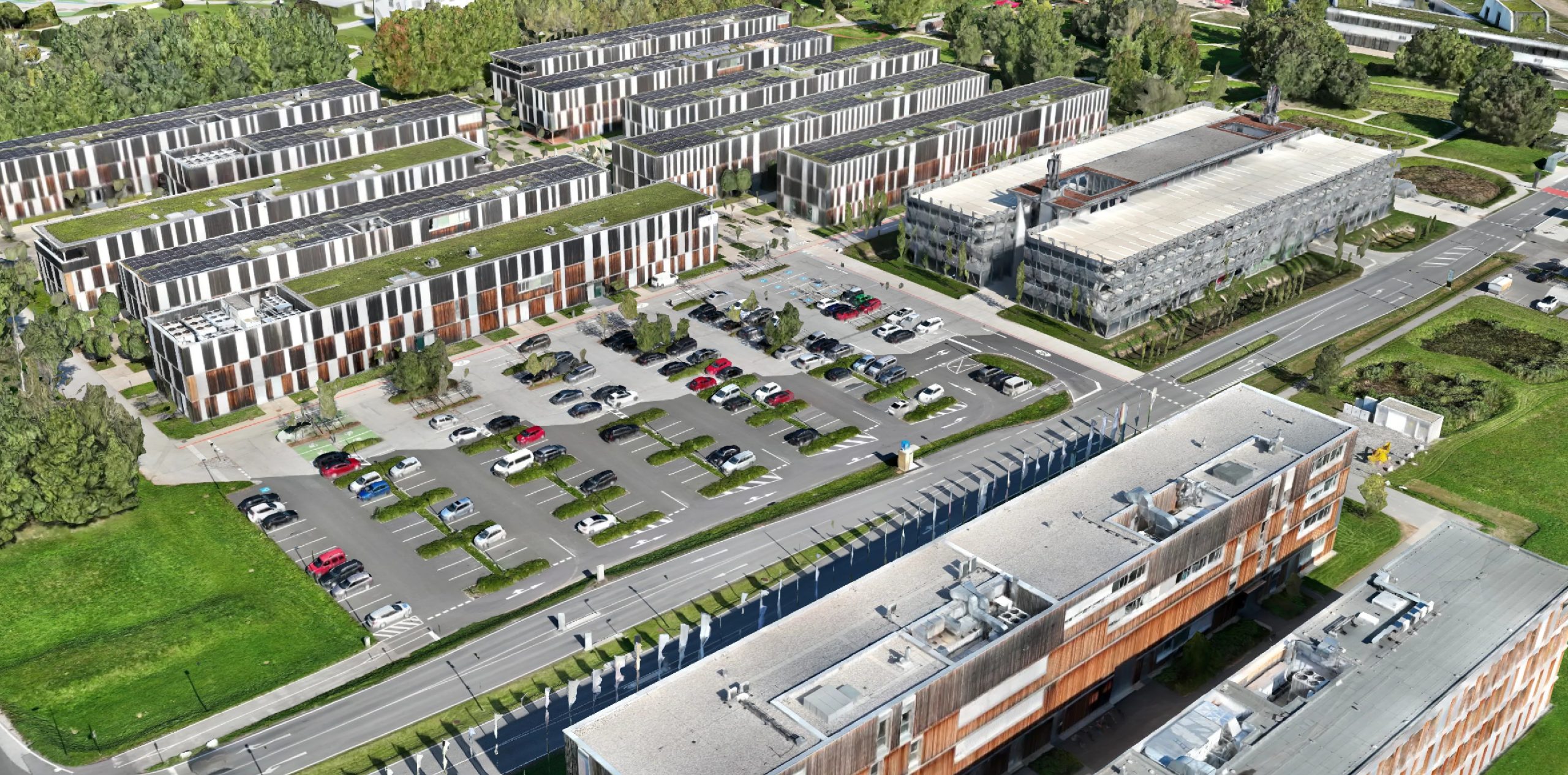
DIGITAL TWIN LAB Lakesidepark Klagenfurt, Photo: JOANNEUM RESEARCH
The project
Whilst vehicle technologies are evolving rapidly, approval, route and risk assessment processes, in particular, continue to pose a significant barrier to the scalable deployment of SAE Level 4 vehicles in public transport.
The transition from test operations to regular operations currently involves a significant investment of staff, time and financial resources. Route assessments are often carried out manually, rely heavily on empirical knowledge, and are only standardised and reproducible to a limited extent. Changes to the operating conditions or vehicle-specific requirements frequently necessitate new testing and assessment processes.
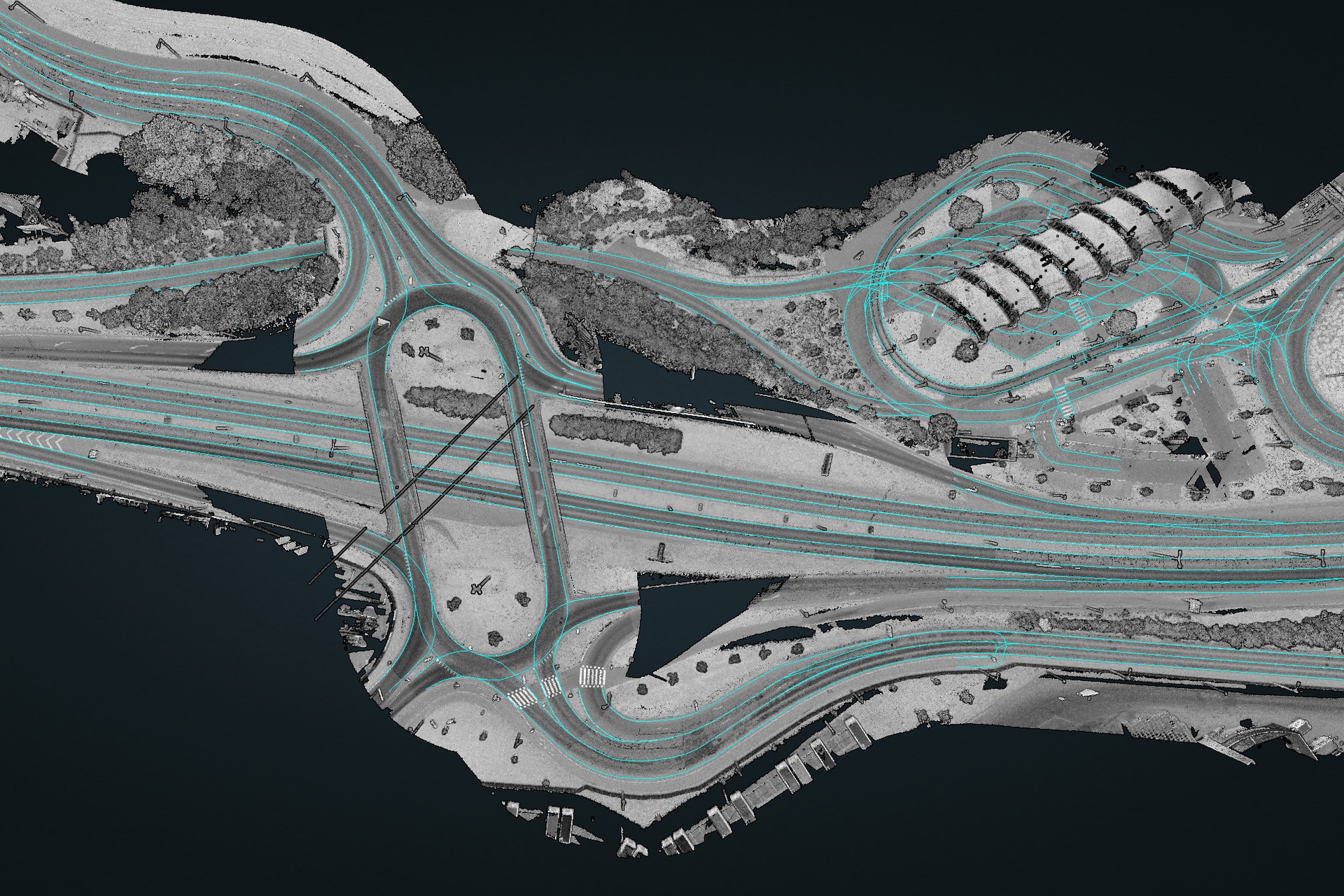
Against this background, the BEFAHRBAR consortium is developing a standardised, objective and simulation-based methodology for assessing potential areas of operation for automated vehicles in terms of safe and efficient navigability. By developing a highly accurate, simulation-capable model of the route, based on a digital twin, the aim is to make route and risk assessments, the development of measures, and monitoring processes more efficient, robust, objective and continuously adaptable.
In this way, BEFAHRBAR supports public authorities by providing standardised and transparent assessment methods, enabling more efficient approval and testing procedures, whilst at the same time contributing to the safe and sustainable integration of automated vehicles into public transport.
Our activities in the project
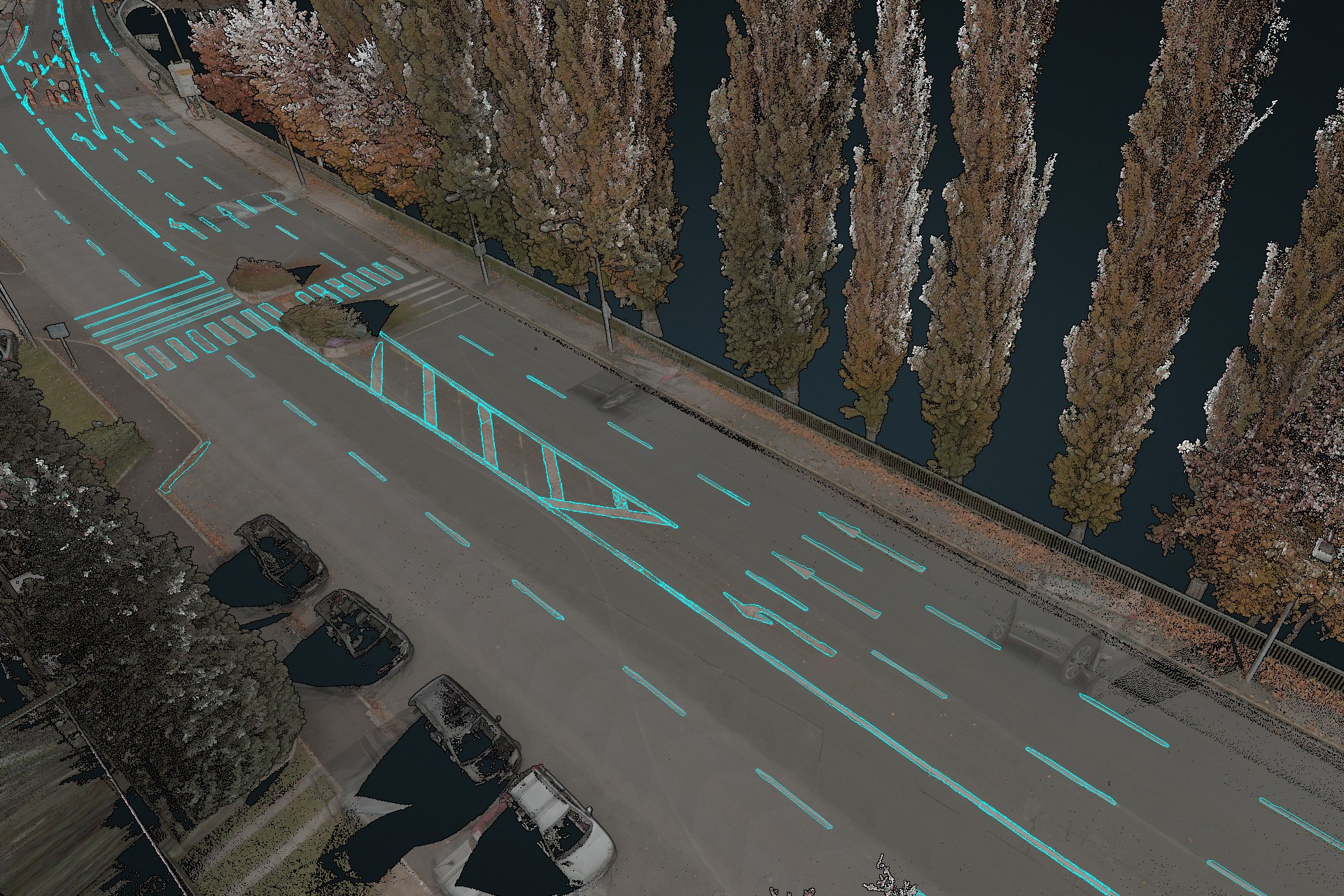
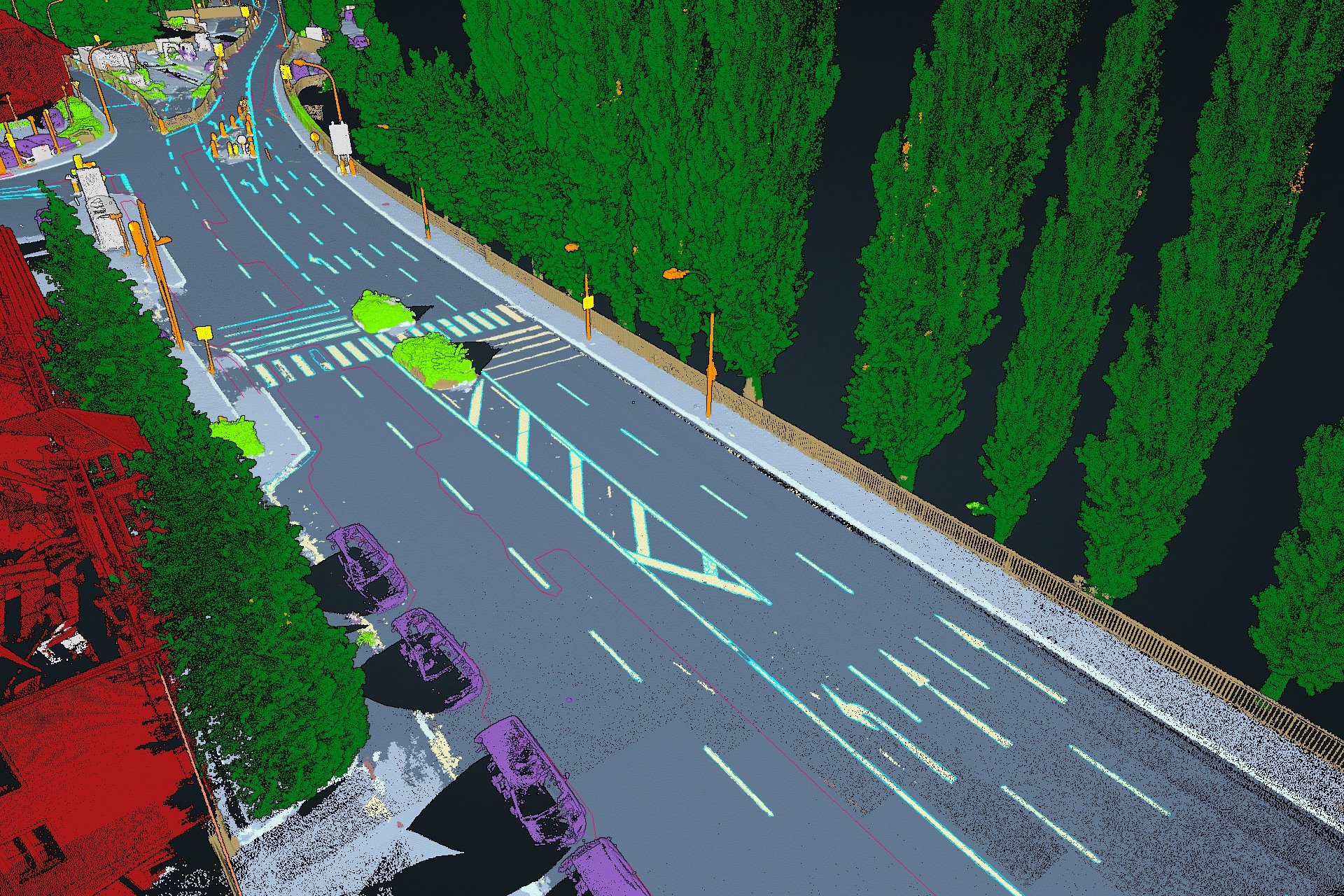
JOANNEUM RESEARCH’s Digital Twin Lab is leading the BEFAHRBAR project consortium and undertaking key operational and technical tasks. During the first phase of the project, we were responsible for consolidating the holistic requirements and translating them into a concept for a new digitalised assessment, monitoring and analysis methodology designed to enable objective and efficient risk assessment. A key focus was on creating highly accurate, simulation-ready digital twins of selected, approved L4 test routes in Klagenfurt and Graz, as well as a proof-of-concept (PoC) route in Korneuburg, to validate the concept developed within the project. The digital twin provides a three-dimensional representation of the real-world transport infrastructure and serves as the basis for the automated analysis of the traffic environment developed by the Digital Twin Lab. The methodology combines the evaluation of static infrastructure parameters (signage, road markings, road surface characteristics and lane configurations, etc.) with a comparison of vehicle-specific Operational Design Domains (ODD).
In addition, context-specific aspects of the environment are taken into account, such as sensitive areas like schools or nurseries, which require a tailored route suitability assessment. Following the preparation of the data for the virtual route suitability analysis and the comparison of the results of the developed methodology with existing risk assessment procedures on routes that have already been approved, JR is supporting the evaluation and validation as part of a proof of concept. The aim is to demonstrate the general applicability of the assessment methodology, as well as of the operational and risk monitoring systems. To this end, a potential authorisation process for Level 4 operation in public transport is simulated and evaluated under realistic conditions using the test route in Korneuburg.

Research groups
Customers
Bundesministerium für Innovation, Mobilität und Infrastruktur (BMIMI)
Österreichische Forschungsgesellschaft (FFG)
Project partners
ALP.Lab GmbH
pdcp GmbH
Salzburg Research Forschungsgesellschaft mbH
Trafility GmbH
Verkehrsverbund Ost-Region (VOR) GmbH
Virtual Vehicle Research GmbH
Project details
The ‘BEFAHRBAR’ project aims to develop an automated assessment, monitoring and analysis methodology that enables the scalable deployment of SAE Level 4 vehicles in public transport. To this end, the project aims to facilitate a thorough analysis and assessment of the route’s safety for vehicle operation using the most efficient methods possible. Through the development of a highly accurate, simulation-capable route model based on a digital twin, route and risk assessments, the development of measures and monitoring processes are to be made more efficient, robust, objective and continuously adaptable. This is intended not only to ensure that legal requirements are easily met, but also to address operational challenges and technical conditions.
The main objectives are:
- Development of an automated evaluation and analysis methodology for the scalable deployment of SAE Level 4 vehicles in public transport
- Systematic comparison with legal, operational and vehicle-specific requirements (ODD)
- Objective and standardised route and risk assessment
- More efficient approval processes and reduced workload
- Identification and mitigation of risks along the route
- Continuous monitoring during operation
- Validated methodology as a proof of concept for live operation
The methods, models and procedures developed are validated and refined using insights gained from the trial operation of automated vehicles, existing route and risk assessments, and test drives at existing test sites. The assessment logic developed is implemented and validated for three different vehicle classes – passenger cars, buses and shuttles. These differ significantly in terms of geometry, sensor positioning, software stack and data access, thereby enabling a methodology that can be parameterised across different vehicle types. The validated methodology is then applied in the form of a proof of concept to a representative route, taking into account the operator’s requirements for real-world deployment. Ultimately, the methods are intended to be used to make the authorisation, route and risk assessment processes as efficient and well-founded as possible, whilst also supporting deployment measures and ongoing operational and risk monitoring.
Funding organisation


Dieses Projekt wurde im Rahmen des Programms Mobilitätswende 2024/1 – Mobilitätstechnologie durch die Österreichische Forschungsförderungsgesellschaft (FFG) gefördert (Projektnummer: 5140265). Auftraggeber: Bundesministerium für Innovation, Mobilität und Infrastruktur (BMIMI).
Projektbeteiligte
Related projects
SHAPING THE FUTURE, TOGETHER
JOANNEUM RESEARCH provides innovation and technology services in the field of applied research. As a research company working on behalf of various federal provinces and regions in Austria, our expertise shapes the development of our modern society and economy – sustainably, and always with a focus on people. As a multidisciplinary team working in a flexible set-up that fosters innovation, we always live up to the highest social and scientific standards.