




• Menu menu
  • menu Menü öffnen
Products & services  
Digital

Semantic 3D segmentation

Automated analysis of 3D point clouds: detection, segmentation, classification.


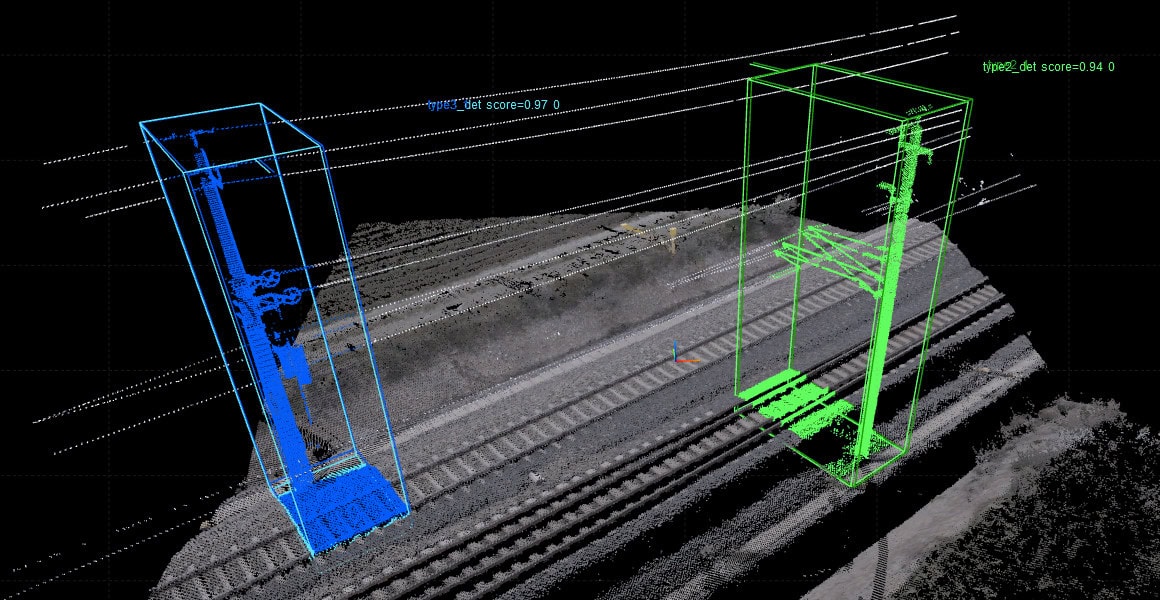
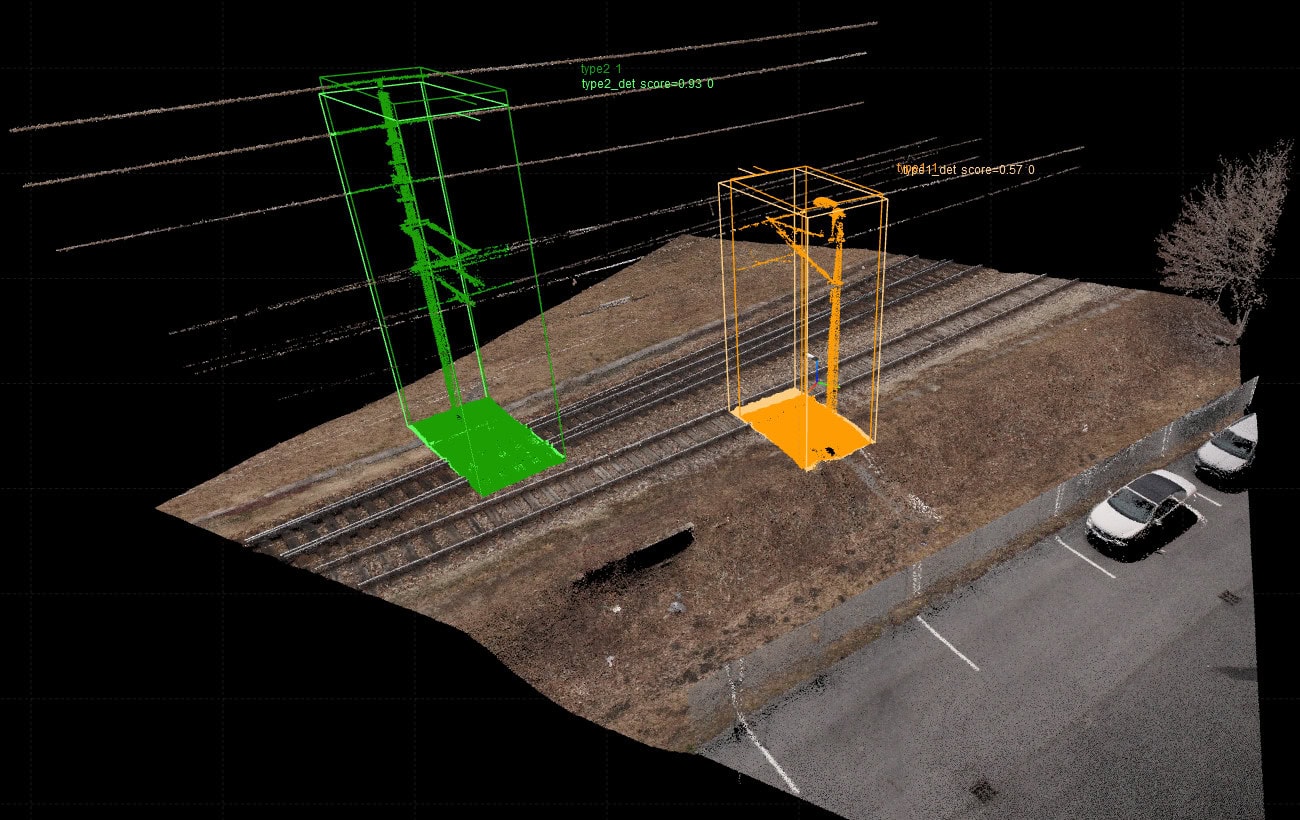
Example of an object detection © Joanneum Research

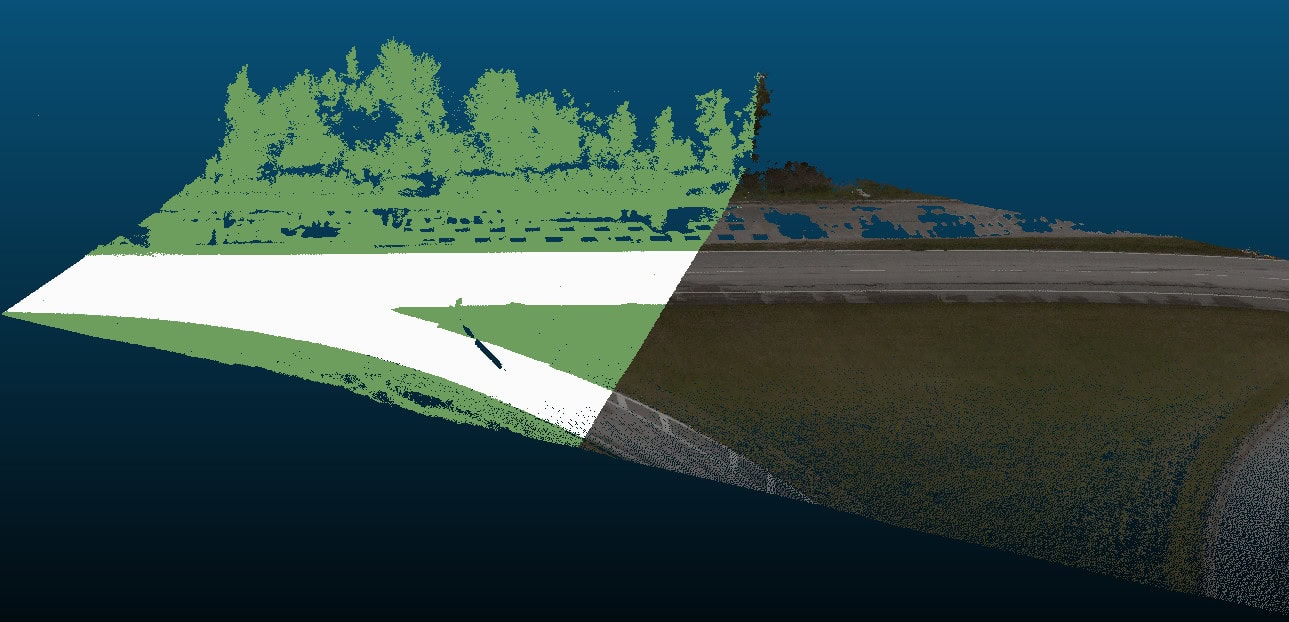
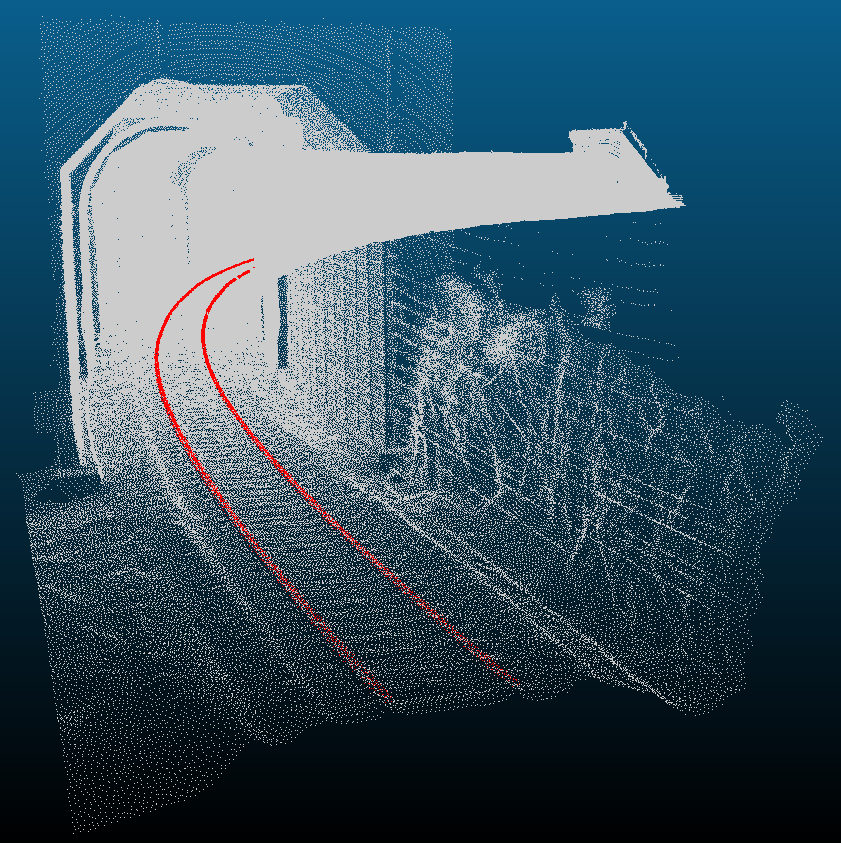
Example of an object detection © Joanneum Research

JOANNEUM RESEARCH DIGITAL offers scalable, AI-supported workflows for the automated analysis of large-scale 3D point clouds. Objects in digital twins are efficiently detected, segmented and classified – even in very large data sets. By combining modern object recognition, semantic segmentation and domain-specific model adaptation, JOANNEUM RESEARCH enables precise and robust data interpretation. Manual effort is significantly reduced, allowing for greatly increased productivity in applications such as asset management, predictive maintenance and digital simulations.

Critical infrastructure and technical facilities are increasingly being digitally captured as three-dimensional models. Modern sensor and processing technologies generate highly accurate, georeferenced 3D point clouds and image data - the basis for high-precision digital twins, for example for motorways or railway lines.

While geometric data can be used manually, automated applications require additional semantic information. This enables asset management, predictive maintenance and simulations, for example. Artificial intelligence methods support the automatic recognition and classification of objects (object recognition) and the assignment of individual data points to classes (semantic segmentation). The results can be linked to BIM, plans or component lists and reused.


Digital solutions for 3D infrastructure data

In this context, JOANNEUM RESEARCH DIGITAL offers specialised technologies and processes for the automated analysis of large-scale 3D point clouds, particularly for critical infrastructures. Specifically, the offering includes:

  • Development of scalable data interpretation workflows:
    A specially developed workflow enables the efficient processing of very large 3D data sets using a partitioning strategy. This allows the application to be used on complex infrastructures such as railway lines or motorways.
  • Automated object recognition and semantic segmentation:
    With the help of machine learning methods and domain-specific AI, objects in 3D point clouds are automatically recognised and classified. This largely replaces manual or semi-automatic processes.
  • Adaptable models for various application scenarios:
    The systems can be flexibly adapted to new areas of application. Through targeted training and domain adaptation, models can be quickly transferred to other infrastructures or specific requirements.
  • Semantic enrichment for subsequent applications:
    The data generated is not only geometrically precise, but also semantically structured. This means it can be used immediately for asset management, predictive maintenance, simulations or linking to BIM, plans and documentation.
  • Increased productivity through automation:
    The workflow drastically reduces manual intervention, thereby increasing efficiency in the digital capture and processing of large amounts of infrastructure data.


JOANNEUM RESEARCH DIGITAL provides the technological basis for the automated, semantically enriched analysis of 3D digitalised data from large infrastructures – including tools, methods and tried-and-tested workflows.

Our partners and sponsors

What our customers say

Publications on the product or service

More products and services

Skip to content