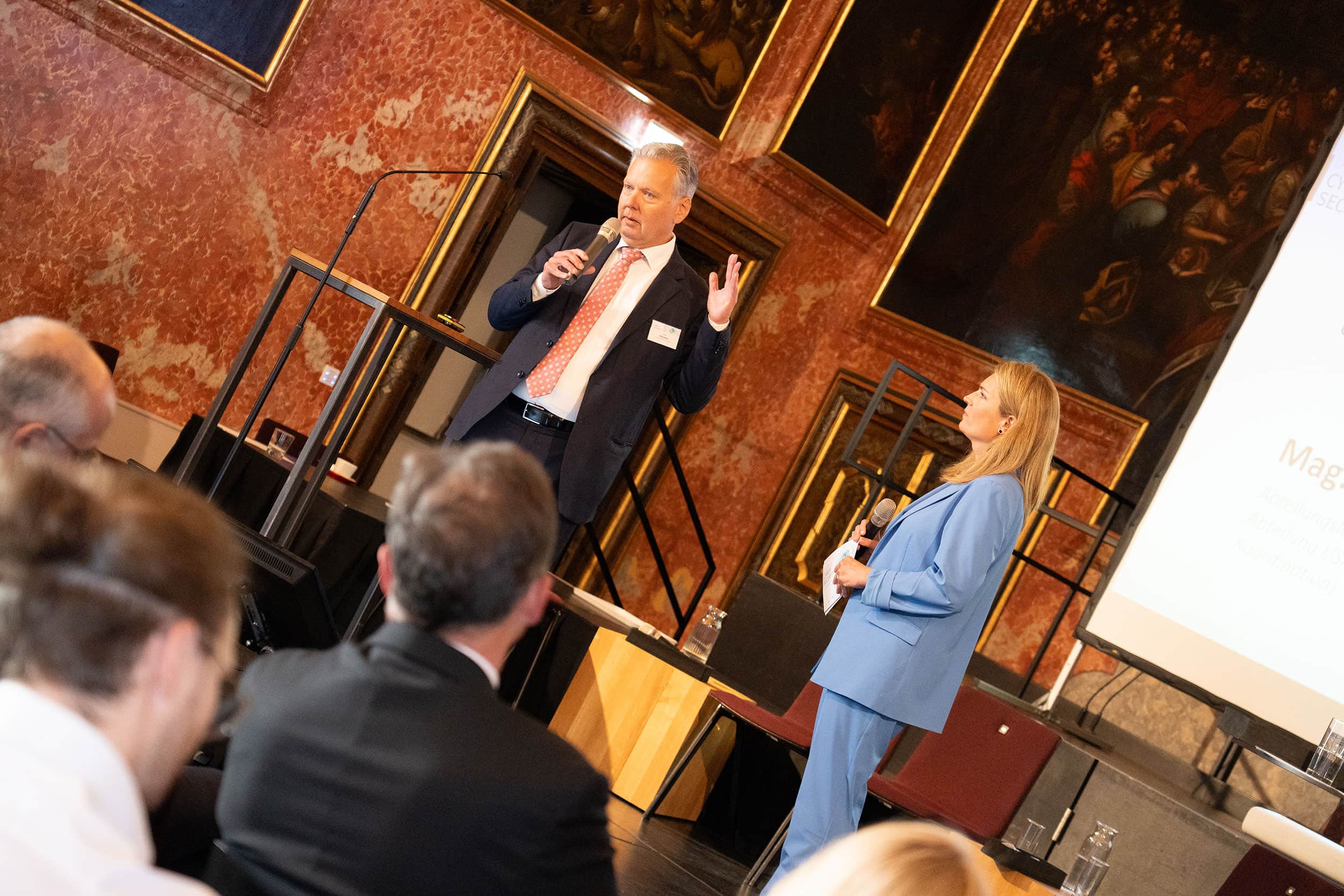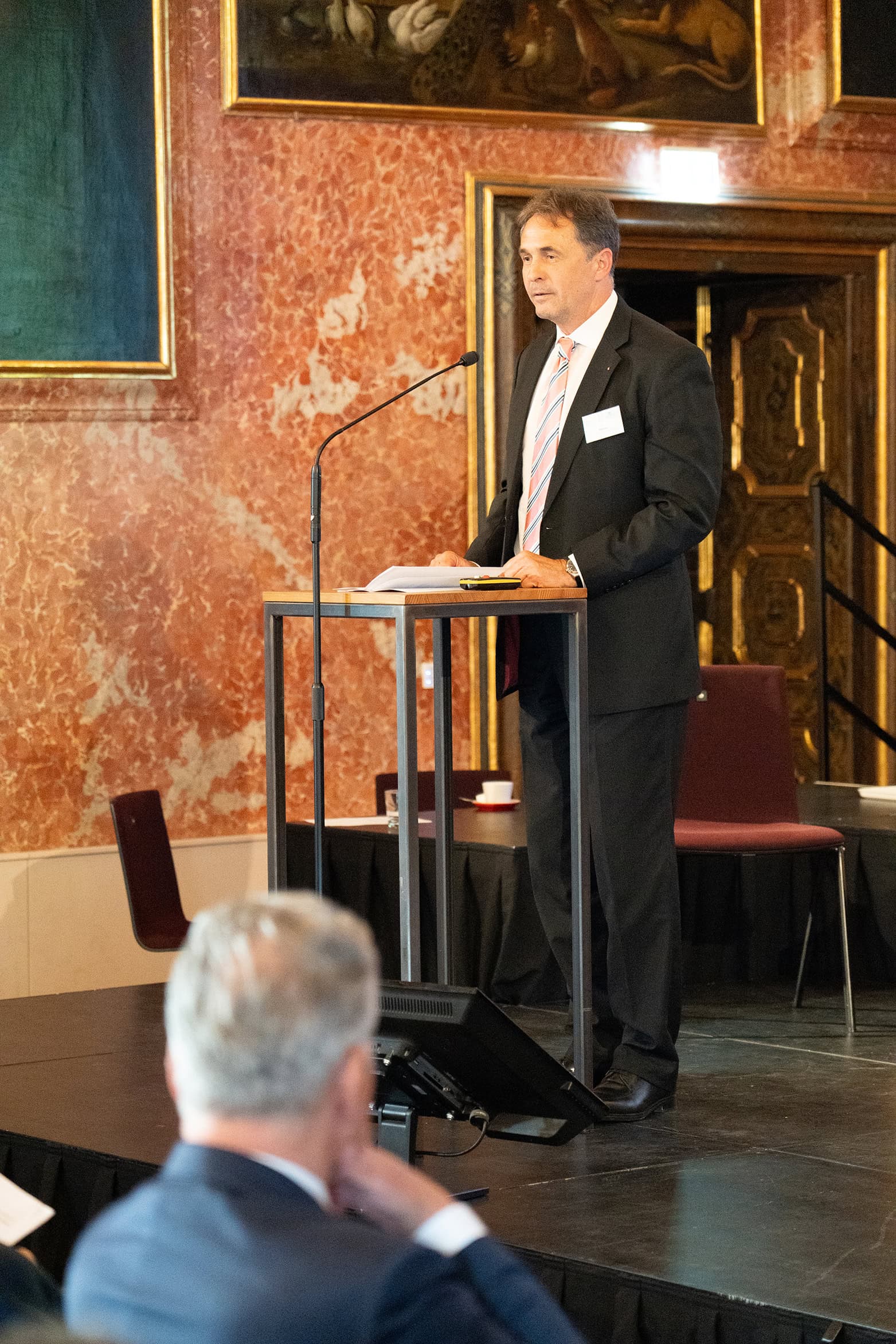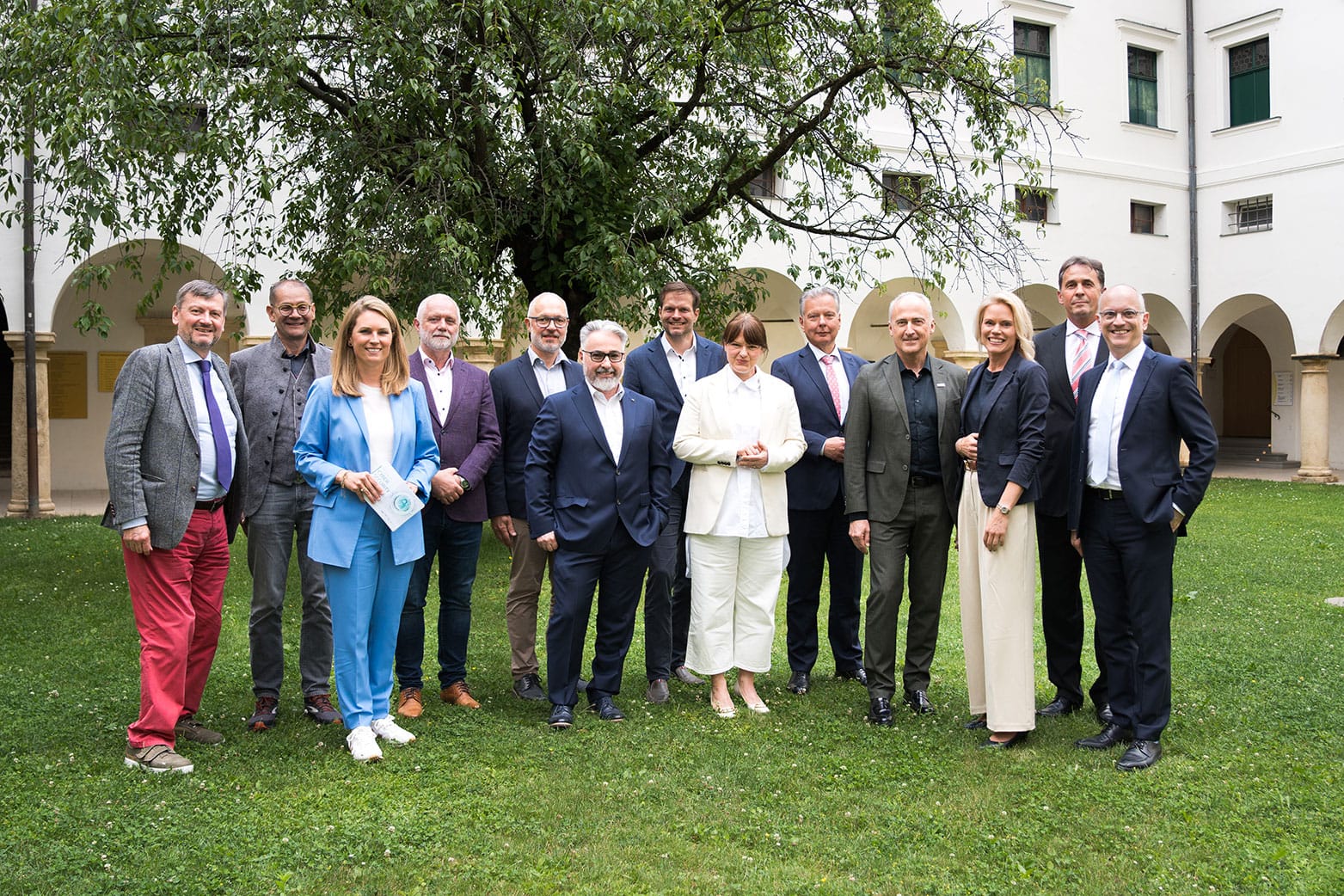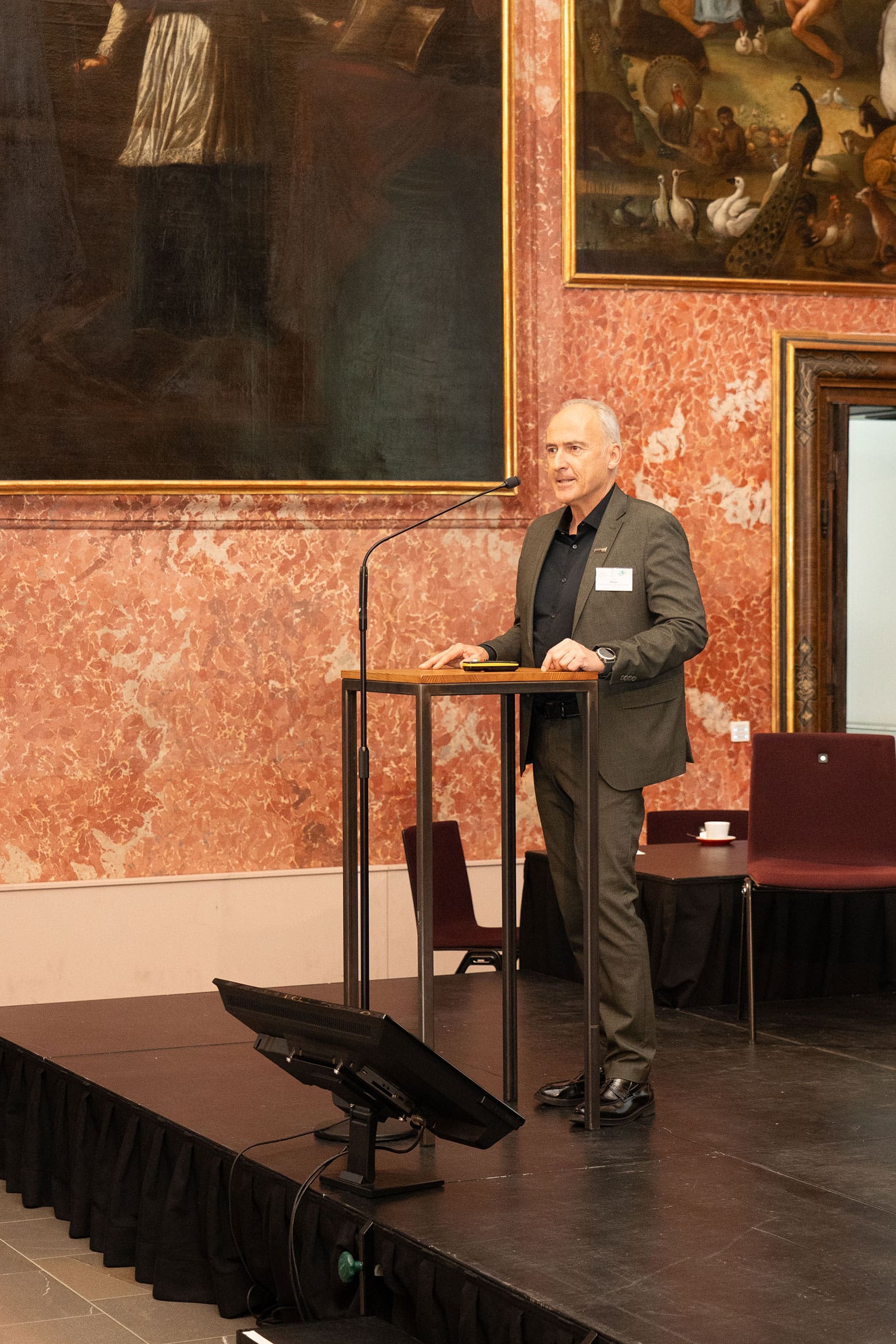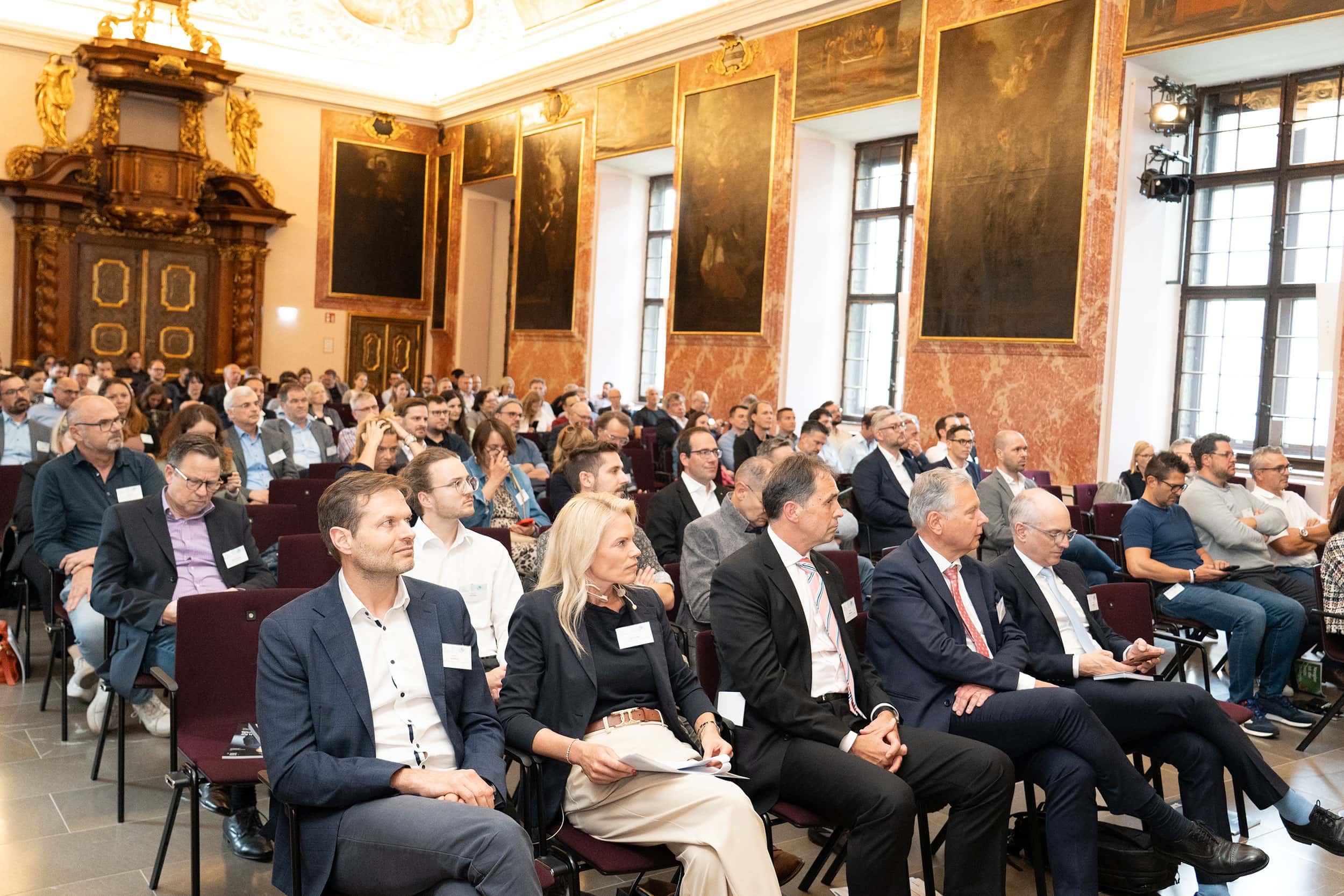


Experts from business, research, security agencies and defence policy examined current developments and possible courses of action. The event centred on the presentation of the latest study ‘Cybersecurity in Austria 2026’ by KPMG and the Competence Centre for a Secure Austria (KSÖ).
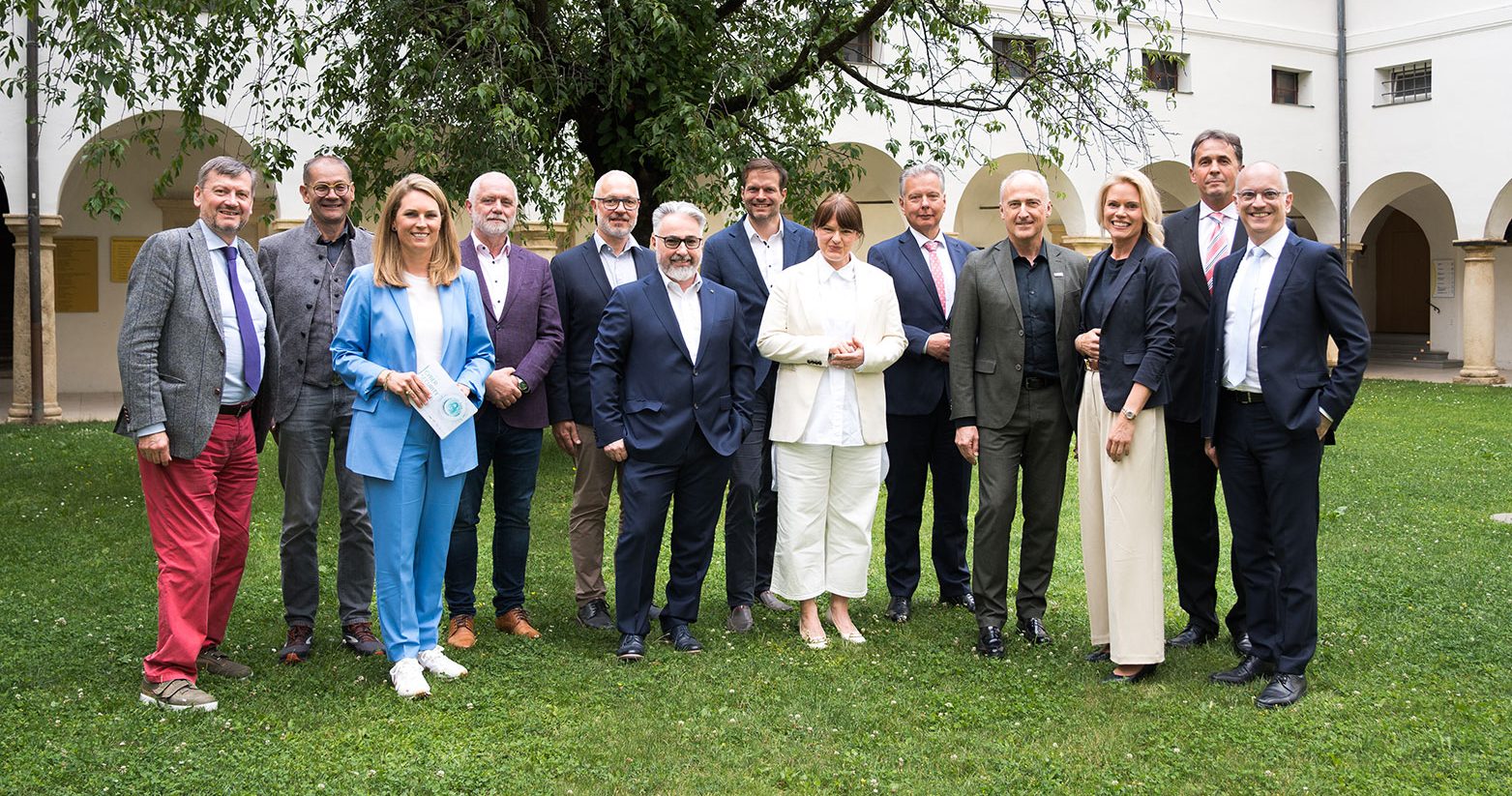
Opening remarks and introduction by JOANNEUM RESEARCH Managing Director Heinz Mayer and Authorised Signatory Helmut Wiedenhofer. The event was moderated by Kathrin Ficzko from ORF and Christian Kunstmann from the Federal Ministry of the Interior.
Cyberattacks remain one of the biggest threats
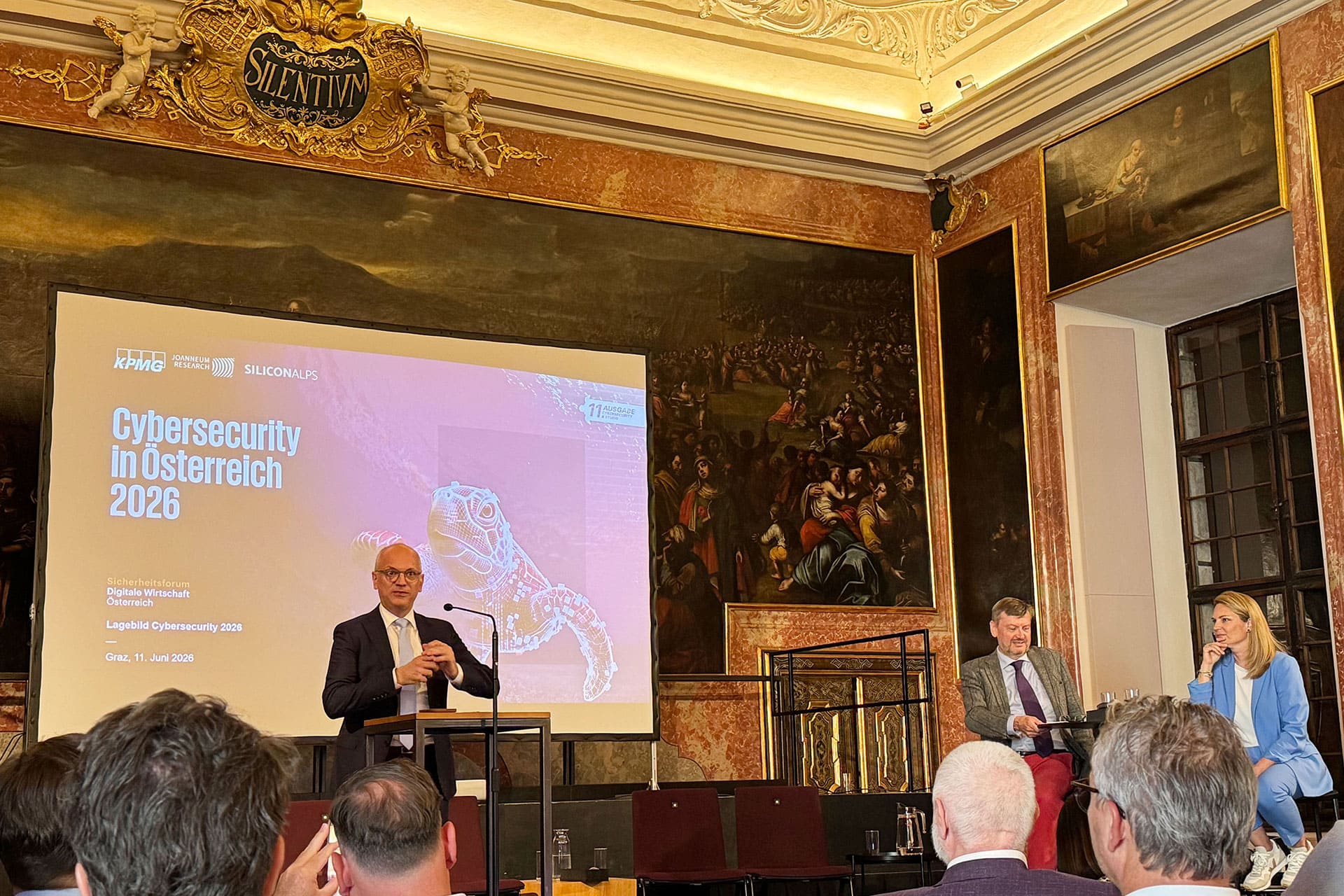
Robert Lamprecht, a partner at KPMG Austria and co-author of the 176-page study, presented the findings of what is now the 11th edition of the survey. The findings are based on data from 1,396 Austrian companies. The study shows that cyberattacks remain among the greatest business risks. Lamprecht: “The most common types of attack still target the human factor. In first place, at 75 per cent in 2026, are attacks via malware – malicious software contained in an email attachment – followed by (spear) phishing attacks at 69 per cent and the exploitation of security vulnerabilities (hardware and software weaknesses) at 58 per cent.” These dominate the current threat landscape. Lamprecht: “It is much easier to circumvent technical vulnerabilities than to craft tricky emails and hope that someone will click on them.” CEO fraud comes in fourth place, and scam calls are in fifth place at 52 per cent. There is some positive news here: the rapid reporting of scam phone numbers to the Broadcasting and Telecoms Regulatory Authority is having an effect. Over the last 12 months, this type of attack has fallen from 65 per cent to 52 per cent. Lamprecht’s appeal: “So let’s keep it up, so that we can improve in this area.”
One particular phenomenon, driven primarily by geopolitical conflicts, is the insider threat: “The risk posed by someone with an employee ID card within the company, who may also be motivated by potential bribery to carry out malicious acts here,” explains Lamprecht, highlighting an additional danger from within the organisation’s own ranks.
The use of artificial intelligence is changing the nature of attacks
At the same time, the increasing use of artificial intelligence is fundamentally changing the cyber threat landscape: as many as one in two companies already regard AI-enabled cyberattacks as a key challenge. The automotive industry, via its supply chains, and, more recently, the tourism sector are being increasingly affected by this. Lamprecht: “For us, however, this means that cybersecurity is no longer an issue confined to individual sectors, but is increasingly affecting all industries – including those that were not previously a focus.”
SMEs are more severely affected by cyber attacks
The bottom line is that we need to improve our detection capabilities. Who are the perpetrators behind these attacks, and where do the threats originate? Cybercrime has reached the heart of the economy, and it is clear that organised crime is the dominant factor here. There has been a slight increase in the number of cases. It has also become more difficult to identify the perpetrators. The figures for identifying the perpetrators have deteriorated from 43 per cent last year to 63 per cent in 2026. Lamprecht adds: “The targets of attacks are shifting away from large companies towards small and medium-sized enterprises. And whilst the financial gains available to them there may not be particularly substantial, it is the sheer scale that makes the difference.”
Comprehensive strategies to counter the increasing professionalism of attackers
Another key focus of the study is on issues of digital sovereignty and the implementation of the NISG 2026. The findings make it clear that cybersecurity is no longer exclusively a technical task. What is needed are holistic strategies that combine technical protective measures, organisational resilience and staff awareness. The increasing professionalism of attackers and growing geopolitical uncertainty are further heightening the pressure to act. The cybersecurity expert makes an urgent appeal to everyone: “A digital society such as ours does not fail because of what it cannot do, but because of what it has relied on for too long. That is precisely why cybersecurity today is more than just protection against attacks. It is a conscious decision to prioritise reliability over convenience, traceability over mere speed, and responsibility over technological activism.”
He went on to say: “Cybersecurity is not an option. It is essential for economic and social survival. The real question is not whether we invest, but whether we can afford not to,” said the author of the study.
Sicherheit als Forschungs- und Innovationsthema
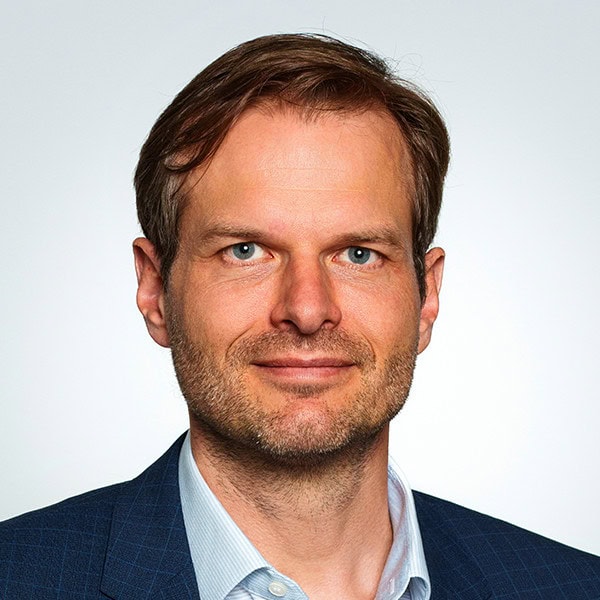
Zu Beginn der Veranstaltung zeigte Matthias Rüther, Direktor des Instituts DIGITAL der JOANNEUM RESEARCH, die Bedeutung von Sicherheitsaspekten in den Geschäftsfeldern „Sicherheit und Verteidigung“ sowie „Weltraum“ auf. Anhand aktueller Forschungsaktivitäten wurde deutlich, wie digitale Technologien, intelligente Sensorik und moderne Datenverarbeitung zur Stärkung von Sicherheit, Resilienz und technologischer Souveränität beitragen können.
Wirtschaft als Teil der Sicherheitsvorsorge
Thomas Feßl von der Wirtschaftskammer Österreich beleuchtete die Rolle der Wirtschaft im Rahmen der umfassenden Landesverteidigung. Im Fokus standen die Aufgaben der Stabstelle Krisenmanagement und Sicherheitsvorsorge sowie die Bedeutung kritischer Infrastrukturen und resilienter Lieferketten. Darüber hinaus zeigte er industrielle Kooperationsmöglichkeiten im Sicherheits- und Verteidigungsbereich auf und machte deutlich, dass wirtschaftliche Leistungsfähigkeit und Sicherheit zunehmend zusammen gedacht werden müssen.
Sicherheitspolitik im Zeichen hybrider Bedrohungen
Gerald Hesztera vom Bundesministerium für Inneres widmete sich der österreichischen Sicherheitsstrategie und der internationalen Zusammenarbeit. Er skizzierte aktuelle sicherheitspolitische Herausforderungen wie hybride Kriegsführung, organisierte Kriminalität und Cyberbedrohungen sowie deren Auswirkungen auf strategische Entscheidungen. Dabei wurde deutlich, dass der Schutz kritischer Infrastrukturen und die Bewältigung komplexer Krisenszenarien immer stärker internationale Kooperation erfordern.
Der hybride Krieg gegen Europa
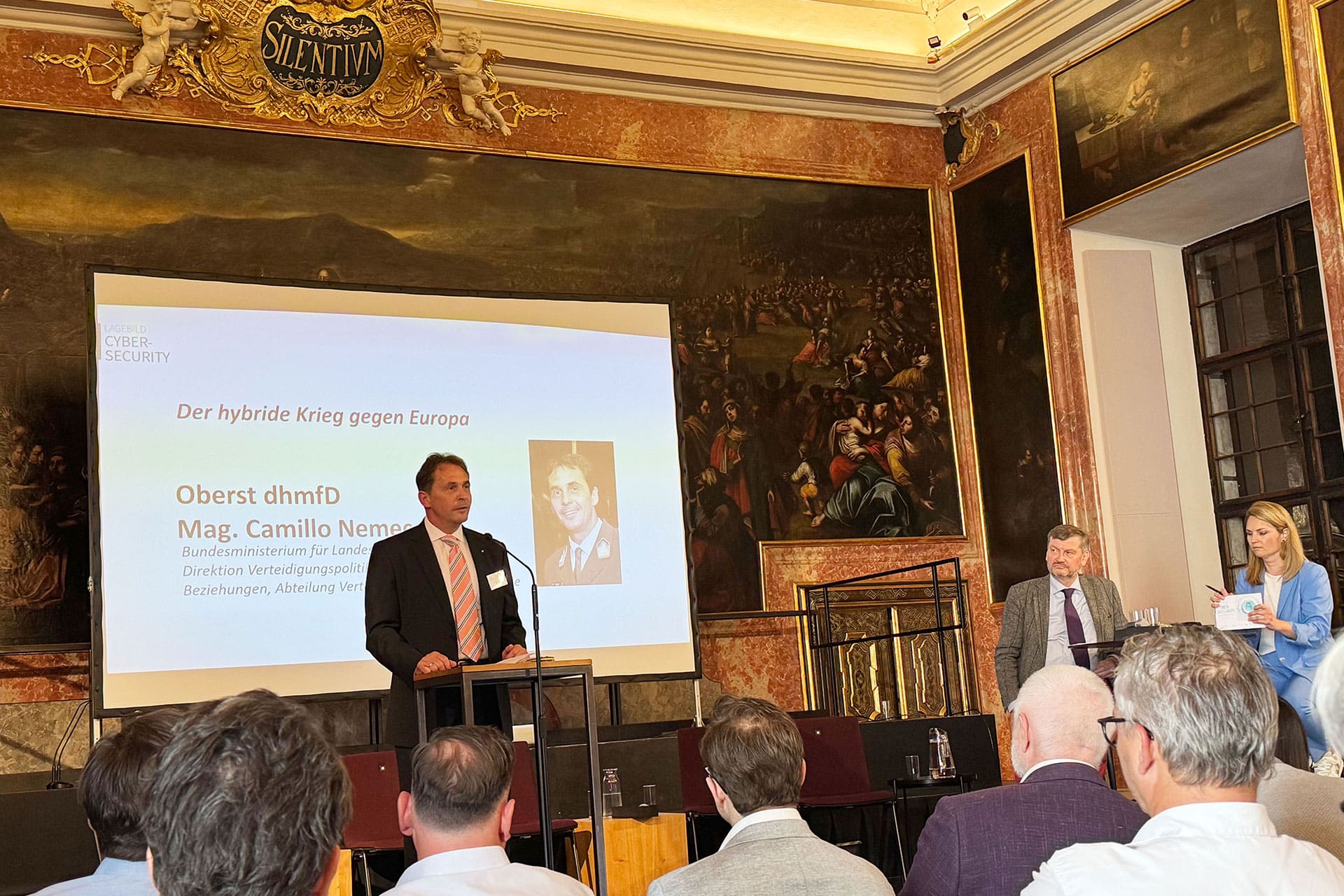
Eine geopolitische Einordnung lieferte Oberst Camillo Nemec vom Bundesministerium für Landesverteidigung. Unter dem Titel „Der hybride Krieg gegen Europa“ analysierte er die aktuellen internationalen Konfliktlagen und die zunehmende Bedeutung hybrider Bedrohungen. Neben klassischen militärischen Risiken rückten dabei Desinformation, Cyberangriffe, wirtschaftlicher Druck und gezielte Einflussnahme auf demokratische Systeme in den Fokus. Seine zentrale Botschaft: Europa muss seine Resilienz und Verteidigungsfähigkeit stärken, um in einer zunehmend konfrontativen Weltordnung bestehen zu können.
Wenn Störungen die medizinische Versorgung gefährden
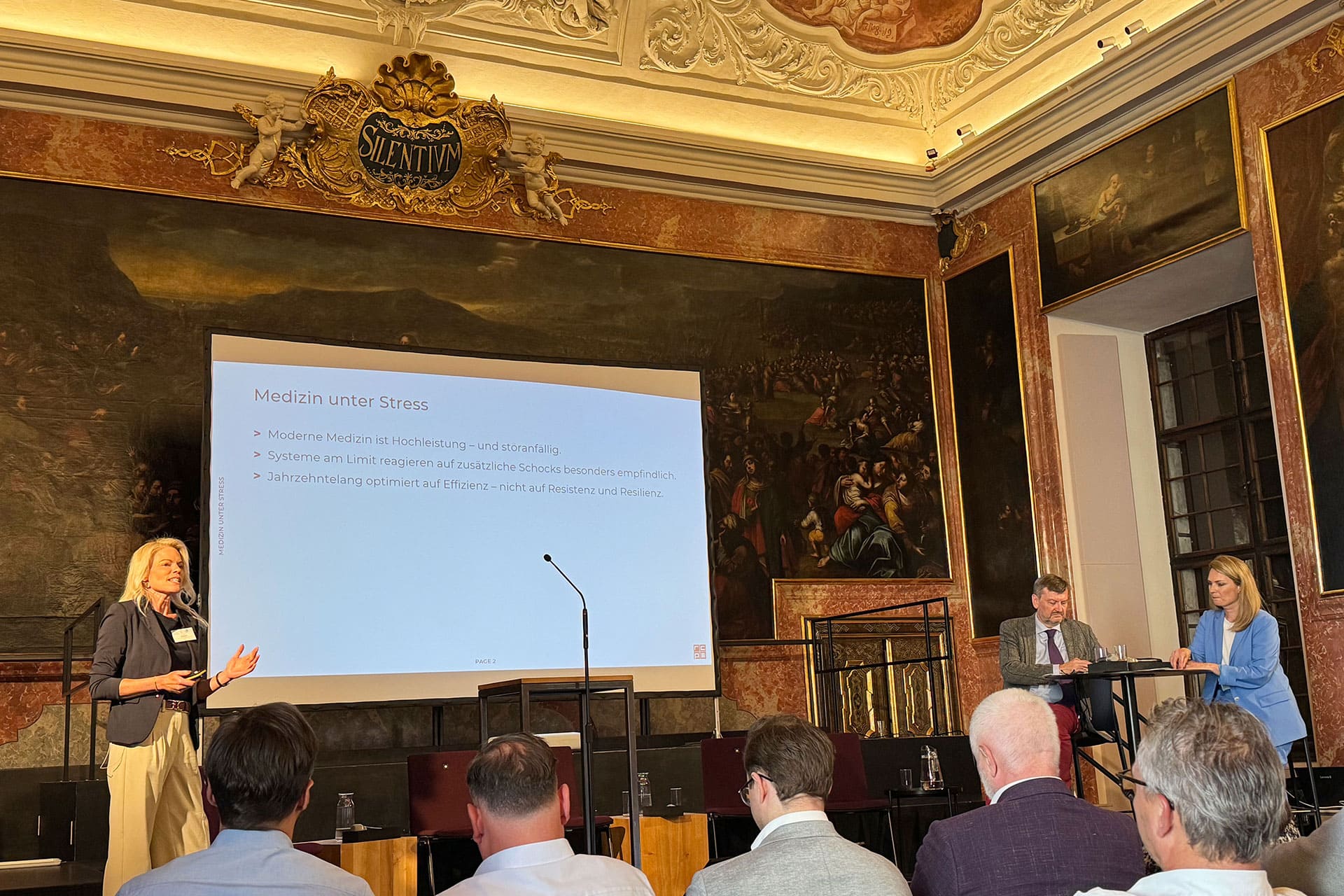
Welche Auswirkungen Sicherheitskrisen auf das Gesundheitswesen haben können, zeigte Caroline Schober vom Research Center Pharmaceutical Engineering (RCPE). Unter dem Titel „Medizin unter Stress: Wie viel Störung verträgt Versorgungssicherheit?“ verdeutlichte sie die hohe Abhängigkeit moderner Gesundheitssysteme von stabilen Lieferketten und funktionierenden Infrastrukturen. Bereits vergleichsweise kleine Störungen können weitreichende Folgen für die Versorgung mit Medikamenten und medizinischen Leistungen haben. Die Medikamentenversorgung wurde dabei als besonders sensibles Beispiel für die Verwundbarkeit komplexer Systeme dargestellt.
Diskussion: Security & Defence als Chance für die steirische Wirtschaft
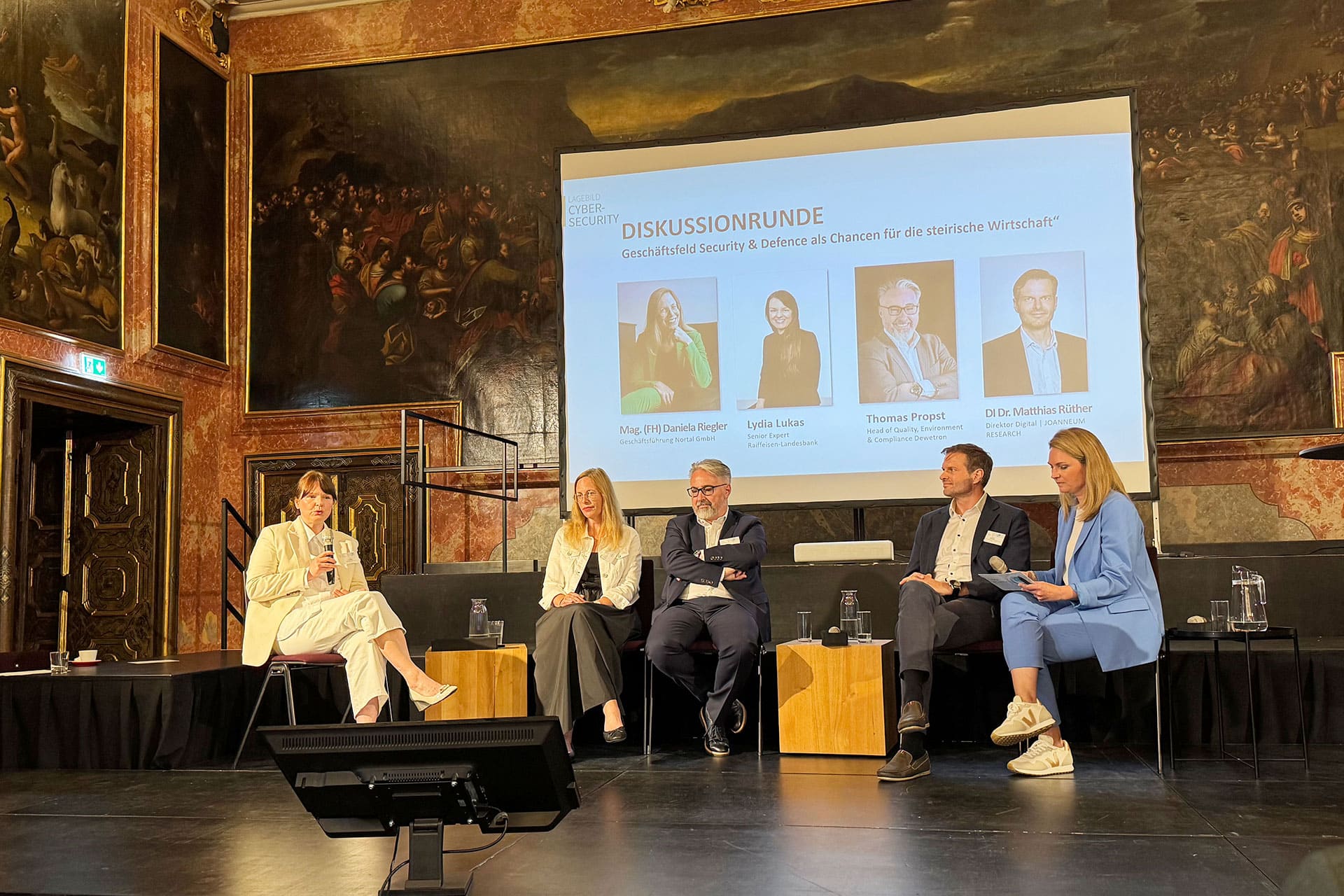
In der abschließenden Podiumsdiskussion „Geschäftsfeld Security & Defence als Chancen für die steirische Wirtschaft“ diskutierten unter der Moderation von Kathrin Ficzko (ORF), Matthias Rüther (JOANNEUM RESEARCH DIGITAL), Daniela Riegler (Nortal GmbH), Lydia Lukas (RLB Steiermark, Expertin für Geldwäsche- und Terrorismusfinanzierungsprävention) sowie Thomas Propst (Dewetron) über die wirtschaftlichen Potenziale eines wachsenden Security-&-Defence-Sektors. Die Diskussion spannte den Bogen von digitaler Resilienz und Cybersicherheit über regulatorische Anforderungen bis hin zu neuen Innovations- und Geschäftsmöglichkeiten für steirische Unternehmen. Dabei wurde deutlich, dass Sicherheit zunehmend zu einem strategischen Wettbewerbsfaktor für Wirtschaft und Gesellschaft wird.
Conclusions
Die Veranstaltung machte deutlich: Cybersecurity ist heute weit mehr als ein IT-Thema. Sie betrifft Wirtschaft, Forschung, Gesundheitswesen und staatliche Institutionen gleichermaßen. Die aktuelle Studie zeigt, dass technologische Entwicklungen, geopolitische Spannungen und neue regulatorische Anforderungen Unternehmen vor wachsende Herausforderungen stellen. Gleichzeitig wurde klar, dass Resilienz, Zusammenarbeit und Innovation entscheidende Voraussetzungen sind, um diesen Herausforderungen erfolgreich zu begegnen.
Präsentationen:
- KPMG KSÖ Studie Cybersecurity in Österreich 2026, Robert Lamprecht
- Sicherheitspolitik im Zeichen hybrider Bedrohungen, Gerald Hesztera
- Medizin unter Stress: Wie viel Störung verträgt Versorgungssicherheit?, Caroline Schober
- Wirtschaft als Teil der Sicherheitsvorsorge, Thomas Feßl
- Die JOANNEUM RESEARCH Sicherheitsaspekte der Geschäftsfelder „Sicherheit und Verteidigung“ und „Weltraum“, Matthias Rüther
Links:
KPMG Cybersecurity in Österreich 2026
Kompetenzzentrum Sicheres Österreich (KSÖ)
Nachbericht von Renate Buchgraber